
What Is Coffee Body? Understanding Light, Medium & Full-Bodied Coffee
When you taste coffee, you may notice that some cups feel light and delicate, while others feel rich, creamy, or heavy in your mouth.
This sensation is called coffee body.
Coffee body is an important part of the overall coffee experience. It works together with acidity, sweetness, aroma, flavor, and aftertaste to create the character of a coffee.
Understanding coffee body can also help you choose coffee that matches your personal taste.
What Is Coffee Body?
Coffee body describes the physical sensation and weight of coffee in your mouth.
It is not simply the strength of the coffee.
A coffee can be strong but have a relatively light body, or it can have a full body while tasting smooth and balanced.
When describing body, coffee professionals may use words such as:
-
Light
-
Medium
-
Full
-
Silky
-
Creamy
-
Smooth
-
Heavy
-
Syrupy
Think about the difference between drinking skim milk and full-fat milk.
The physical sensation is different even if you are not thinking about flavor.
Coffee body works in a similar way.
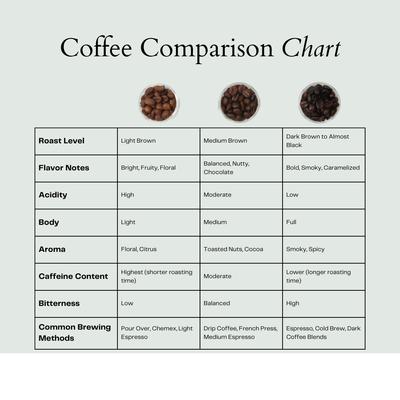
Light-Bodied Coffee
A light-bodied coffee usually feels delicate and clean in the mouth.
It may feel similar to tea or a light fruit juice.
Common characteristics
Light-bodied coffees can have:
-
Delicate texture
-
Bright acidity
-
Clean finish
-
Floral aromas
-
Citrus or fruit notes
Light body is often appreciated in coffees where delicate aromas and acidity are the main focus.
High-elevation Arabica coffees can sometimes express this style particularly well, although body ultimately depends on many factors.
Medium-Bodied Coffee
Medium-bodied coffee sits between light and full body.
It can provide a balance between texture, acidity, sweetness, and flavor.
Common characteristics
You may notice:
-
Smooth mouthfeel
-
Moderate weight
-
Balanced acidity
-
Pleasant sweetness
-
Chocolate or caramel notes
-
Moderate finish
Medium-bodied coffees are versatile and can work well across different brewing methods.
Full-Bodied Coffee
Full-bodied coffee feels heavier, richer, and more substantial in the mouth.
The sensation may remind you of:
-
Cream
-
Syrup
-
Dark chocolate
-
Thick fruit juice
Common characteristics
Full-bodied coffees can have:
-
Rich mouthfeel
-
Strong texture
-
Lower perceived acidity
-
Chocolate or caramel flavors
-
Long aftertaste
Full body is often desirable in espresso and coffees intended to be enjoyed with milk.
Is Coffee Body the Same as Coffee Strength?
No.
This is a common misunderstanding.
Coffee Strength
Strength generally refers to how concentrated the brewed coffee is.
Coffee Body
Body refers to the physical sensation and texture of the coffee in your mouth.
For example, you can brew a concentrated coffee that still has a relatively light mouthfeel.
Likewise, a coffee can have a rich body without being extremely strong.
Understanding this difference can help you communicate more accurately about coffee.
What Creates Coffee Body?
Coffee body is influenced by many factors.
These include:
-
Coffee variety
-
Origin
-
Processing method
-
Roast level
-
Grind size
-
Brewing method
-
Water
-
Extraction
There is no single factor that determines body.
Instead, body develops from the interaction between the coffee itself and the way it is prepared.
How Does Coffee Variety Affect Body?
Different coffee varieties can have different physical and chemical characteristics.
Arabica varieties such as Typica, Bourbon, Caturra, and Catimor can produce different cup profiles depending on where they are grown and how they are processed.
Some coffees may naturally produce a delicate and elegant body.
Others can provide a heavier and more rounded mouthfeel.
However, variety should always be considered together with origin and processing.
How Does Processing Affect Coffee Body?
Processing can influence the way body is perceived.
Washed Coffee
Washed coffees are often associated with:
-
Clean mouthfeel
-
Clear acidity
-
Defined flavors
-
Lighter or medium body
However, washed coffees can also have substantial body depending on the coffee and processing conditions.
Natural Coffee
Natural coffees can often have:
-
Fuller body
-
Higher perceived sweetness
-
Fruit-forward flavors
-
Syrupy texture
The fruit-drying process can contribute to a different sensory experience compared with washed coffee.
Honey Coffee
Honey-processed coffees can offer a balance between:
-
Sweetness
-
Acidity
-
Body
-
Fruit character
The exact result depends on how much mucilage remains and how the coffee is dried.
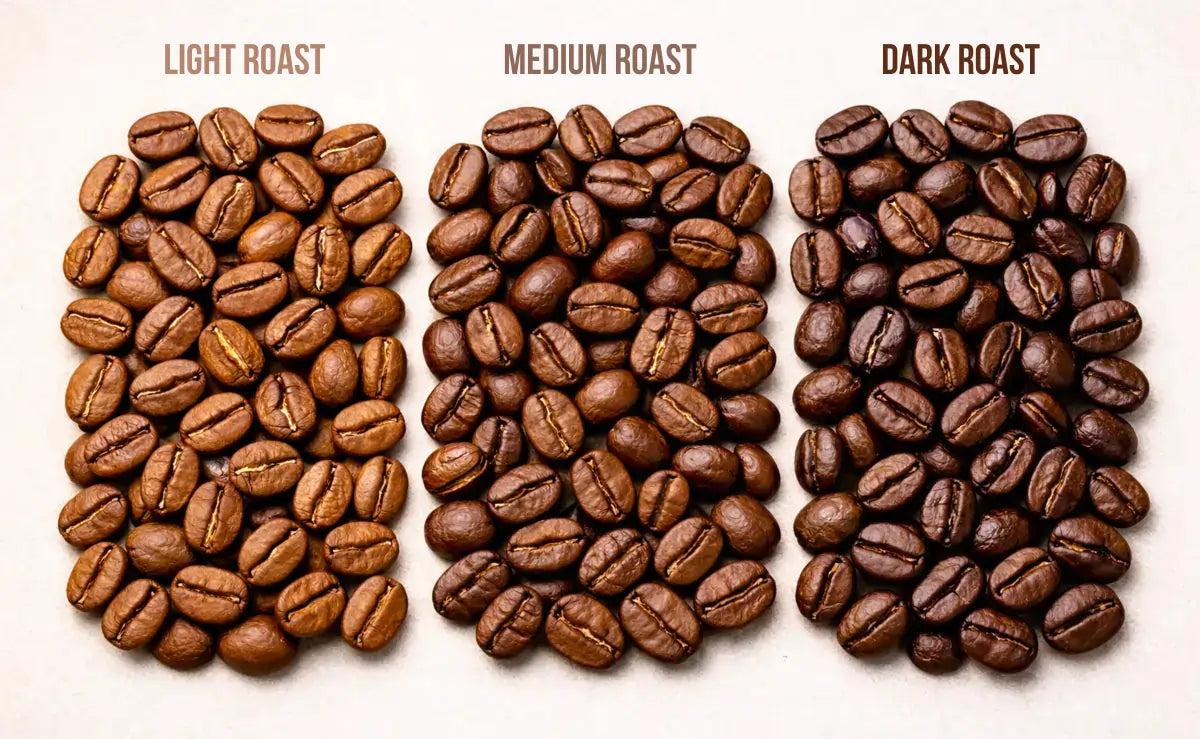
How Does Roast Level Affect Body?
Roasting can also change the perception of body.
Light Roast
Light roasts often emphasize:
-
Acidity
-
Floral aromas
-
Fruit characteristics
-
Origin character
They can sometimes feel lighter and more delicate.
Medium Roast
Medium roasting can create a balance between:
-
Acidity
-
Sweetness
-
Body
-
Caramelized flavors
Dark Roast
Dark roasting often emphasizes:
-
Body
-
Bitterness
-
Roasted flavors
-
Chocolate
-
Caramelized notes
As roast development increases, the perception of acidity may decrease while heavier roasted characteristics become more prominent.
How Does Brewing Affect Coffee Body?

Brewing method has a major influence on body.
Pour-Over
Paper-filtered pour-over coffee generally produces a clean cup with lighter body because the filter removes many oils and fine particles.
French Press
French Press uses a metal filter, allowing more coffee oils and fine particles to remain in the cup.
This often produces a fuller and heavier body.
Espresso
Espresso is highly concentrated and can provide a dense, rich mouthfeel with a strong body.
AeroPress
AeroPress can produce a wide range of body depending on the recipe, filter, grind size, and brewing technique.
Why Does Coffee Body Matter?
Body contributes to the overall balance of a coffee.
Imagine drinking a coffee with pleasant acidity and sweetness but almost no texture.
It may feel very light.
Now imagine a coffee with rich body, sweetness, acidity, and a long finish.
The experience can feel much more complete.
Body therefore works together with other sensory characteristics.
A balanced coffee may have:
Acidity + Sweetness + Body + Flavor + Aftertaste
No single characteristic needs to dominate.
How Can You Taste Coffee Body?
You can practice identifying body at home.
Take a sip of coffee and focus on the physical sensation rather than the flavor.
Ask yourself:
-
Does the coffee feel light or heavy?
-
Does it feel watery or creamy?
-
Does it coat your tongue?
-
Is the texture silky or thick?
-
How long does the sensation remain?
You can compare two coffees side by side.
For example, taste a light-bodied washed Arabica and a fuller-bodied natural coffee.
The difference can become much easier to recognize when the coffees are tasted together.
Coffee Body and Vietnamese Coffee
Vietnamese coffee is often associated with rich and full-bodied coffee, particularly traditional Robusta-based preparations.
However, Vietnamese coffee is much more diverse than that.
Highland Arabica from regions such as Da Lat and Cau Dat can offer lighter, cleaner, and more delicate profiles depending on the variety, processing method, roast, and brewing technique.
This diversity makes Vietnamese coffee particularly interesting to explore.
Coffee Body in Cau Dat Arabica
Cau Dat, in the Da Lat highlands, is known for Arabica production.
Cau Dat Arabica can show different body characteristics depending on:
-
Variety
-
Altitude
-
Processing
-
Roast level
-
Brewing method
A washed Arabica may highlight clarity and acidity, while a naturally processed coffee may emphasize sweetness and a fuller mouthfeel.
The same origin can therefore provide very different experiences.
How to Choose Coffee Based on Body
If you prefer delicate coffee, look for:
Light body + bright acidity + floral or fruity notes
If you prefer balanced coffee, consider:
Medium body + sweetness + moderate acidity
If you prefer rich coffee, look for:
Full body + chocolate or caramel + long finish
You can also adjust the brewing method.
For example:
-
Pour-over → cleaner and lighter
-
French Press → fuller and richer
-
Espresso → concentrated and dense
Final Thoughts
Coffee body is one of the characteristics that makes each coffee feel different in your mouth.
A coffee can be light and delicate, medium and balanced, or full and rich.
The body is influenced by the coffee variety, origin, processing method, roast level, and brewing technique.
Once you learn to recognize body, you can begin to understand coffee in a completely different way.
The next time you drink coffee, don't just ask:
“What does it taste like?”
Also ask:
“How does it feel?”
That simple question can help you discover a whole new side of coffee.
Explore Vietnamese Coffee with Cau Dat Bean
At Cau Dat Bean, we focus on selected Vietnamese coffee from the highlands of Da Lat, including Arabica from the Cau Dat growing region.
From delicate and bright coffees to richer and fuller profiles, different varieties, processing methods, and roast levels can create very different experiences.
Visit our showroom in Da Lat to explore Vietnamese coffee and find the coffee profile that suits your taste.
Cau Dat Bean Showroom
📍 82B Truong Cong Dinh Street, Da Lat, Lam Dong, Vietnam
📞 +84 926 915 849
Frequently Asked Questions
What does coffee body mean?
Coffee body describes the physical sensation or weight of coffee in your mouth. It can range from light and delicate to full and heavy.
Is coffee body the same as coffee strength?
No. Strength refers mainly to coffee concentration, while body describes mouthfeel and texture.
What coffee has the fullest body?
Full-bodied coffee can come from different origins and varieties. Natural processing, darker roasts, espresso, and brewing methods that retain more oils can often produce a fuller mouthfeel.
Is Arabica light-bodied?
Not always. Arabica can have light, medium, or full body depending on variety, origin, processing, roasting, and brewing.
Does dark roast have more body?
Dark roasting often increases the perception of body and roasted flavors, but brewing method and coffee characteristics also play important roles.
Which brewing method produces the most body?
French Press and espresso commonly produce a fuller mouthfeel, while paper-filtered pour-over generally produces a cleaner and lighter body.
How can I make my coffee feel fuller?
You can experiment with brewing methods that retain more coffee oils and fine particles, such as French Press. Adjusting the coffee-to-water ratio and extraction can also change the perception of body.


 Group4, Cau Dat Village, Xuan Truong commune, Da Lat City, Lam Dong Province, Vietnam
 +84 783 472 234
 caudatbean@gmail.com
  www.caudatbean.com