
Coffee Fermentation: How Time and Temperature Shape Coffee Processing
Coffee flavor begins developing long before the beans reach a roasting machine. After harvesting, coffee cherries go through several post-harvest stages that influence the final characteristics of the cup. One of the most important is fermentation.
Fermentation is a natural process involving microorganisms that break down substances in the coffee fruit, particularly the mucilage surrounding the beans. Although it is often associated with specialty coffee, fermentation is also part of many traditional coffee processing methods.
However, fermentation is not simply about leaving coffee to rest for a certain number of hours. Time, temperature, the amount of mucilage, water availability, and the surrounding environment can all influence how the process develops.
Understanding these factors helps coffee producers manage processing more carefully and maintain consistency between batches.
1. What Is Coffee Fermentation?
Coffee fermentation is a biological process in which microorganisms, including yeasts and bacteria, act on sugars and other compounds present in the coffee fruit and mucilage.
It commonly takes place after harvesting, either during wet processing or as part of natural and experimental processing methods.
During fermentation, microorganisms consume available nutrients and produce different compounds. These changes help break down mucilage and can influence the chemical environment surrounding the coffee beans.
Fermentation is important for two main reasons:
-
It helps remove mucilage during certain processing methods.
-
It can influence the chemical precursors associated with coffee aroma and flavor.
The result depends on the coffee variety, ripeness, processing conditions, and the way fermentation is managed.
2. Why Is Fermentation Important in Coffee Processing?
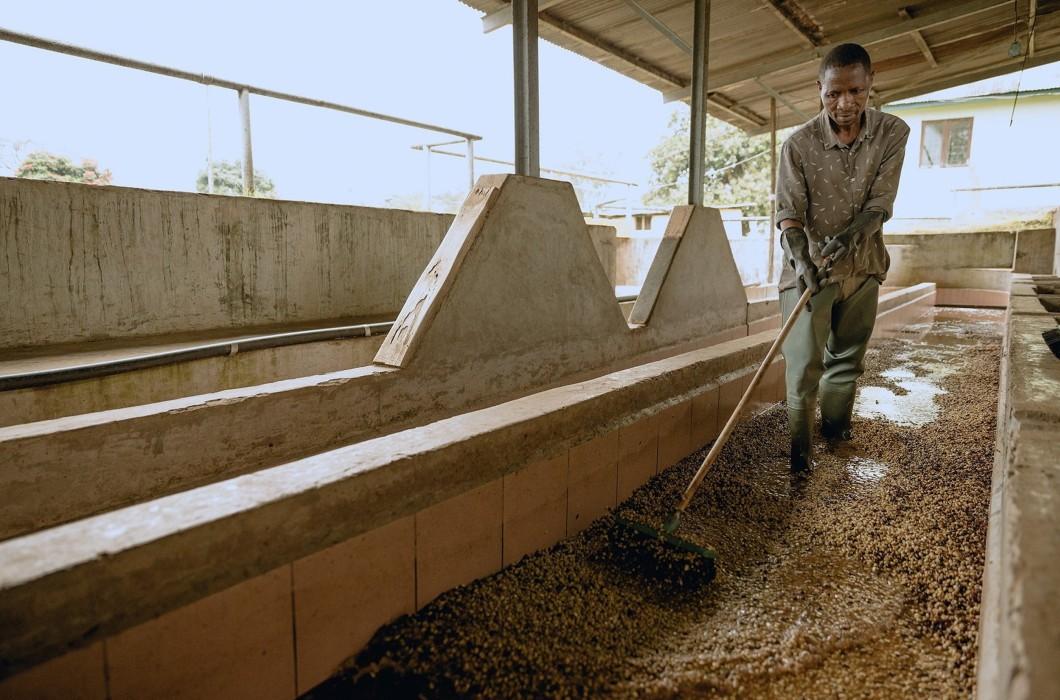
Fermentation plays a practical role in preparing coffee for the next processing stages.
In washed coffee production, fermentation is commonly used to loosen the mucilage that remains attached to parchment coffee after pulping. Once the mucilage has been sufficiently broken down, the coffee can be washed and moved to drying.
In other processing approaches, fermentation may occur while the coffee cherries remain intact or during specific stages of controlled processing.
Beyond its practical function, fermentation can influence the sensory characteristics of coffee.
Depending on the conditions, producers and roasters may observe differences in:
-
Acidity and perceived brightness.
-
Sweetness and flavor complexity.
-
Aroma intensity.
-
Fruit-like or fermented sensory notes.
-
Overall cup balance.
It is important to remember that fermentation does not automatically make coffee better. Poorly controlled fermentation can produce undesirable flavors and reduce consistency.
3. How Fermentation Time Affects Coffee
Time is one of the most important variables in coffee fermentation.
A short fermentation period may be sufficient to loosen mucilage in some washed coffee operations. Other processing methods may involve longer fermentation periods to achieve a particular processing objective.
There is no single fermentation duration that works for every coffee lot.
The appropriate time depends on several factors:
-
Ambient temperature.
-
Coffee cherry ripeness.
-
Processing method.
-
Microbial activity.
-
Water availability.
-
Tank design and batch size.
If fermentation is stopped too early during washed processing, some mucilage may remain attached to the parchment.
If fermentation continues for too long under unsuitable conditions, unwanted microbial activity may develop and negatively affect coffee quality.
For this reason, producers should monitor the condition of the coffee rather than relying entirely on a fixed number of hours.
4. The Role of Temperature in Coffee Fermentation
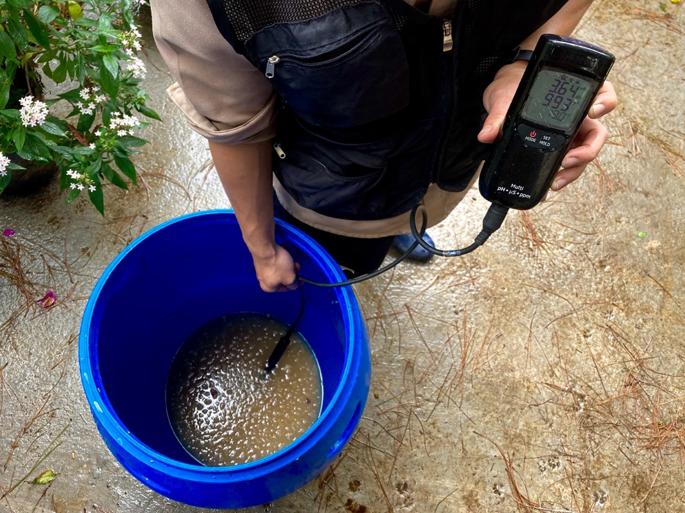
Temperature affects microbial activity and the speed at which fermentation develops.
In general, warmer conditions can accelerate microbial activity, while cooler conditions may slow the process.
This means that two batches of coffee fermented for the same amount of time may develop differently if they are exposed to different temperatures.
Temperature can influence:
-
The speed of mucilage breakdown.
-
The activity of different microorganisms.
-
The development of fermentation-related compounds.
-
The consistency of processing between batches.
For producers, monitoring temperature provides useful information about how fermentation is progressing.
It is also important to consider that the temperature inside a fermentation tank may differ from the surrounding air temperature, especially when processing larger batches.
5. Natural Fermentation vs. Controlled Fermentation
Coffee fermentation can occur naturally or under more carefully managed conditions.
Natural Fermentation
Natural fermentation relies on microorganisms already present on the coffee cherries, processing equipment, and surrounding environment.
This approach is common in traditional coffee processing.
Its advantages include relatively simple operation and fewer technical requirements. However, microbial activity can vary according to weather, hygiene, and the condition of the coffee cherries.
Controlled Fermentation
Controlled fermentation involves monitoring and managing selected conditions, such as temperature, time, oxygen availability, and sometimes the microorganisms involved.
Some producers also experiment with starter cultures to achieve more predictable fermentation behavior.
This approach can provide greater control over processing, but it requires suitable equipment, knowledge, sanitation, and consistent record-keeping.
Controlled fermentation does not guarantee superior coffee. Its success depends on whether the chosen conditions are appropriate for the coffee and the intended flavor profile.
6. Common Problems During Coffee Fermentation
Poor fermentation management can lead to inconsistent or undesirable results.
Over-fermentation
When fermentation continues beyond the desired stage, unwanted microbial activity may affect the coffee's sensory quality.
Uneven fermentation
Large batches, inconsistent mixing, or differences in temperature may cause parts of a lot to ferment differently.
Poor hygiene
Dirty tanks, equipment, or water can introduce unwanted microorganisms and increase the risk of contamination.
Uncontrolled temperature
Temperature fluctuations can change fermentation speed and make it difficult to reproduce the same results across batches.
Inconsistent cherry ripeness
Coffee cherries at different stages of maturity contain different amounts of sugars and other compounds. Mixing very different levels of ripeness can make fermentation less predictable.
Good harvesting, equipment sanitation, and process monitoring help reduce these risks.
7. How Coffee Producers Can Improve Fermentation Consistency
Consistency is essential when producing coffee for wholesale buyers and specialty markets.
Producers can improve fermentation management through several practical steps:
Select ripe coffee cherries
Harvesting cherries at an appropriate level of ripeness helps create a more uniform starting material.
Clean processing equipment
Fermentation tanks, pulpers, channels, and washing equipment should be cleaned regularly.
Monitor time and temperature
Record the starting time, finishing time, and temperature throughout the process whenever possible.
Observe the coffee during fermentation
Changes in mucilage condition, aroma, and other physical indicators can provide useful information about fermentation progress.
Keep separate batch records
Different varieties, harvest dates, and processing conditions should be recorded separately to make comparisons more meaningful.
Evaluate the finished coffee
Roasting and cupping samples can help producers understand how processing decisions influence the final cup.
8. Does Fermentation Determine Coffee Flavor?
Fermentation can influence coffee flavor, but it is only one part of a much larger process.
The final cup is shaped by several connected factors:
-
Coffee variety and genetics.
-
Growing altitude and climate.
-
Soil and farm management.
-
Cherry maturity at harvest.
-
Processing and fermentation conditions.
-
Drying and storage.
-
Roasting and brewing.
For example, two coffee lots from the same farm may taste different because they were harvested at different times or processed under different conditions.
Likewise, longer fermentation does not necessarily mean more sweetness, fruitiness, or complexity.
The goal should be to understand and manage fermentation so that it supports the natural characteristics of the coffee rather than overpowering them.
Conclusion: Better Fermentation Begins with Better Process Control
Coffee fermentation is an important stage between harvesting and drying. It supports mucilage removal in certain processing methods and can influence the characteristics of the final coffee.
Time, temperature, microbial activity, cherry maturity, and hygiene all contribute to how fermentation develops.
For coffee producers, the most effective approach is not to follow one fixed fermentation formula, but to monitor each batch and understand how local conditions affect the process.
Careful fermentation management helps protect coffee quality and supports more consistent results from harvest to harvest.
At Cầu Đất Bean, we believe that understanding every stage of coffee production is essential to appreciating the character of Vietnamese coffee.
Discover Vietnamese Coffee with Cầu Đất Bean
Explore Vietnamese Arabica and Robusta coffee from the highlands of Cầu Đất, Đà Lạt.
Cầu Đất Bean supplies green coffee beans and roasted coffee for roasters, cafés, distributors, and international buyers.
Contact our team to discuss available products, processing methods, specifications, and sample requests.
CẦU ĐẤT BEAN
-
Showroom: 82B Trương Công Định, Đà Lạt, Lâm Đồng, Vietnam
-
Email: caudatbean@gmail.com
-
Phone / WhatsApp: +84 926 915 849
-
Website: https://caudatcoffee.com.vn
Try before you buy.


 Group4, Cau Dat Village, Xuan Truong commune, Da Lat City, Lam Dong Province, Vietnam
 +84 783 472 234
 caudatbean@gmail.com
 www.caudatbean.com