
Cold Brew Coffee: How to Choose the Right Beans for a Smooth and Refreshing Cup
Cold brew coffee has become a popular choice for people who enjoy a smooth, refreshing coffee with a different character from traditional hot brewing.
Unlike iced coffee, which is usually brewed hot and then cooled with ice, cold brew is prepared by steeping ground coffee in cool or room-temperature water for an extended period.
This slower extraction process creates a different drinking experience and gives cafés more opportunities to develop refreshing coffee drinks for their menus.
However, not every coffee bean produces the same cold brew result. Origin, variety, processing method, roast level, grind size, and brewing time all influence the final cup.
So, what are the best coffee beans for cold brew?
In this guide, Cầu Đất Bean explores how to choose suitable coffee, prepare a balanced cold brew, and find the right profile for your café or coffee business.
1. What Makes Cold Brew Different from Iced Coffee?
Cold brew and iced coffee are often confused, but they are prepared differently.
Cold brew is made by steeping ground coffee in cool or room-temperature water for several hours. The coffee is then filtered before serving.
Iced coffee is generally brewed using hot water and served over ice or chilled before serving.
The difference in brewing temperature and extraction conditions influences the final taste.
Cold brew is often described as:
-
Smooth and easy to drink.
-
Less sharp in perceived acidity, depending on the coffee and recipe.
-
Rich in body when prepared with a concentrated ratio.
-
Suitable for serving over ice or combining with milk.
-
Convenient for preparing batches in advance.
These characteristics are not guaranteed by cold brewing alone. The coffee itself, water quality, grind size, and brewing recipe all play important roles.
2. Which Coffee Beans Are Best for Cold Brew?
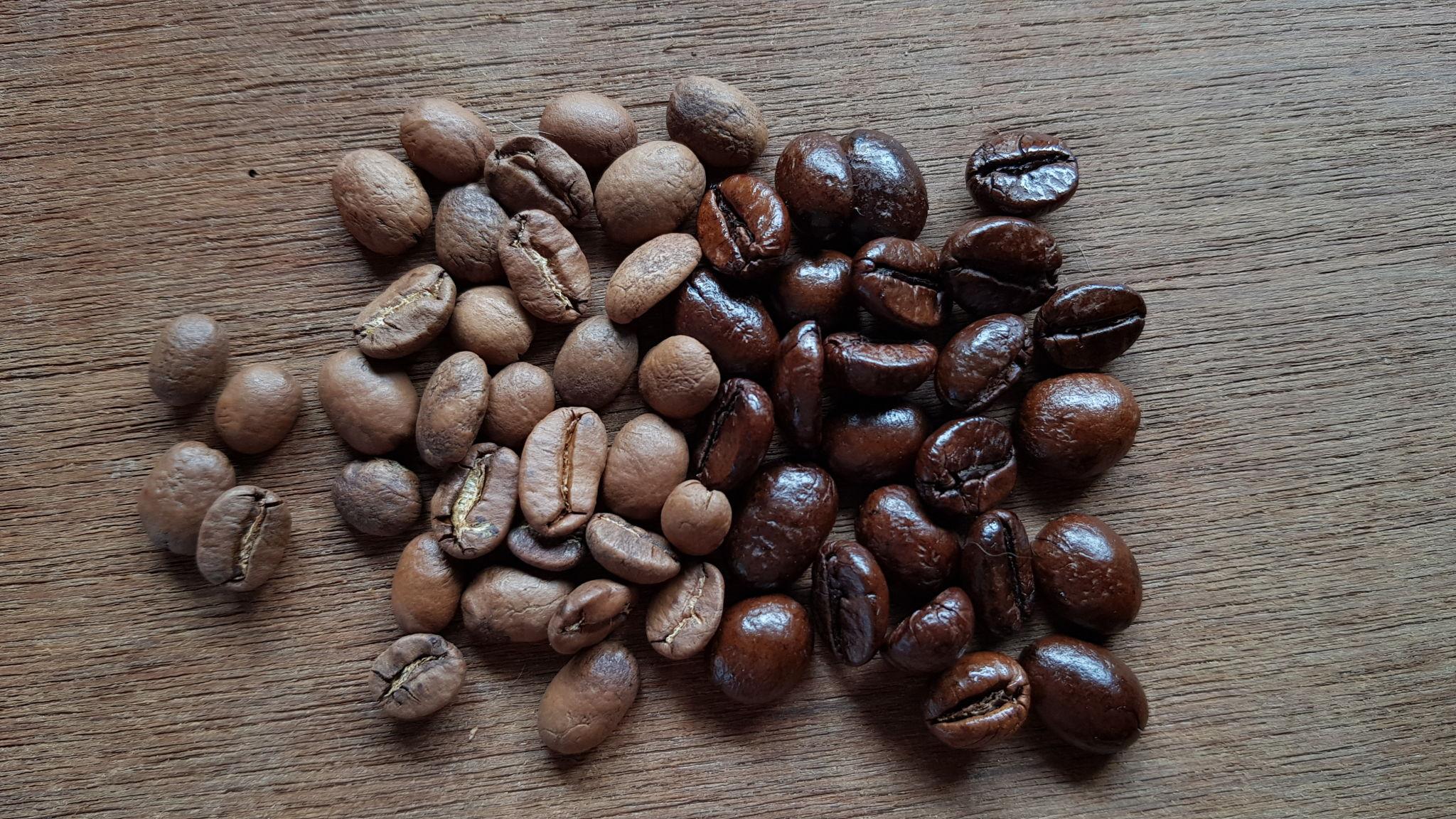
The best beans depend on the flavor profile you want to create.
Different coffee species and origins can produce very different results when steeped in cold water.
Arabica for Cold Brew
Arabica is a good starting point for cold brew when you want a more aromatic and expressive cup.
Depending on the origin, variety, and processing method, Arabica may offer:
-
Chocolate and caramel notes.
-
Floral or fruity aromas.
-
Gentle sweetness.
-
A balanced and clean finish.
High-altitude Arabica from Cầu Đất, Đà Lạt, can be an interesting option for cold brew, especially when the coffee has a suitable roast profile.
For cafés that want to highlight Vietnamese coffee origin, single-origin Arabica can also become an attractive part of a cold brew menu.
Robusta for Cold Brew
Robusta can be suitable for cold brew when the goal is a stronger and fuller-bodied drink.
Depending on quality and processing, Robusta may contribute:
-
Strong coffee intensity.
-
Pronounced roasted and cocoa-like notes.
-
Fuller body.
-
A bold flavor that remains noticeable when served with ice or milk.
High-quality Robusta is important. Poorly processed beans or unsuitable roasting can produce harsh or undesirable flavors, even with a long cold extraction.
Arabica and Robusta Blends
Blending Arabica and Robusta provides another option for cafés.
Arabica can contribute aroma and sweetness, while Robusta can add body and intensity.
The ideal ratio depends on the individual beans and the intended drink.
A blend designed for black cold brew may be different from one intended for cold brew with milk or condensed milk.
3. How Roast Level Affects Cold Brew Flavor
Roast level changes the flavor characteristics of coffee and influences how the beans perform during extraction.
Light Roast
Light-roasted coffee can preserve more origin-related characteristics.
Depending on the coffee, cold brew made with a light roast may offer:
-
Floral aromas.
-
Fruity characteristics.
-
Brighter flavor impressions.
-
A lighter body.
This style may appeal to customers who enjoy exploring specialty coffee.
Medium Roast
Medium roast is a versatile starting point for cold brew.
It can offer a balance of sweetness, body, aroma, and roast character.
For cafés developing a regular cold brew product, medium-roasted coffee is often worth testing because it can work across different serving styles.
Dark Roast
Dark-roasted coffee generally produces more pronounced roasted, cocoa-like, smoky, or bitter characteristics.
It may suit customers who prefer a bold coffee flavor.
However, darker roasting does not automatically make better cold brew. The coffee should still be evaluated for balance, sweetness, and aftertaste.
The best approach is to test different roast levels using the same brewing recipe and compare the results.
4. What Grind Size Should You Use for Cold Brew?
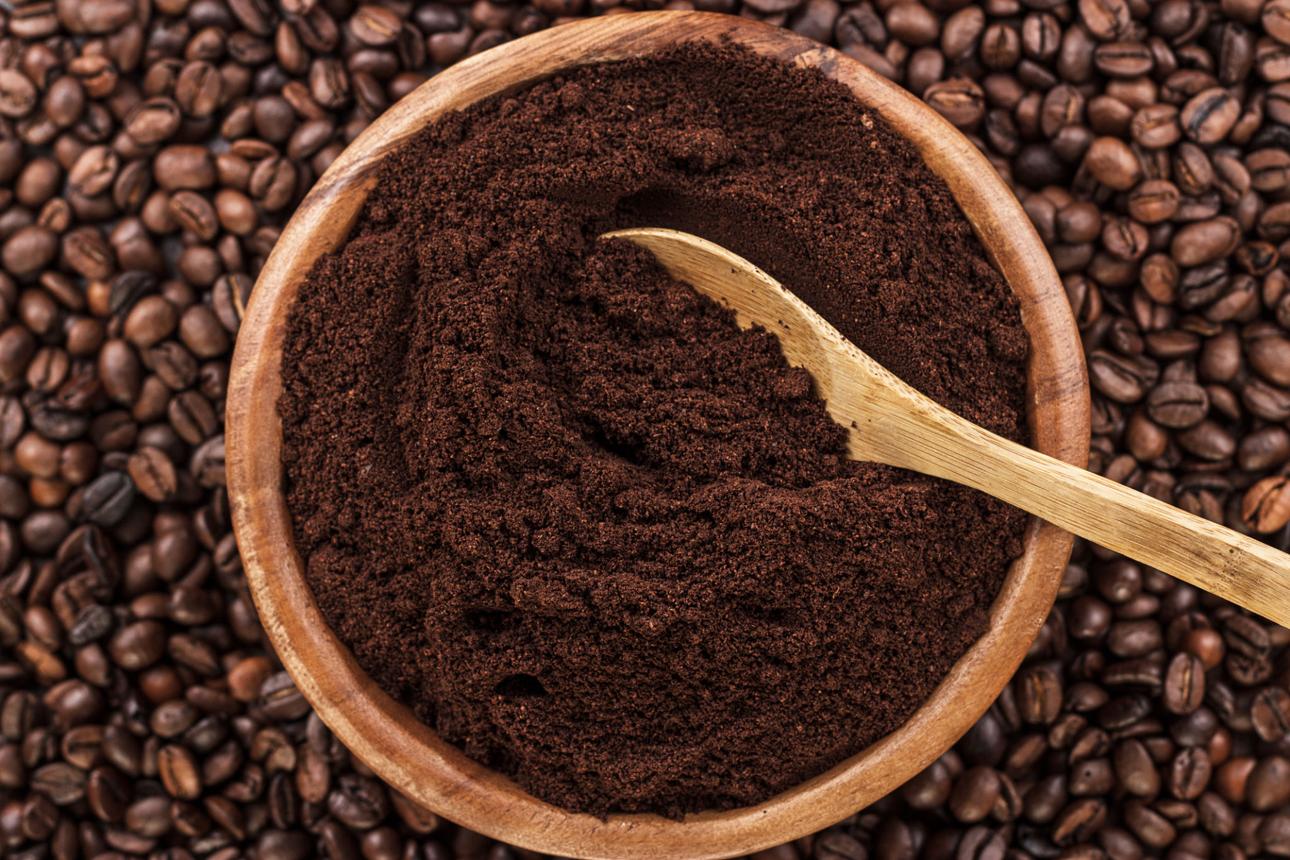
Grind size is an important part of cold brew preparation.
A coarse grind is commonly used because cold brew involves a longer steeping period.
Compared with a fine grind, coarse particles can make filtration easier and help reduce excessive extraction under many brewing conditions.
However, grind size should not be selected in isolation.
If the coffee tastes weak or underdeveloped, you may need to adjust the grind, brewing time, or coffee-to-water ratio.
If the drink tastes excessively bitter, harsh, or muddy, check whether the grind is too fine, the steeping time is too long, or filtration is inadequate.
For consistent results:
-
Use a reliable grinder.
-
Keep grind size as uniform as possible.
-
Avoid mixing very different particle sizes.
-
Record your grind setting for each coffee.
-
Adjust gradually rather than changing several variables at once.
A consistent grind makes it easier to reproduce the same cold brew recipe.
5. What Is the Best Coffee-to-Water Ratio for Cold Brew?
The coffee-to-water ratio determines how concentrated your cold brew will be.
There is no single recipe for every coffee or serving style, but a practical starting point for ready-to-drink cold brew is approximately:
1:12 to 1:15
This means using one part coffee to twelve to fifteen parts water by weight.
For example:
| Coffee | Water |
|---|---|
| 50 g | 600–750 ml |
| 100 g | 1.2–1.5 litres |
| 200 g | 2.4–3 litres |
| 500 g | 6–7.5 litres |
These are starting ratios, not fixed standards.
If you want a stronger concentrate for dilution with water, milk, or ice, you may choose a more concentrated recipe.
The important point is to measure ingredients by weight and keep the recipe consistent.
6. How Long Should You Steep Cold Brew Coffee?
Cold brew generally requires several hours of contact between coffee grounds and water.
A practical starting range is around 12–18 hours, although the ideal duration depends on the coffee, grind size, water temperature, and brewing ratio.
Shorter steeping may produce a lighter cup, while longer steeping can increase extraction.
However, longer does not always mean better.
If extraction continues beyond the desired balance, the coffee may develop an overly heavy, bitter, or less pleasant taste.
For better consistency:
-
Use the same coffee-to-water ratio.
-
Keep the brewing temperature consistent.
-
Record the starting and finishing times.
-
Filter the coffee thoroughly.
-
Taste the result before adjusting the next batch.
If you are developing a new cold brew product, compare several steeping times while keeping the other variables unchanged.
7. How to Make Cold Brew Coffee at Home or in a Café
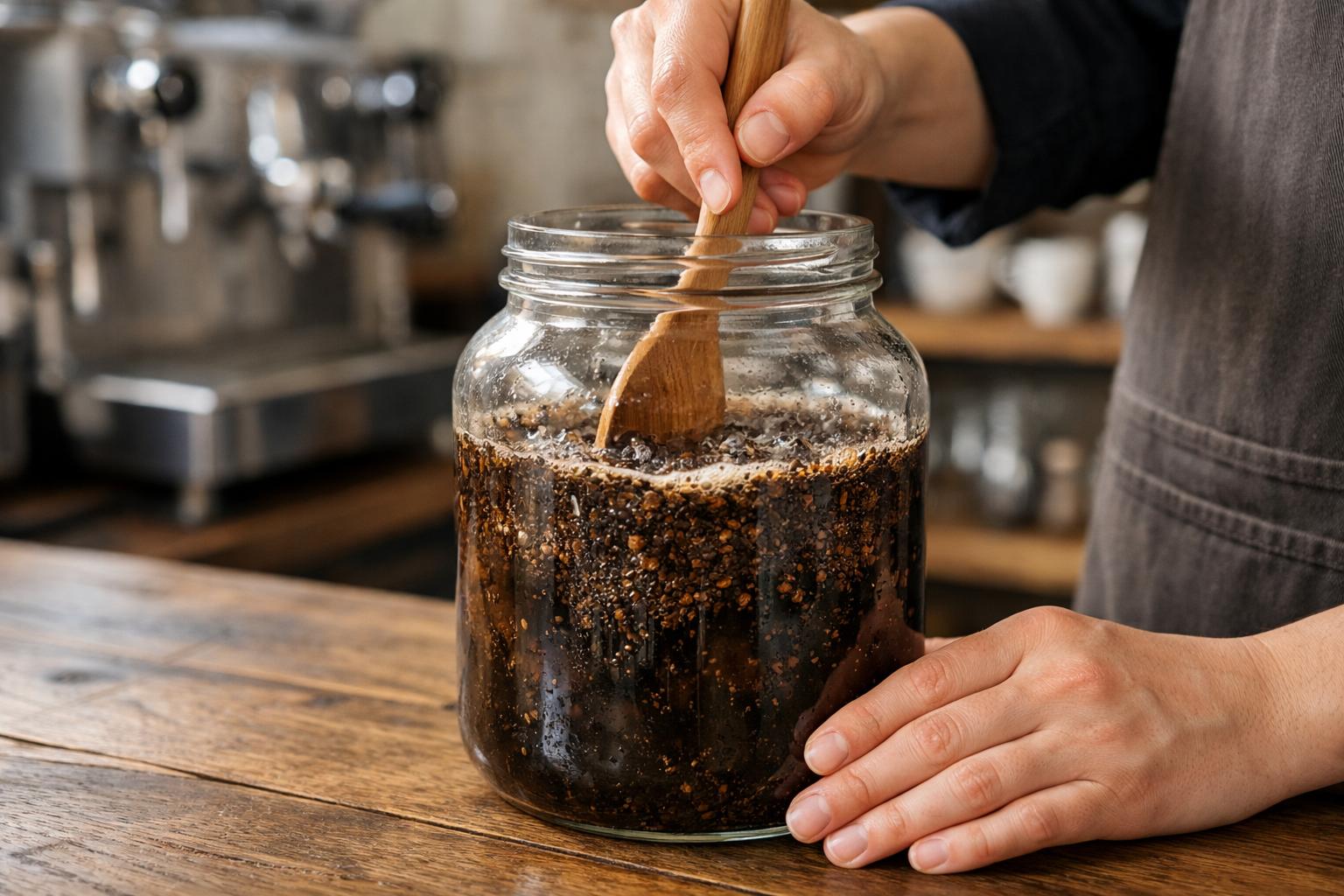
Cold brew does not require complicated equipment to get started.
You can prepare a small batch using a container, ground coffee, water, and a suitable filter.
Step 1: Select Your Coffee
Choose an Arabica, Robusta, or blend based on the flavor profile you want.
For a balanced first attempt, try a medium-roasted coffee.
Step 2: Grind the Beans
Grind the coffee to a coarse consistency.
Use freshly ground coffee whenever possible to preserve its aroma.
Step 3: Measure Coffee and Water
Start with a ratio of 1:12 to 1:15 for a ready-to-drink recipe.
Weigh both ingredients rather than estimating by volume.
Step 4: Combine and Steep
Add the coffee and water to a clean container.
Make sure the grounds are fully saturated and leave the mixture to steep for approximately 12–18 hours under controlled conditions.
Step 5: Filter the Coffee
Separate the liquid from the coffee grounds using a suitable filter.
For a cleaner result, you may filter the liquid a second time if necessary.
Step 6: Serve and Evaluate
Serve over ice or dilute according to your recipe.
Taste the cold brew and evaluate its aroma, sweetness, body, bitterness, and aftertaste.
Record the recipe so you can reproduce the result.
8. How Cafés Can Develop a Cold Brew Menu
Cold brew offers cafés an opportunity to introduce different drinks without completely changing their coffee selection.
A basic cold brew can become the foundation for several menu options.
Classic Black Cold Brew
A simple combination of cold brew and ice.
This option allows customers to appreciate the natural coffee characteristics without additional ingredients.
Cold Brew with Milk
Adding milk creates a smoother and creamier drink.
The coffee should have enough body and intensity to remain noticeable after the milk is added.
Cold Brew with Condensed Milk
For cafés serving Vietnamese-style drinks, condensed milk can create a familiar sweet and creamy profile.
A stronger coffee base may be useful to maintain balance.
Signature Cold Brew
Cafés can experiment with citrus, fruit, tea, or other ingredients to create signature drinks.
However, start with a simple recipe and make sure the coffee remains the main feature rather than being overwhelmed by additional flavors.
9. Common Cold Brew Mistakes to Avoid
Even though cold brew is relatively simple to prepare, several mistakes can affect the final result.
Using unsuitable coffee
Not every coffee works equally well for every cold brew recipe. Test different origins and roast levels before choosing a regular product.
Grinding too finely
Very fine coffee can make filtration difficult and may contribute to a muddy or overly extracted result.
Using inconsistent measurements
Changing the coffee-to-water ratio between batches makes it difficult to maintain a consistent flavor.
Steeping for too long without testing
Longer extraction does not automatically improve flavor. Test different steeping durations and choose the one that produces the best balance.
Poor filtration
Coffee particles left in the drink can affect clarity and mouthfeel.
Improper storage
Cold brew should be handled hygienically, kept refrigerated, and stored in clean, covered containers. Follow appropriate food-safety practices and establish a suitable shelf life for your operation rather than assuming it will remain safe indefinitely.
10. Why Coffee Selection Matters for Wholesale Cold Brew Production
For cafés, distributors, and businesses producing cold brew in larger quantities, selecting the right coffee is only the first step.
The coffee must also be available consistently and perform reliably across production batches.
Before placing a wholesale order, consider:
-
Origin and coffee variety.
-
Processing method.
-
Green coffee specifications, when buying unroasted beans.
-
Roast profile and batch consistency.
-
Sample availability.
-
Supply capacity and minimum order quantity.
-
Suitability for your intended cold brew recipe.
If you roast your own coffee, test samples before purchasing larger quantities.
If you purchase roasted coffee, evaluate the finished product using your actual cold brew recipe.
This helps ensure that the selected coffee works for both flavor development and business requirements.
Conclusion: The Right Beans Make Better Cold Brew
Cold brew is more than coffee served cold. It is a different brewing approach that allows coffee's characteristics to be experienced in a new way.
Arabica can offer aromatic complexity, Robusta can contribute stronger body, and blends can combine different characteristics to create a customized profile.
Roast level, grind size, brewing ratio, steeping time, and storage also influence the final result.
For coffee lovers, experimenting with different beans can make cold brew more enjoyable.
For cafés and wholesale buyers, choosing the right coffee is an opportunity to develop a consistent product that customers want to return to.
At Cầu Đất Bean, we believe that good coffee begins with selecting the right beans for the right purpose.
Discover Vietnamese Coffee with Cầu Đất Bean
Looking for Vietnamese Arabica, Robusta, or coffee blends for your café, roastery, or cold brew production?
Cầu Đất Bean supplies green coffee beans and roasted coffee for cafés, roasters, distributors, and international buyers.
Contact our team to discuss available origins, processing methods, specifications, and sample requests.
CẦU ĐẤT BEAN
-
Showroom: 82B Trương Công Định, Phường Xuân Hương, Đà Lạt, Lâm Đồng, Vietnam
-
Email: caudatbean@gmail.com
-
Phone / WhatsApp: +84 926 915 849
-
Website: https://caudatcoffee.com.vn
Try before you buy.


 Group4, Cau Dat Village, Xuan Truong commune, Da Lat City, Lam Dong Province, Vietnam
 +84 783 472 234
 caudatbean@gmail.com
 www.caudatbean.com