
How to Calculate Coffee Cost Per Cup: A Practical Guide for Café Owners
Running a successful café is not only about serving great coffee. It is also about understanding how much each drink costs to make and how to price it sustainably.
Coffee beans are one of the main ingredients in many café drinks. Even a small difference in the amount of coffee used per serving can affect daily expenses, especially for businesses selling dozens or hundreds of cups every day.
So, how much does the coffee in one cup actually cost?
In this guide, Cầu Đất Bean explains how to calculate coffee cost per cup, estimate daily coffee expenses, account for waste, and manage ingredient costs without compromising drink quality.
1. What Is Coffee Cost Per Cup?
Coffee cost per cup is the amount of money spent on coffee beans to prepare one serving.
It is one part of a drink's total ingredient cost, also known as the cost of goods sold (COGS).
For example, if a café purchases coffee beans at VND 300,000 per kilogram and uses 18 grams for one espresso-based drink, the coffee ingredient cost is VND 5,400 per serving.
This calculation helps café owners:
-
Compare the cost of different coffee beans.
-
Estimate the ingredient expenses of each menu item.
-
Set more appropriate selling prices.
-
Monitor coffee consumption.
-
Identify unnecessary waste.
Remember that coffee cost per cup is not the same as the total cost of a drink. Milk, sugar, syrup, cups, lids, and other ingredients must be calculated separately.
2. Calculate the Coffee Cost Per Gram
The first step is to convert the wholesale price into a cost per gram.
Formula:
Coffee cost per gram = Price per kilogram ÷ 1,000
For example, if your coffee costs VND 300,000 per kilogram:
300,000 ÷ 1,000 = VND 300 per gram.
Once you know the cost per gram, you can calculate the coffee cost for any recipe.
3. Calculate Coffee Cost Per Serving
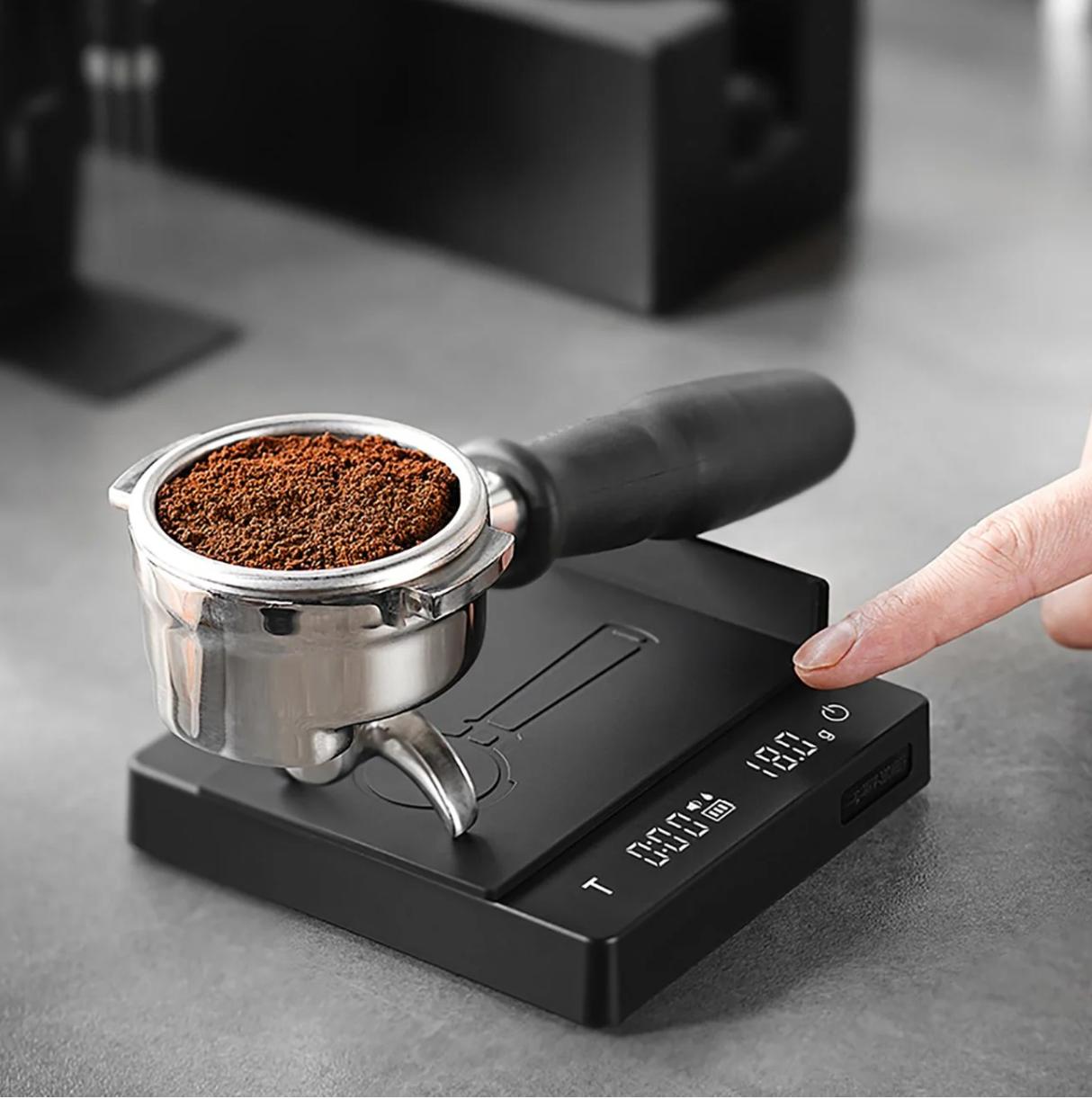
The next step is to identify how many grams of coffee your recipe uses.
Formula:
Coffee cost per serving = Coffee cost per gram × Coffee dose in grams
Here is an example using three different coffee doses.
| Coffee dose | Cost per gram | Coffee cost per cup |
|---|---|---|
| 15g | 300 VND | 4,500 VND |
| 18g | 300 VND | 5,400 VND |
| 20g | 300 VND | 6,000 VND |
As you can see, increasing the coffee dose increases the ingredient cost of every serving.
However, reducing the dose simply to save money is not always a good solution. The recipe must still deliver the flavor, strength, and quality your customers expect.
4. Compare Different Coffee Prices
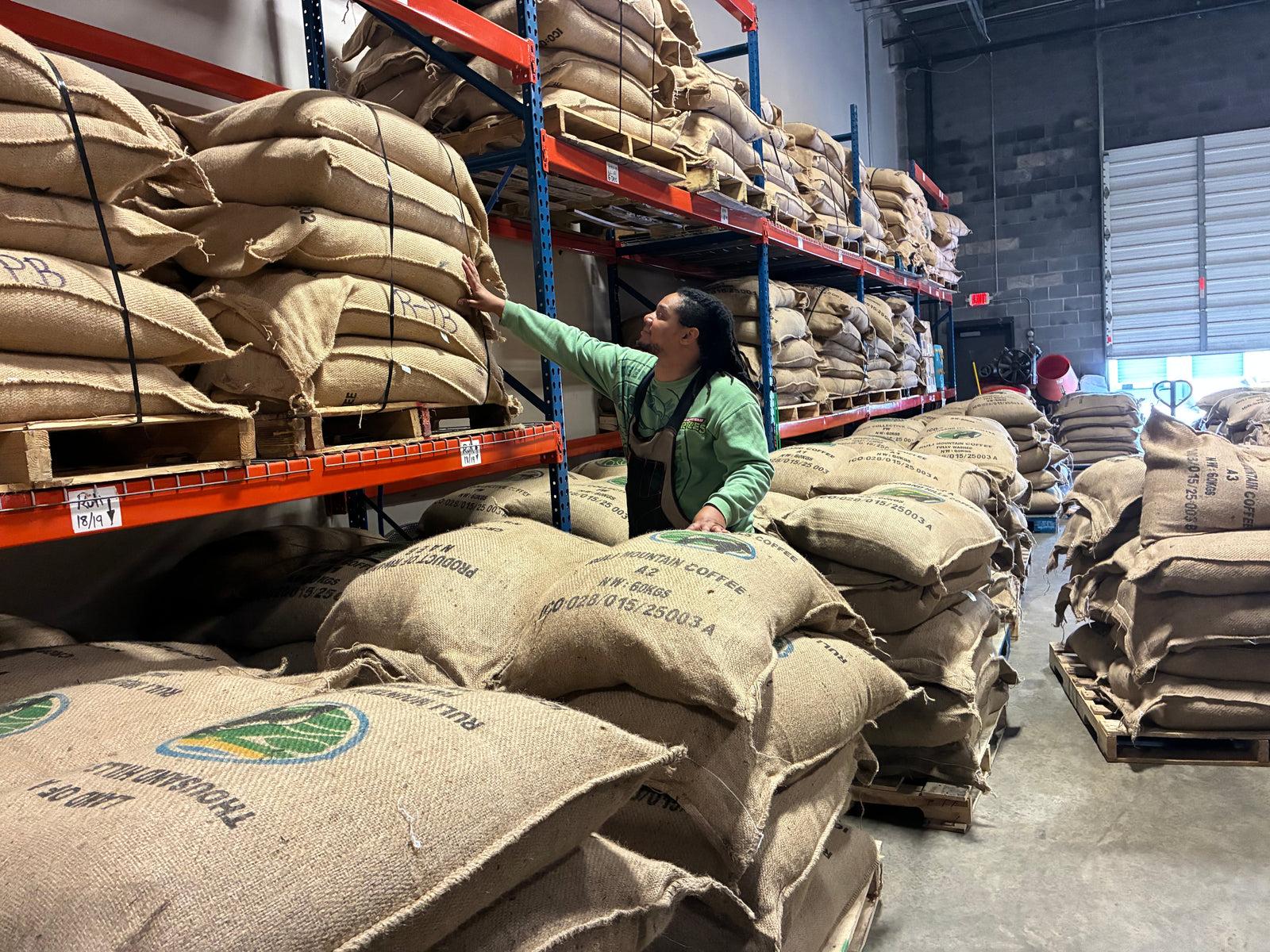
Cafés often consider several coffee options before choosing a regular supplier.
The following example shows how the purchase price affects the cost per serving when using an 18-gram recipe.
| Coffee price per kg | Cost per gram | Cost per 18g serving |
|---|---|---|
| 200,000 VND | 200 VND | 3,600 VND |
| 250,000 VND | 250 VND | 4,500 VND |
| 300,000 VND | 300 VND | 5,400 VND |
| 350,000 VND | 350 VND | 6,300 VND |
| 400,000 VND | 400 VND | 7,200 VND |
This comparison helps café owners understand the financial difference between coffee options.
But the lowest purchase price does not automatically mean the best value.
A coffee should also be evaluated based on flavor, quality, consistency, and how well it performs in your actual menu recipes.
5. Calculate Daily and Monthly Coffee Consumption
Once you know the coffee cost per serving, you can estimate how much coffee your café needs.
For example, assume your café sells 100 drinks per day, and each drink uses an average of 18 grams of coffee.
Daily consumption:
100 drinks × 18g = 1,800g, or 1.8kg per day.
Monthly consumption:
1.8kg × 30 days = 54kg per month.
If the coffee costs VND 300,000 per kilogram:
54kg × 300,000 = VND 16,200,000 per month.
This estimate gives you a starting point for planning inventory and wholesale orders.
Actual consumption may vary depending on the menu mix, opening days, recipe adjustments, and coffee waste.
6. Remember to Account for Coffee Waste
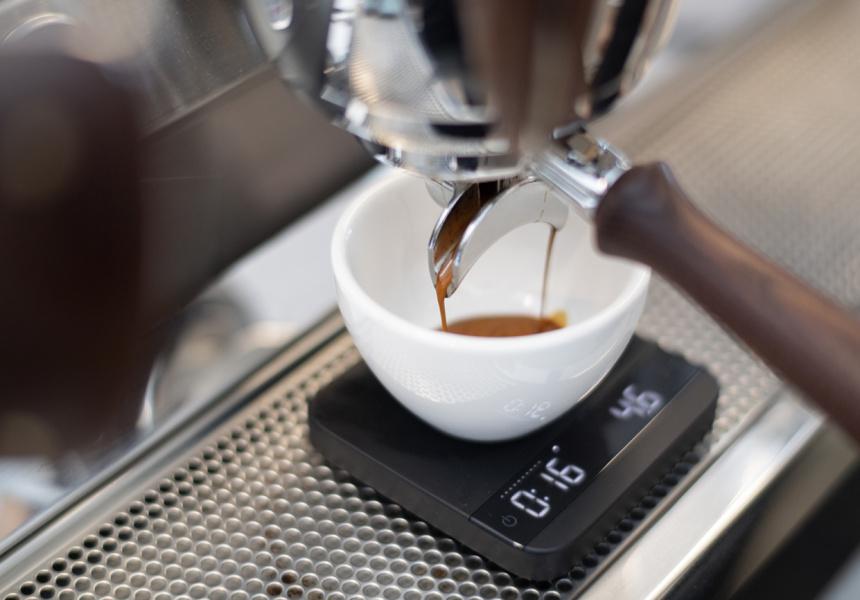
The amount of coffee purchased is not always equal to the amount served to customers.
Some coffee may be used during:
-
Espresso machine dialing-in and calibration.
-
Recipe testing and staff training.
-
Incorrect extraction or preparation.
-
Spilled coffee or accidental over-dosing.
-
Product testing and quality checks.
For example, if your café uses 54kg of coffee for planned sales and estimates an additional 5% for waste:
54kg × 5% = 2.7kg.
Your estimated monthly requirement becomes 56.7kg.
Tracking actual consumption helps you understand whether the waste level is reasonable and where improvements can be made.
7. Calculate the Total Ingredient Cost of a Coffee Drink
Coffee beans are only one part of the recipe.
For a milk-based drink, you should also include milk, sugar, syrup, and other ingredients.
Consider this simplified example:
| Ingredient | Estimated cost |
|---|---|
| Coffee (18g) | 5,400 VND |
| Milk | 4,000 VND |
| Syrup or sugar | 1,000 VND |
| Cup, lid, and other packaging | 1,500 VND |
| Total ingredient and packaging cost | 11,900 VND |
If the drink sells for VND 39,000:
39,000 − 11,900 = VND 27,100.
This is the amount remaining after the listed ingredient and packaging costs.
It is not net profit. The café still needs to cover labor, rent, utilities, equipment, taxes, payment fees, and other operating expenses.
8. Understand Coffee Cost Percentage
Another useful measurement is the coffee cost percentage.
It shows how much of the selling price is spent on coffee beans alone.
Formula:
Coffee cost percentage = Coffee cost per serving ÷ Selling price × 100
For example:
-
Coffee cost per serving: VND 5,400.
-
Selling price: VND 39,000.
5,400 ÷ 39,000 × 100 = approximately 13.85%.
This means the coffee beans account for about 13.85% of the selling price.
You can also calculate the total ingredient cost percentage by including milk, sugar, and other recipe ingredients.
Tracking these figures helps café owners understand their menu economics and compare different drinks more accurately.
9. How to Control Coffee Costs Without Reducing Quality
Managing coffee expenses does not necessarily mean buying cheaper beans or using less coffee.
A more effective approach is to improve consistency and reduce unnecessary waste.
Standardize Every Recipe
Create a clear recipe for each drink, including the coffee dose, brewing parameters, milk quantity, and serving size.
This helps every barista prepare drinks consistently.
Calibrate Equipment Regularly
Grinders and espresso machines may require adjustments as coffee ages or environmental conditions change.
Regular calibration helps reduce failed shots and unnecessary coffee consumption.
Monitor Daily Coffee Usage
Record how much coffee is used each day and compare it with the number of drinks sold.
Large differences may indicate over-dosing, excessive testing, or preparation waste.
Choose Coffee That Matches Your Menu
Different coffee profiles suit different drinks.
A café specializing in Vietnamese iced milk coffee may prioritize body and intensity, while a specialty coffee shop may focus more on aroma and origin characteristics.
Choose coffee based on the actual experience you want to deliver.
Work with a Reliable Supplier
Consistent coffee quality makes recipe management easier.
A reliable supplier should provide clear product specifications, communicate changes, and support your business with suitable coffee options.
10. A Simple Coffee Cost Checklist for Café Owners
Before setting or reviewing your menu prices, check the following:
-
Know the purchase price per kilogram.
-
Record the coffee dose for each recipe.
-
Calculate the coffee cost per serving.
-
Include milk, sugar, syrup, and packaging costs.
-
Estimate daily and monthly coffee consumption.
-
Track waste and recipe adjustments.
-
Review selling prices and operating expenses regularly.
These simple habits can help your café make better purchasing decisions and maintain more predictable operating costs.
Conclusion: Better Cost Control Starts with Understanding Your Coffee
Knowing the cost of coffee per cup is an important part of running a sustainable café.
By calculating the price per gram, standardizing recipes, monitoring consumption, and accounting for waste, café owners can better understand their expenses and make informed decisions.
However, cost management should never come at the expense of customer experience.
The right coffee is not necessarily the cheapest one. It is the coffee that delivers the quality your customers expect while supporting your business goals.
Find the Right Coffee for Your Café with Cầu Đất Bean
At Cầu Đất Bean, we offer Vietnamese coffee options from highland growing regions, including Cầu Đất Arabica, Robusta, and coffee blends for different brewing preferences and business needs.
Whether you are opening a new café, managing an existing coffee shop, or sourcing beans for wholesale, our team can help you explore suitable options.
Share your preferred flavor profile, brewing method, and expected order volume with us.
Try before you buy.
CAU DAT BEAN
-
Showroom: 82B Trương Công Định, Phường Xuân Hương, Đà Lạt, Lâm Đồng, Vietnam
-
Phone / WhatsApp: +84 926 915 849
-
Email: caudatbean@gmail.com
-
Website: https://caudatcoffee.com.vn
Contact us to discuss coffee options for your café or wholesale requirements.


 Group4, Cau Dat Village, Xuan Truong commune, Da Lat City, Lam Dong Province, Vietnam
 +84 783 472 234
 caudatbean@gmail.com
 www.caudatbean.com