
Why Even Coffee Drying Matters: How Drying Practices Protect Bean Quality
Coffee quality is shaped by many factors, from the variety of the coffee plant and growing conditions to harvesting, processing, and roasting. However, one important stage that deserves careful attention is drying.
After coffee cherries are harvested and processed, the beans still contain a significant amount of moisture. This moisture must be reduced to a suitable level before the coffee can be stored, transported, or prepared for export.
Drying is not simply about leaving coffee under the sun until it feels dry. It is a controlled process that requires attention to time, temperature, airflow, humidity, and the condition of the beans.
At Cầu Đất Bean, we recognize that careful post-harvest handling plays an important role in protecting the characteristics of Vietnamese coffee. In this article, we explore why coffee drying matters, how different drying methods work, and what producers should consider to maintain quality.
1. Why Is Drying Important in Coffee Processing?
Freshly harvested coffee cherries contain a high amount of water. Even after pulping or other processing steps, the coffee beans retain moisture that must be reduced before storage.
If coffee is stored while it contains too much moisture, unwanted fermentation, mold growth, and quality deterioration may occur.
On the other hand, drying coffee too quickly or unevenly can also create problems. The outer layer may become dry while moisture remains inside the bean, potentially affecting stability during storage.
Proper drying helps to:
-
Reduce moisture to a suitable level for storage.
-
Minimize the risk of mold and unwanted microbial activity.
-
Support more stable green coffee quality.
-
Protect the coffee's natural aroma and flavor characteristics.
-
Prepare beans for hulling, grading, packaging, and transportation.
Drying is therefore an essential step between processing and the preparation of green coffee for the market.
2. What Is the Ideal Moisture Content for Green Coffee?
Moisture content is one of the important specifications used when evaluating green coffee.
For many commercial and specialty coffee operations, green coffee is commonly dried to approximately 10–12% moisture content. The appropriate target may vary depending on the applicable standard, storage conditions, and buyer requirements.
Moisture that remains too high can increase the risk of deterioration during storage. Excessively dry coffee may become more fragile and more susceptible to physical damage during handling.
However, moisture percentage alone does not tell the whole story. Two coffee lots with similar moisture readings may behave differently if one has been dried unevenly or has not had sufficient time to stabilize.
For this reason, producers should consider both the final moisture level and the consistency of the drying process.
3. Common Coffee Drying Methods
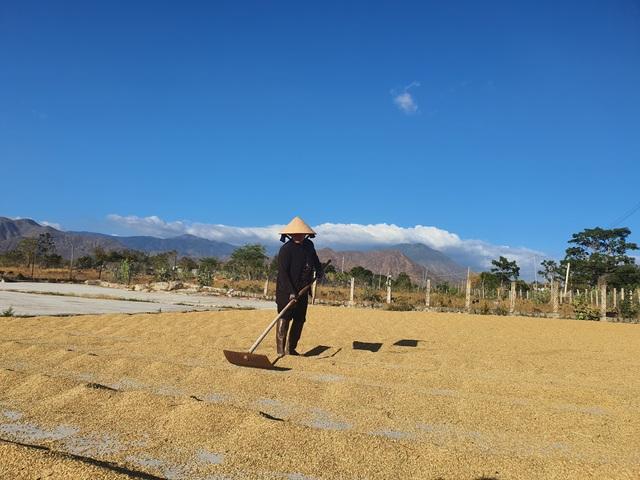
Coffee can be dried using different methods depending on the processing style, available equipment, climate, and production scale.
Sun Drying
Sun drying is a traditional method widely used in coffee-producing regions.
Coffee is spread across patios, raised beds, or other suitable drying surfaces. Farmers turn the coffee regularly to promote more even drying and reduce the risk of excessive moisture in certain areas.
Advantages include:
-
Relatively low equipment requirements.
-
Use of natural sunlight and airflow.
-
Flexibility for small and medium-sized farms.
-
The ability to manage coffee in separate lots.
However, sun drying depends heavily on weather conditions. Rainfall, high humidity, and limited sunlight can extend drying time and make moisture management more difficult.
Raised-Bed Drying
Raised beds allow coffee to dry above the ground, improving airflow around the beans or cherries.
This method can help reduce direct contact with soil and improve the ability to turn and monitor coffee during drying.
Raised beds are particularly useful for producers who want greater control over small lots or specialty coffee batches.
Nevertheless, producers still need to monitor weather conditions, bed loading, and airflow to prevent uneven drying.
Mechanical Drying

Mechanical dryers use controlled heat and airflow to remove moisture from coffee.
They can be useful during rainy periods, when drying space is limited, or when producers need to process larger volumes consistently.
Mechanical drying offers several practical advantages:
-
More control over drying conditions.
-
Less dependence on sunlight.
-
Greater capacity for larger production volumes.
-
The possibility of maintaining a more predictable drying schedule.
However, temperature and airflow must be managed carefully. Excessive heat or poorly controlled drying conditions may negatively affect bean quality.
In some operations, mechanical drying is combined with sun drying to balance efficiency and quality.
4. Why Even Drying Is More Important Than Fast Drying
One common mistake in coffee processing is focusing only on how quickly the beans can be dried.
Although reducing drying time can help improve production efficiency, speed should not come at the expense of consistency.
When coffee dries unevenly, individual beans may retain different levels of moisture. Some may become too dry while others remain too wet.
This variation can create challenges during storage and roasting.
For example, coffee with inconsistent moisture levels may respond less uniformly during roasting. Differences in bean structure and moisture can influence how heat moves through the beans.
To support more even drying, producers should:
-
Spread coffee in manageable layers.
-
Turn the coffee regularly.
-
Avoid overcrowding drying surfaces.
-
Maintain adequate airflow.
-
Protect coffee from unexpected rain and excessive humidity.
-
Check moisture levels throughout the process.
A consistent drying process is more valuable than simply achieving a low moisture reading in the shortest possible time.
5. Common Problems During Coffee Drying
Several problems can occur when drying conditions are not properly managed.
Excessive Moisture
Coffee that remains too wet may be vulnerable to mold growth and unwanted fermentation, particularly when stored in unsuitable conditions.
Uneven Drying
Uneven exposure to sunlight and airflow can cause different moisture levels within the same batch.
Excessive Heat
High temperatures may cause coffee to dry too quickly on the outside, potentially affecting the internal moisture distribution.
Rain and High Humidity
Unexpected rainfall or humid weather can interrupt drying and increase the time required to reach the target moisture level.
Poor Drying-Surface Hygiene
Dirty drying surfaces and inadequate handling practices can introduce unwanted contaminants.
These issues highlight the importance of monitoring the entire drying process rather than checking only the final appearance of the beans.
6. How to Monitor Coffee Drying Quality

Coffee producers can improve drying consistency by combining visual inspection, regular handling, and moisture measurement.
Use a reliable moisture meter
A calibrated moisture meter helps producers monitor moisture levels and determine when coffee is approaching the desired range.
Check different areas of the batch
Moisture should not be measured from only one location. Sampling different areas can help identify uneven drying.
Record drying conditions
Keeping records of drying dates, weather conditions, turning frequency, and moisture readings helps producers understand how each batch behaves.
Allow appropriate stabilization
After drying, coffee may benefit from a stabilization period before final storage or further processing. This helps moisture distribution become more consistent throughout the lot.
Maintain clean handling practices
Clean equipment, drying surfaces, and storage areas help reduce contamination risks during post-harvest processing.
7. Does Drying Affect the Final Coffee Flavor?
Drying is not the only factor responsible for coffee flavor, but it can influence how well the coffee's quality is preserved.
Coffee flavor is affected by variety, growing conditions, cherry maturity, processing method, fermentation, drying, storage, and roasting.
When drying is poorly controlled, the resulting coffee may develop unwanted characteristics or lose some of its desirable qualities.
For example, improper drying and storage conditions may contribute to musty or mold-like notes. Inconsistent moisture may also make roasting more challenging.
By contrast, careful drying helps preserve the characteristics developed during cultivation and processing.
For buyers and roasters, understanding the drying process provides useful information about how a coffee lot was handled before reaching the roastery.
8. Why Drying Matters to Coffee Buyers and Roasters
For wholesale buyers, coffee drying is an important part of evaluating the reliability of a supplier.
A green coffee specification sheet may include information such as origin, variety, processing method, screen size, moisture content, and defect levels.
However, these figures should be considered alongside physical inspection and sample evaluation.
Buyers may want to ask suppliers:
-
What drying method was used?
-
How was moisture content measured?
-
Was the coffee dried in separate batches?
-
How was the coffee stabilized and stored after drying?
-
Are samples available for physical inspection and roasting tests?
These questions help buyers understand more than the basic specifications of a coffee lot.
At the same time, roasters can use drying and moisture information to better understand the coffee before developing a roast profile.
Conclusion: Better Coffee Begins with Careful Post-Harvest Handling
Coffee drying is a critical stage in the journey from harvested cherries to green coffee beans.
The objective is not simply to remove water, but to achieve a suitable and consistent moisture level while protecting the quality of the beans.
Whether coffee is dried under the sun, on raised beds, or with mechanical equipment, careful monitoring remains essential.
From the farm to the roastery, every stage contributes to the final coffee experience. Understanding the drying process helps producers protect their harvest and helps buyers make more informed sourcing decisions.
At Cầu Đất Bean, we believe that good coffee begins with attention to detail at every stage of production.
Discover Vietnamese Coffee with Cầu Đất Bean
Explore Vietnamese Arabica and Robusta coffee from the highlands of Cầu Đất, Đà Lạt.
Cầu Đất Bean supplies green coffee beans and roasted coffee for roasters, cafés, distributors, and international buyers.
Contact our team to discuss available products, processing methods, specifications, and sample requests.
CẦU ĐẤT BEAN
-
Showroom: 82B Trương Công Định, Đà Lạt, Lâm Đồng, Vietnam
-
Email: caudatbean@gmail.com
-
Phone / WhatsApp: +84 926 915 849
-
Website: https://caudatcoffee.com.vn
Try before you buy.


 Group4, Cau Dat Village, Xuan Truong commune, Da Lat City, Lam Dong Province, Vietnam
 +84 783 472 234
 caudatbean@gmail.com
 www.caudatbean.com