
How to Read a Green Coffee Spec Sheet: A Simple Guide for Coffee Buyers
Buying green coffee is very different from buying roasted coffee.
When you buy roasted beans, you can look at the color, smell the aroma, taste the coffee, and evaluate the final cup.
But when you are sourcing green coffee, the first thing you often see is a specification sheet.
It may contain terms such as:
Origin | Variety | Process | Screen Size | Moisture | Defects | Grade
For experienced coffee buyers, these specifications provide important information.
For someone new to green coffee sourcing, they can look confusing.
So, what do they actually mean?
Let's take a closer look.
What Is a Green Coffee Spec Sheet?
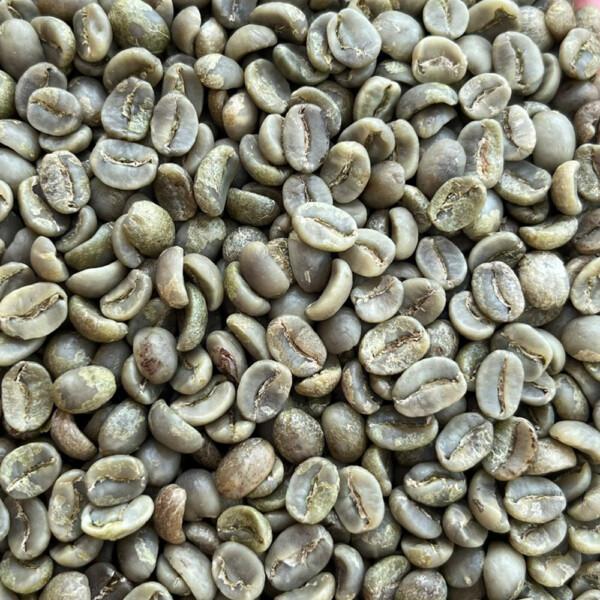
A green coffee specification sheet is a summary of the physical and commercial characteristics of a coffee lot.
It helps buyers understand what they are purchasing before ordering samples or larger quantities.
A typical green coffee specification may include:
-
Origin
-
Species
-
Variety
-
Processing method
-
Screen size
-
Moisture content
-
Defect information
-
Harvest information
-
Packaging
-
Quantity
-
Certifications, when applicable
For importers, roasters, and coffee businesses, these details are important because they help determine whether a coffee is suitable for a particular market or roasting program.
1. Origin: Where Was the Coffee Grown?
Origin is one of the first things buyers look at.
For example:
Cau Dat, Da Lat, Lam Dong, Vietnam
This tells the buyer where the coffee was produced.
Origin can provide clues about the coffee's environmental conditions, farming traditions, varieties, and typical cup characteristics.
However, origin alone does not determine quality.
Two coffees from the same region can taste completely different because of differences in variety, farm, harvest, processing, drying, and roasting.
That is why a good specification sheet should be viewed together with a sample and cupping information.
2. Species: Arabica or Robusta?
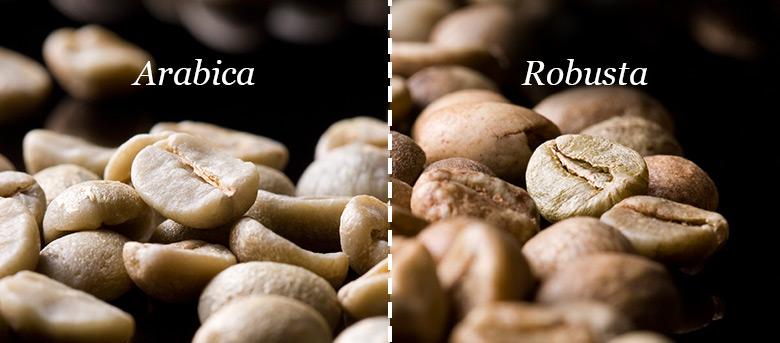
The next important specification is the coffee species.
The two most commercially important species are:
Arabica
Arabica is often associated with:
-
Higher aromatic complexity
-
Brighter acidity
-
Floral characteristics
-
Fruit notes
-
Greater cup differentiation
Robusta
Robusta is often associated with:
-
Strong body
-
Higher caffeine
-
Cocoa and chocolate characteristics
-
Greater intensity
-
Strong performance in espresso blends
Vietnam is especially interesting because it produces both.
While Vietnam is globally famous for Robusta, highland areas such as Cau Dat are also known for Arabica production.
3. Variety: What Coffee Plant Is It?
Species tells you whether the coffee is Arabica or Robusta.
Variety tells you more specifically which type of plant produced the coffee.
Examples of Arabica varieties include:
-
Typica
-
Bourbon
-
Catimor
-
Moka
-
Yellow Bourbon
Different varieties can have different characteristics in the field and in the cup.
For example, Typica is a historic Arabica variety often associated with elegant and clean cup profiles.
Bourbon is known for its potential sweetness and complex flavor.
Catimor is particularly important in Vietnam because it is well adapted to local growing conditions.
Cau Dat Bean works with several Vietnamese Arabica varieties, including Catimor, Typica and Bourbon, depending on the coffee lot and availability.
4. Processing: Washed, Honey or Natural?
Processing describes what happens to the coffee cherry after harvesting.
The three common methods are:
Washed
The fruit is removed from the coffee seed before drying.
Washed coffees are often associated with:
-
Clean flavors
-
Clear acidity
-
Bright aromatics
-
Greater transparency of origin
Honey
Some of the sticky mucilage remains on the coffee during drying.
Honey processing can produce:
-
Greater sweetness
-
Fuller body
-
Fruit characteristics
-
A balance between washed and natural styles
Natural
The entire coffee cherry is dried before the fruit is removed.
Natural coffees can offer:
-
Strong fruit aromas
-
Fuller body
-
Pronounced sweetness
-
Berry-like or fermented characteristics
Cau Dat Bean offers Arabica lots using washed, honey, and natural processing depending on the product and sourcing program.
5. Screen Size: How Large Are the Beans?
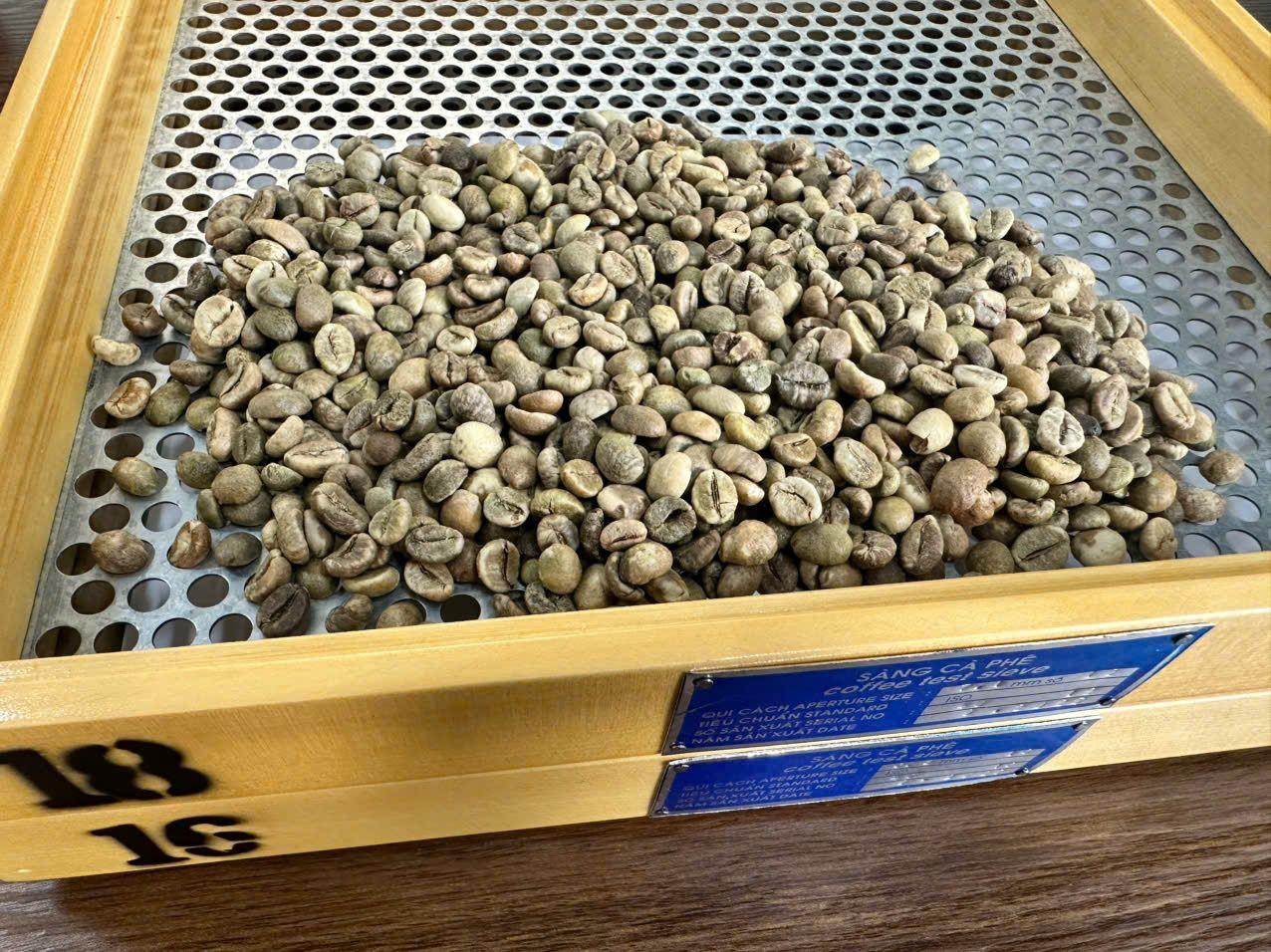
Screen size is a physical measurement used to classify coffee beans by size.
You may see specifications such as:
Screen 16
or
Screen 18
A higher screen number generally indicates a larger bean size.
For example:
-
Screen 16 → approximately 6.3 mm
-
Screen 18 → approximately 7.1 mm
Screen size does not automatically mean better flavor.
A larger bean is not necessarily a better bean.
Instead, screen size helps buyers understand the physical characteristics and uniformity of a coffee lot.
At Cau Dat Bean, green coffee specifications commonly include Screen 16 and Screen 18 depending on the coffee and product line.
6. Moisture: Why Is It Important?
Moisture content tells you how much water remains inside the green coffee beans.
This is an important specification for storage, transportation, and roasting.
If green coffee contains excessive moisture, it can become more vulnerable to quality problems during storage.
If moisture is too low, the coffee can also lose stability and physical quality.
For export coffee, buyers therefore pay close attention to moisture specifications.
Cau Dat Bean's green Arabica specifications commonly indicate moisture levels around 11%–12.5%, depending on the product and lot.
Moisture is especially important when coffee will travel long distances by sea.
7. Defects: How Clean Is the Coffee?
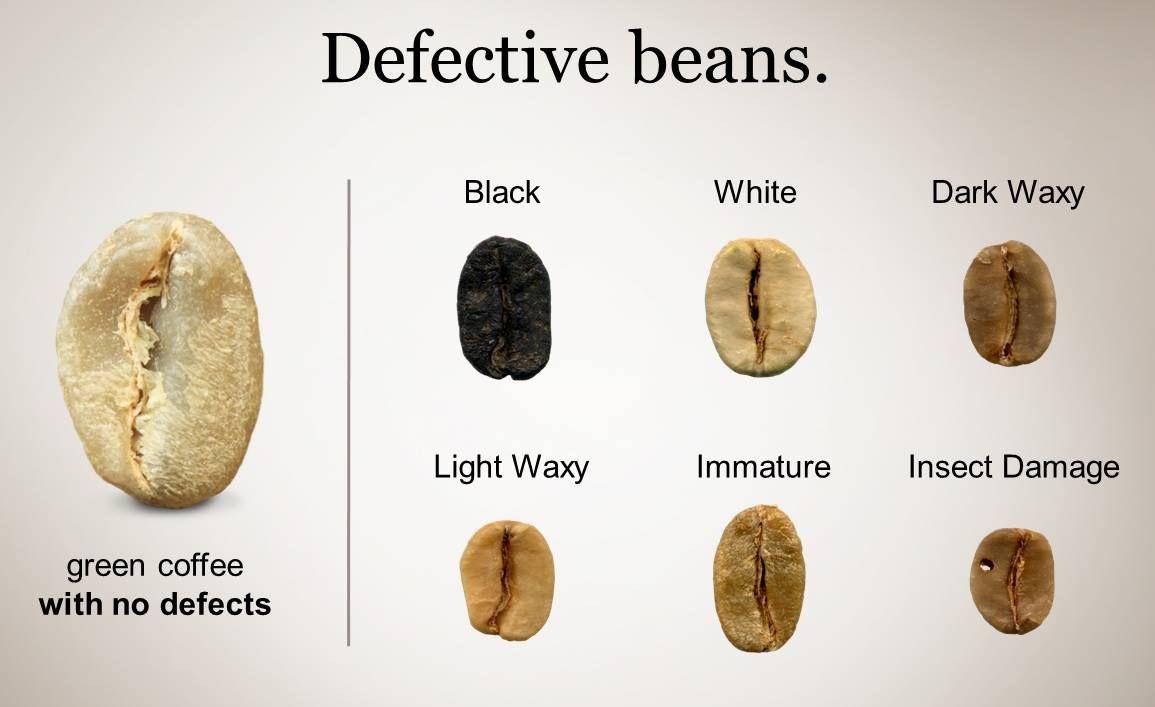
Defects are another critical part of green coffee evaluation.
Physical defects can include:
-
Black beans
-
Broken beans
-
Insect-damaged beans
-
Mold-related defects
-
Foreign materials
-
Other abnormalities
The number and severity of defects can affect both the physical quality and potential cup quality of a coffee.
This is why professional buyers do not evaluate green coffee based only on bean size.
A beautiful Screen 18 coffee can still have problems if the lot contains significant defects.
At Cau Dat Bean, selected green coffee lots undergo sorting and inspection to remove defective beans and foreign material. Some export specifications list defect levels below 0.1% for selected Arabica products.
8. Grade: What Does “Grade 1” Mean?
The word Grade 1 can be confusing because grading systems vary between markets, standards, and product categories.
A buyer should therefore avoid looking at the term "Grade 1" by itself.
Instead, ask:
-
Which grading standard?
-
What is the defect allowance?
-
What is the screen size?
-
What is the moisture level?
-
What is the processing method?
-
What does the sample taste like?
A complete specification is much more useful than a grade label alone.
9. Harvest: Which Season Is the Coffee From?
Coffee is an agricultural product.
That means every harvest can be slightly different.
Weather, rainfall, temperature, flowering, cherry development, harvesting conditions, and drying can all influence the final lot.
A buyer should therefore ask about the harvest period when sourcing green coffee.
This becomes especially important when planning annual supply contracts.
A roaster may want a coffee that tastes similar from one shipment to another, but agricultural products naturally experience some seasonal variation.
Consistency therefore depends on careful sourcing, processing, sorting, storage, and quality control.
10. Packaging: How Will the Coffee Be Shipped?
Packaging matters more than many new buyers expect.
Green coffee may be packed in different types of bags depending on the market, volume, and shipping requirements.
For larger commercial shipments, traditional jute or woven bags may be used.
For higher-value specialty coffee, additional protective packaging may be selected to help preserve quality during transportation and storage.
The buyer should confirm:
-
Bag size
-
Net weight
-
Packaging material
-
Number of bags
-
Pallet requirements, if any
-
Shipping method
For international orders, packaging should be discussed before the contract is finalized.
11. Cup Profile: The Specification Sheet Is Not Enough
This is one of the most important points.
A green coffee specification sheet tells you about the physical coffee.
It does not tell you everything about the sensory experience.
That is why a professional buyer should also request a sample.
A sample can help evaluate:
-
Aroma
-
Acidity
-
Sweetness
-
Body
-
Flavor
-
Aftertaste
-
Balance
-
Cleanliness
Two coffees can have almost identical physical specifications but taste very different.
This is especially true when comparing different varieties and processing methods.
How Coffee Buyers Should Read a Spec Sheet
Instead of looking at one number, look at the entire picture.
For example:
Origin: Cau Dat, Da Lat, Vietnam
Species: Arabica
Variety: Catimor / Typica
Process: Washed
Screen: 16/18
Moisture: 11–12.5%
Defects: Controlled according to lot specification
Harvest: Seasonal
Packaging: Export-ready bags
Now the buyer has a much clearer picture of the coffee.
But there is still one final step:
Cup the sample.
Physical Quality vs Cup Quality
It is useful to separate these two concepts.
Physical Quality
Includes:
-
Bean size
-
Moisture
-
Defects
-
Foreign matter
-
Uniformity
-
Appearance
Sensory Quality
Includes:
-
Aroma
-
Acidity
-
Sweetness
-
Body
-
Flavor
-
Balance
-
Aftertaste
Good green coffee sourcing considers both.
A coffee should meet the required physical specifications, but the cup must also match the buyer's expectations.
What Should a Roaster Ask a Green Coffee Supplier?
If you are sourcing green coffee for your roastery, here are some useful questions to ask:
About the coffee
-
What is the origin?
-
What variety is it?
-
What is the processing method?
-
What is the harvest period?
-
What is the screen size?
About quality
-
What is the moisture content?
-
What is the defect level?
-
Has the coffee been color sorted?
-
Has it been hand sorted?
-
Is a cupping sample available?
About supply
-
What is the available quantity?
-
What is the minimum order quantity?
-
Is the coffee available year-round?
-
Can the same lot be supplied again?
About export
-
What packaging is available?
-
What export documents can be provided?
-
What shipping terms are available?
-
Can samples be sent before a commercial order?
These questions can save buyers considerable time when comparing suppliers.
Why Transparency Matters in Green Coffee Sourcing
A good supplier should make it easy for a buyer to understand what they are purchasing.
Clear specifications help buyers compare different coffees.
Samples help buyers evaluate the cup.
Traceability helps buyers understand the origin.
And consistent communication helps both sides build a long-term relationship.
At Cau Dat Bean, our green coffee sourcing focuses on Vietnamese Arabica and Robusta, with product specifications covering origin, variety, processing, screen size, moisture, and quality information depending on the lot.
From Specification Sheet to Roasting Profile
A specification sheet is not only useful before buying.
It can also help a roaster prepare for the first roast.
Bean density, moisture, size distribution, processing method, and variety can all influence how green coffee responds to heat.
This means the roasting approach should be adapted to the coffee rather than applying exactly the same profile to every lot.
A high-altitude Arabica, for example, may behave differently from a lower-altitude Robusta.
This is why experienced roasters treat every new green coffee as a new roasting project.
A Green Coffee Spec Sheet Is the Beginning, Not the End
A specification sheet is valuable because it gives you a clear starting point.
But it should never replace:
Sampling.
Cupping.
Quality inspection.
Supplier communication.
The best purchasing decisions combine all four.
A good green coffee is not simply a collection of numbers.
Behind those numbers is a farm, a harvest, a processing method, a supply chain, and ultimately a cup.
Discover Vietnamese Green Coffee with Cau Dat Bean
Vietnam offers much more than one style of coffee.
From high-altitude Arabica in Cau Dat to premium Robusta from the Central Highlands, Vietnamese coffee offers a wide range of varieties, processing methods, and cup profiles.
At Cau Dat Bean, we work with Vietnamese green coffee for roasters, importers, coffee shops, and international buyers looking for reliable sourcing from Vietnam.
Our Arabica portfolio includes coffees from Cau Dat with varieties and processing methods selected according to the lot, including Catimor, Typica, Bourbon, Washed, Honey, and Natural coffees.
If you are sourcing Vietnamese green coffee, the first step is simple:
Ask for the specifications.
Then request a sample.
Cup it.
And let the coffee speak for itself.
Final Thoughts
Understanding a green coffee specification sheet does not need to be complicated.
Start with the basics:
Origin tells you where the coffee comes from.
Species and variety tell you what coffee plant produced it.
Processing tells you how the cherry was handled after harvest.
Screen size tells you about bean size.
Moisture tells you about an important physical quality parameter.
Defects tell you about cleanliness and quality control.
Harvest and packaging help you understand supply and logistics.
And finally:
The sample tells you what the coffee actually tastes like.
For coffee buyers, learning how to read these details is one of the most useful skills in green coffee sourcing.
Because before a coffee reaches the roaster, it already has a story.
The specification sheet is simply the first page.
Frequently Asked Questions
What is a green coffee specification sheet?
A green coffee specification sheet summarizes important physical and commercial information about a coffee lot, including origin, variety, processing, screen size, moisture, defects, and packaging.
What does Screen 18 mean in coffee?
Screen 18 generally refers to a larger green coffee bean size, approximately 7.1 mm. Screen size describes physical bean size and does not automatically determine cup quality.
What moisture level is good for green coffee?
A commonly used commercial range is around 10–12.5%, depending on the coffee and applicable standard. Cau Dat Bean lists moisture around 11–12.5% for several green Arabica products.
Does Screen 18 mean better coffee than Screen 16?
Not necessarily. Screen size indicates bean size, not sensory quality. Variety, origin, processing, defects, roasting, and brewing can all have a much greater influence on the final cup.
Why should I request a sample before buying green coffee?
A sample allows you to evaluate the physical appearance and, more importantly, cup characteristics such as aroma, acidity, sweetness, body, flavor, and aftertaste.
What should I ask a Vietnamese green coffee supplier?
Ask about origin, variety, processing, screen size, moisture, defects, harvest, available quantity, packaging, export documentation, and sample availability.
Can Cau Dat Bean supply green coffee for international buyers?
Cau Dat Bean presents green Arabica and Robusta coffee for wholesale and export sourcing, with product specifications and export-oriented sourcing information available for buyers.


 Group4, Cau Dat Village, Xuan Truong commune, Da Lat City, Lam Dong Province, Vietnam
 +84 783 472 234
 caudatbean@gmail.com
  www.caudatbean.com