
How to Choose Coffee for Hotels, Restaurants, and Offices: A Practical Buying Guide
Coffee is an important part of the guest and customer experience in many businesses. From hotel breakfast service and restaurant menus to office coffee stations, serving good coffee can improve customer satisfaction and create a more welcoming environment.
However, choosing coffee for a hotel, restaurant, or office is different from choosing beans for a traditional coffee shop.
Each business has different requirements for flavor, preparation time, serving volume, equipment, packaging, and purchasing budgets.
A hotel may need coffee that is easy to serve consistently throughout breakfast hours. A restaurant may want coffee that complements its food menu. An office may prioritize convenience, simple preparation, and reliable daily supply.
In this guide, Cầu Đất Bean explains how businesses can choose the right coffee products based on their operations and customer expectations.
1. Understand Your Business's Coffee Requirements
Before selecting a coffee supplier or product, identify how coffee will be served in your business.
Different environments require different solutions.
Hotels
Hotels often serve coffee during breakfast, in restaurants, at reception areas, or through in-room beverage services.
Important considerations include:
-
Consistent flavor across multiple servings.
-
Convenient preparation during busy periods.
-
Suitable packaging for daily operations.
-
Coffee options for different guest preferences.
-
Reliable supply throughout the year.
Restaurants
Restaurants usually serve coffee as part of a larger food and beverage menu.
The coffee should complement the dining experience and match the restaurant's service style.
For example, a restaurant may offer espresso, Americano, cappuccino, Vietnamese coffee, or iced coffee.
Offices
Office coffee is often about convenience and everyday enjoyment.
Businesses may need coffee that is easy to prepare, suitable for different preferences, and available in quantities that match employee consumption.
Understanding these requirements will help you choose a product that works in practice rather than simply selecting coffee based on price.
2. Choose the Right Coffee Type
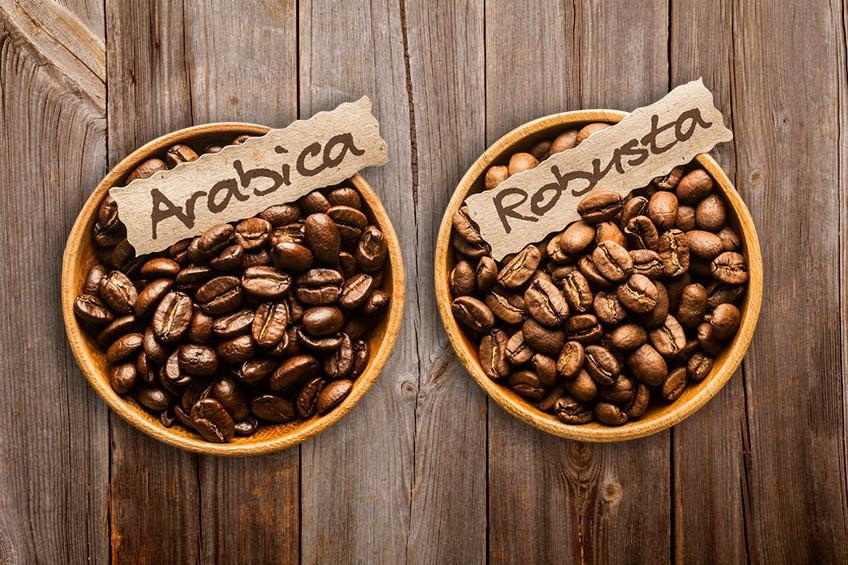
The coffee variety and blend influence aroma, body, flavor, and the overall drinking experience.
Two of the most common choices are Arabica and Robusta.
Arabica Coffee
Arabica is often chosen by businesses looking for aromatic complexity and a more varied flavor profile.
Depending on its origin, variety, and processing method, Arabica may offer:
-
Floral or fruity aromas.
-
Gentle to bright acidity.
-
Caramel and chocolate notes.
-
A balanced and smooth finish.
Cầu Đất Arabica from Đà Lạt is an option for businesses interested in highland Vietnamese coffee.
Robusta Coffee
Robusta is popular for its stronger body and distinctive intensity.
Depending on its quality and roast profile, it may offer:
-
Bold coffee flavor.
-
Strong body.
-
Roasted nut and chocolate-like notes.
-
A pronounced finish.
Robusta can be suitable for traditional Vietnamese coffee, milk-based drinks, and businesses that prefer a stronger coffee profile.
Arabica–Robusta Blends
Blends combine different coffee characteristics to create a desired flavor profile.
For example, Arabica can contribute aroma and complexity, while Robusta can provide additional body and intensity.
A blend can be a practical option for businesses that want a consistent house coffee suitable for several menu items.
3. Select the Right Coffee Format
The product format should match your equipment, staff capabilities, and daily serving volume.
| Coffee format | Suitable applications |
|---|---|
| Green coffee beans | Businesses with their own roasting facilities |
| Whole roasted beans | Hotels, restaurants, cafés, and offices with grinders |
| Ground coffee | Phin brewing, filter brewing, and convenient preparation |
| Retail packaged coffee | Guest amenities, office pantries, and gift products |
Whole Roasted Beans
Whole beans allow businesses to grind coffee immediately before brewing.
This provides flexibility in adjusting grind size for different brewing methods and helps preserve aroma during storage compared with pre-ground coffee.
Ground Coffee
Ground coffee can simplify preparation, particularly where speed and convenience are important.
However, the grind size should match the intended brewing equipment.
For example, coffee prepared for a Vietnamese phin requires a different grind size from espresso.
Green Coffee Beans
Green coffee is suitable for businesses that have roasting equipment and want greater control over roast profiles, production, and blending.
For most hotels, restaurants, and offices without roasting facilities, roasted coffee or ground coffee is generally more practical.
4. Match Coffee to Your Preparation Method
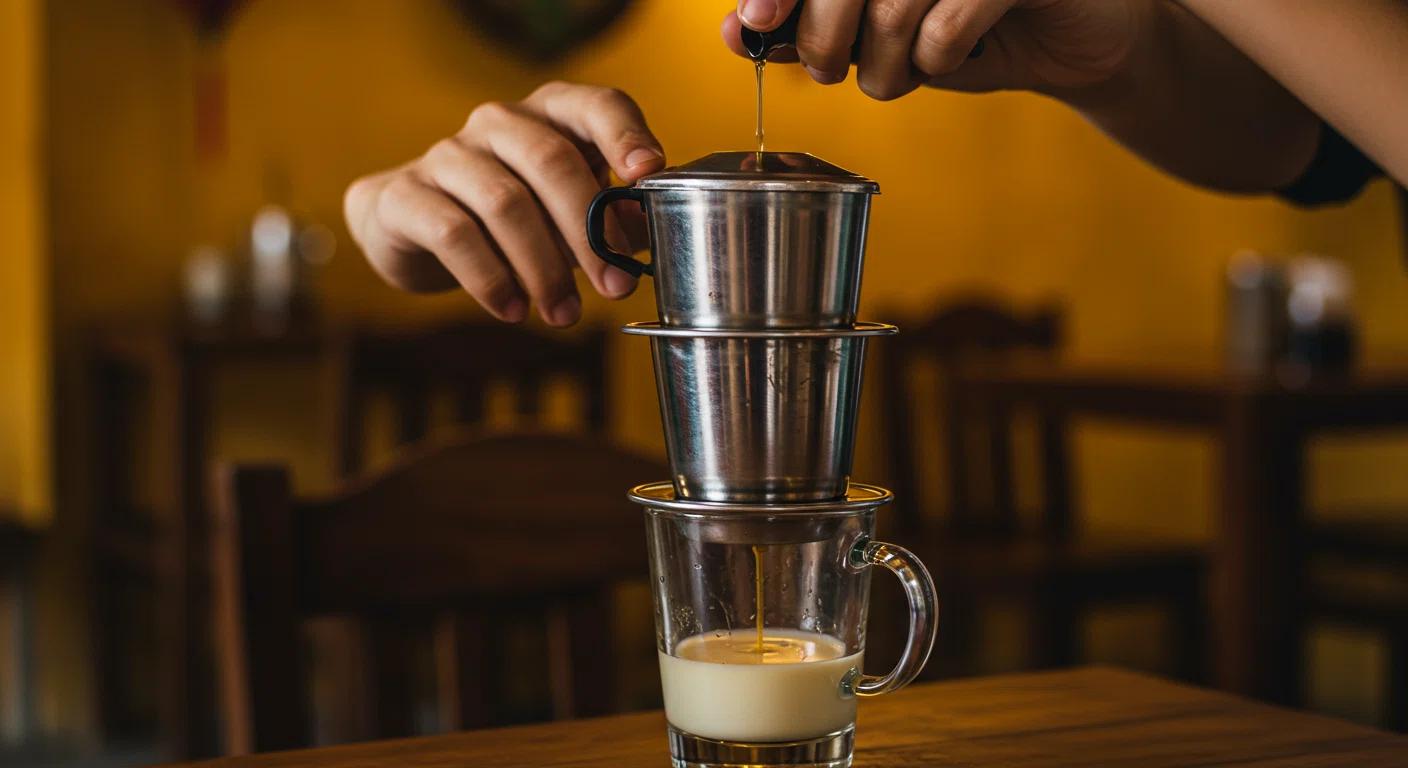
The brewing equipment determines which coffee format and grind size are appropriate.
Here are some common options.
Espresso Machines
Suitable for businesses offering espresso-based drinks such as:
-
Espresso.
-
Americano.
-
Cappuccino.
-
Latte.
-
Mocha.
Whole roasted beans are generally recommended because they can be ground according to the machine's requirements.
Vietnamese Phin
The traditional Vietnamese phin is a simple brewing method that requires ground coffee and hot water.
It is suitable for businesses serving Vietnamese black coffee or iced milk coffee.
Robusta and Arabica–Robusta blends are common choices for a bold, traditional flavor.
Filter Coffee Machines
Automatic filter coffee machines can be useful in hotels, breakfast areas, and office environments where several servings are needed.
The coffee grind and brewing recipe should be matched to the machine to achieve a balanced result.
Manual Brewing
Pour-over and other manual brewing methods can provide a more personalized coffee experience.
They may be suitable for boutique hotels, restaurants, or businesses that want to introduce specialty coffee to their customers.
5. Consider the Expected Daily Consumption
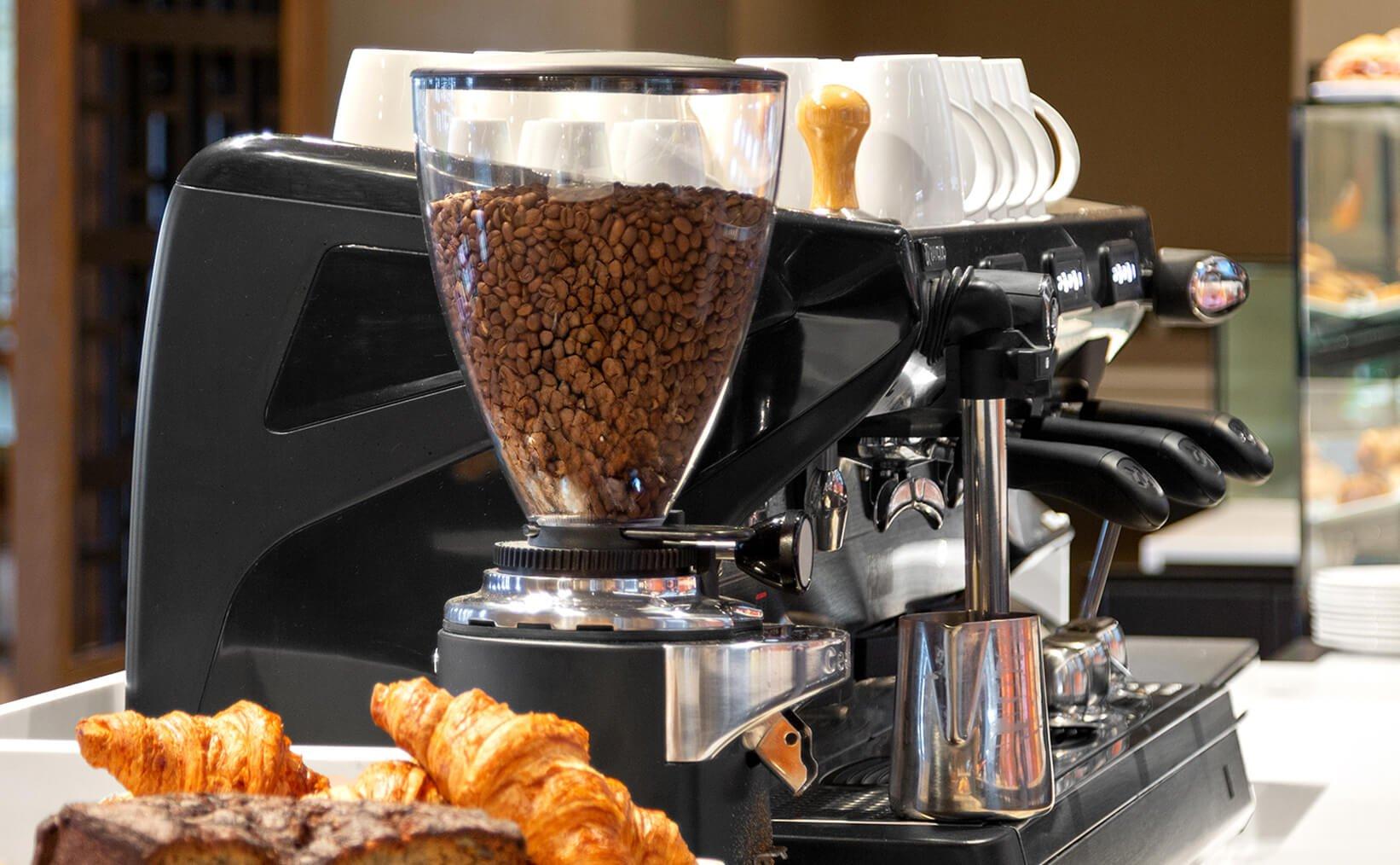
Coffee purchasing should be based on actual or estimated consumption.
Ordering too little may interrupt service, while ordering too much can create unnecessary inventory and storage challenges.
A simple estimate can help businesses plan.
Example:
Assume an office has 30 employees, and each employee drinks an average of two cups per working day.
-
Employees: 30.
-
Average consumption: 2 cups per person.
-
Total: 60 cups per day.
If each cup uses 10 grams of coffee:
60 × 10g = 600g per day.
For 22 working days:
600g × 22 = 13.2kg per month.
This is an illustrative estimate. Actual consumption depends on serving size, brewing method, employee preferences, and the number of visitors.
For hotels and restaurants, consumption should also account for occupancy, customer traffic, breakfast service, and seasonal demand.
6. Evaluate Packaging and Storage Requirements
Packaging affects convenience, storage, and coffee quality.
The right packaging depends on how quickly the business uses its coffee and how the product is handled after opening.
Consider the following:
-
250g packs: Useful for smaller consumption volumes, product testing, and guest retail.
-
500g packs: Suitable for moderate usage and convenient inventory rotation.
-
1kg packs: Practical for restaurants, hotels, and offices with regular coffee consumption.
-
Bulk packaging: Suitable for larger wholesale and production requirements.
For roasted whole beans, packaging with a one-way degassing valve can help release carbon dioxide while limiting air from entering through the valve.
After opening, coffee should be resealed properly and stored in a cool, dry place away from direct sunlight and excessive moisture.
Businesses should also organize stock rotation to avoid keeping opened coffee for unnecessarily long periods.
7. Look Beyond the Purchase Price
Choosing coffee based only on the lowest price can lead to problems if the product does not meet your service requirements.
Instead, evaluate the overall value.
Consider:
-
Coffee quality and flavor consistency.
-
Cost per serving.
-
Preparation time.
-
Waste during preparation.
-
Packaging and storage.
-
Supplier reliability.
-
Product availability.
For example, a slightly higher-priced coffee may provide better flavor consistency and reduce preparation adjustments.
For businesses serving many cups each day, small differences in usage and waste can also affect total operating costs.
The best choice is the coffee that meets your quality expectations while remaining practical for your budget and operations.
8. Choose a Supplier That Understands Business Needs
A reliable coffee supplier should be able to provide more than a product quotation.
Before placing an order, consider asking:
-
What coffee varieties and origins are available?
-
Can the supplier provide product specifications?
-
Are samples available for testing?
-
Can the coffee be supplied as whole beans or ground coffee?
-
What packaging sizes are available?
-
What is the minimum order quantity?
-
Can the supplier maintain consistent product specifications across orders?
-
What are the production and delivery arrangements?
For larger businesses, it is also useful to discuss purchasing schedules, documentation requirements, and long-term supply arrangements.
Clear communication helps both parties understand expectations before the first order is confirmed.
9. A Practical Checklist Before Choosing Your Coffee
Use this checklist to evaluate coffee options for your business:
-
Identify the main purpose of serving coffee.
-
Understand customer or employee preferences.
-
Choose Arabica, Robusta, or a suitable blend.
-
Confirm the brewing equipment and grind requirements.
-
Estimate daily and monthly consumption.
-
Select suitable packaging sizes.
-
Calculate the expected cost per serving.
-
Request samples and evaluate flavor.
-
Confirm product specifications and order quantities.
-
Discuss delivery schedules and ongoing supply.
Taking these steps can make purchasing decisions easier and help businesses build a more consistent coffee service.
Conclusion: The Right Coffee Should Fit Your Business
Hotels, restaurants, and offices all have different coffee requirements.
The best coffee is not necessarily the most expensive or the most complex. It is the coffee that matches your customers' preferences, preparation methods, consumption volume, and operating budget.
By considering coffee type, product format, brewing equipment, packaging, and supplier reliability, businesses can make more informed purchasing decisions.
Good coffee is not only about what is in the cup. It is also about choosing a product and supply partner that support your daily operations.
Find the Right Coffee Supply for Your Business with Cầu Đất Bean
Cầu Đất Bean supplies Vietnamese coffee options for wholesale customers and businesses, including:
-
Cầu Đất Arabica.
-
Vietnamese Robusta.
-
Arabica–Robusta blends.
-
Roasted whole beans.
-
Ground coffee.
-
Green coffee beans for roasting businesses.
Whether you operate a hotel, restaurant, office, café, or distribution business, our team can discuss suitable coffee options based on your preferred flavor profile, brewing method, and expected order volume.
Contact Cầu Đất Bean to request product information, samples, and a wholesale quotation.
Try before you buy.
CAU DAT BEAN
-
Showroom: 82B Trương Công Định, Phường Xuân Hương, Đà Lạt, Lâm Đồng, Vietnam
-
Phone / WhatsApp: +84 926 915 849
-
Email: caudatbean@gmail.com
-
Website: https://caudatcoffee.com.vn


 Group4, Cau Dat Village, Xuan Truong commune, Da Lat City, Lam Dong Province, Vietnam
 +84 783 472 234
 caudatbean@gmail.com
 www.caudatbean.com