
Why Does Vietnamese Coffee Taste So Different? A Look at Vietnam’s Unique Coffee Culture
Vietnamese coffee has a character that is easy to recognize.
It can be bold, rich, intense, slightly bitter, deeply aromatic, or surprisingly sweet. It may be served black, over ice, with condensed milk, or slowly brewed through a traditional metal phin.
But what makes Vietnamese coffee taste so different?
The answer is not simply the coffee bean. Vietnamese coffee has developed through a combination of coffee varieties, roasting styles, brewing traditions, ingredients, and everyday coffee culture. Together, these elements have created a coffee identity that is distinctly Vietnamese.
1. Vietnamese Coffee Is More Than Robusta
Vietnam is internationally well known for Robusta coffee, and Robusta plays an important role in the country's coffee industry.
Compared with Arabica, Robusta generally has a stronger body, higher caffeine content, and more pronounced earthy, nutty, and cocoa-like characteristics. These qualities work particularly well with the bold coffee style traditionally enjoyed in Vietnam.
However, Vietnamese coffee is not only Robusta.
Arabica is also grown in Vietnam, particularly in highland regions where cooler temperatures and higher elevations create different growing conditions.
Cầu Đất, near Đà Lạt, is one of the areas associated with Vietnamese highland Arabica. Here, varieties such as Catimor, Typica, Bourbon, and Yellow Bourbon can offer very different flavor experiences depending on the variety, growing conditions, processing method, roasting, and brewing.
This diversity is an important part of the modern Vietnamese coffee story.
2. The Phin Is at the Heart of Vietnamese Coffee
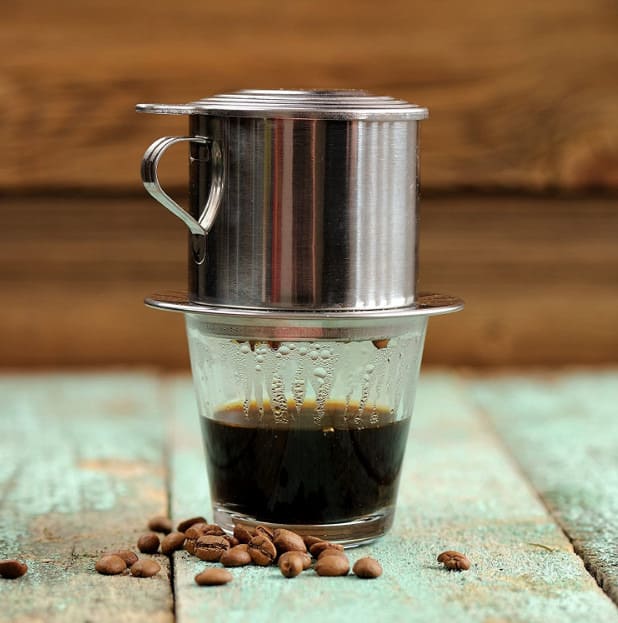
One of the most recognizable symbols of Vietnamese coffee is the phin.
The phin is a small metal filter placed directly over the cup. Coffee grounds are added inside, hot water is poured over them, and the coffee slowly drips into the cup below.
Unlike espresso, the process is intentionally slow.
You can watch each drop fall before the drink is ready.
This slow brewing method is closely connected with the traditional Vietnamese coffee experience. It produces a concentrated cup that works particularly well with strong roasted coffee, condensed milk, or ice.
But the phin is more than a brewing device.
For many Vietnamese coffee drinkers, it represents a daily ritual.
The coffee takes a few minutes to brew, giving people time to sit down, talk, read, or simply enjoy a quiet moment.
3. Why Is Vietnamese Coffee Often Bold and Dark?
Traditional Vietnamese coffee is often associated with darker roasting.
A darker roast can bring out deeper roasted aromas and flavors, including cocoa, caramel, toasted nuts, and dark chocolate-like notes.
When this roasting style is combined with a full-bodied coffee and the concentrated extraction of a phin, the result can be a powerful cup.
This is quite different from the lighter roasting styles often used in modern specialty coffee, where the goal may be to highlight delicate floral, fruity, or citrus characteristics.
Neither style is automatically better.
They simply offer different experiences.
Vietnamese coffee culture traditionally appreciates intensity, richness, and a lingering finish. At the same time, Vietnam's growing specialty coffee scene is introducing consumers to lighter roasts and more delicate expressions of local Arabica.
4. Cà Phê Sữa Đá: The Perfect Contrast
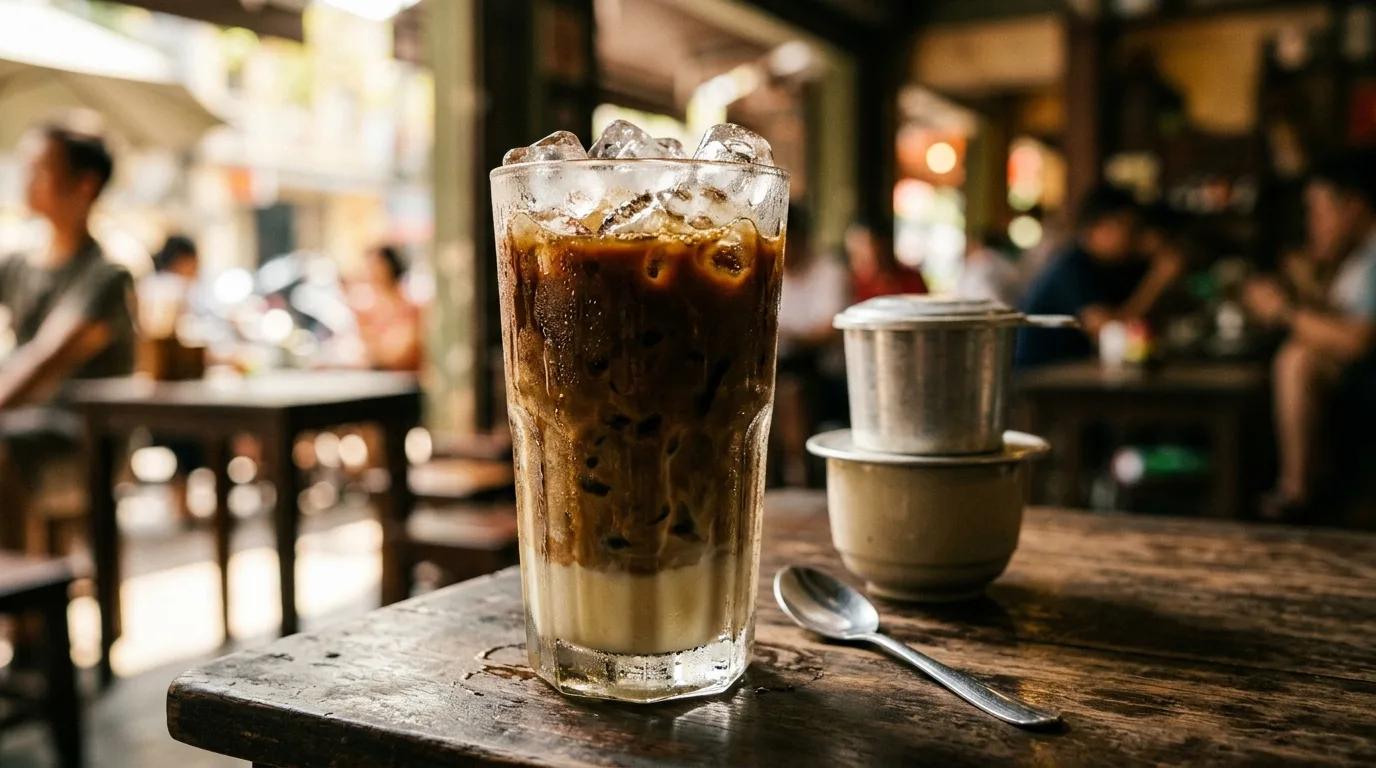
Perhaps the most recognizable Vietnamese coffee drink is cà phê sữa đá — coffee served with sweetened condensed milk and ice.
The appeal comes from contrast.
Strong coffee + creamy sweetness + cold ice
The condensed milk softens the intensity of the coffee while adding richness and sweetness. Ice then transforms the drink into something refreshing, especially in Vietnam's warm climate.
This combination has become one of the country's most recognizable coffee experiences.
For visitors discovering Vietnamese coffee for the first time, cà phê sữa đá is often an introduction to the country's distinctive coffee style.
For locals, it is simply part of everyday life.
5. Coffee Is Part of Vietnamese Social Culture
Coffee in Vietnam is not only about caffeine.
It is also about connection.
A café can be a place for a morning conversation, a business meeting, a casual date, an afternoon break, or a long evening with friends.
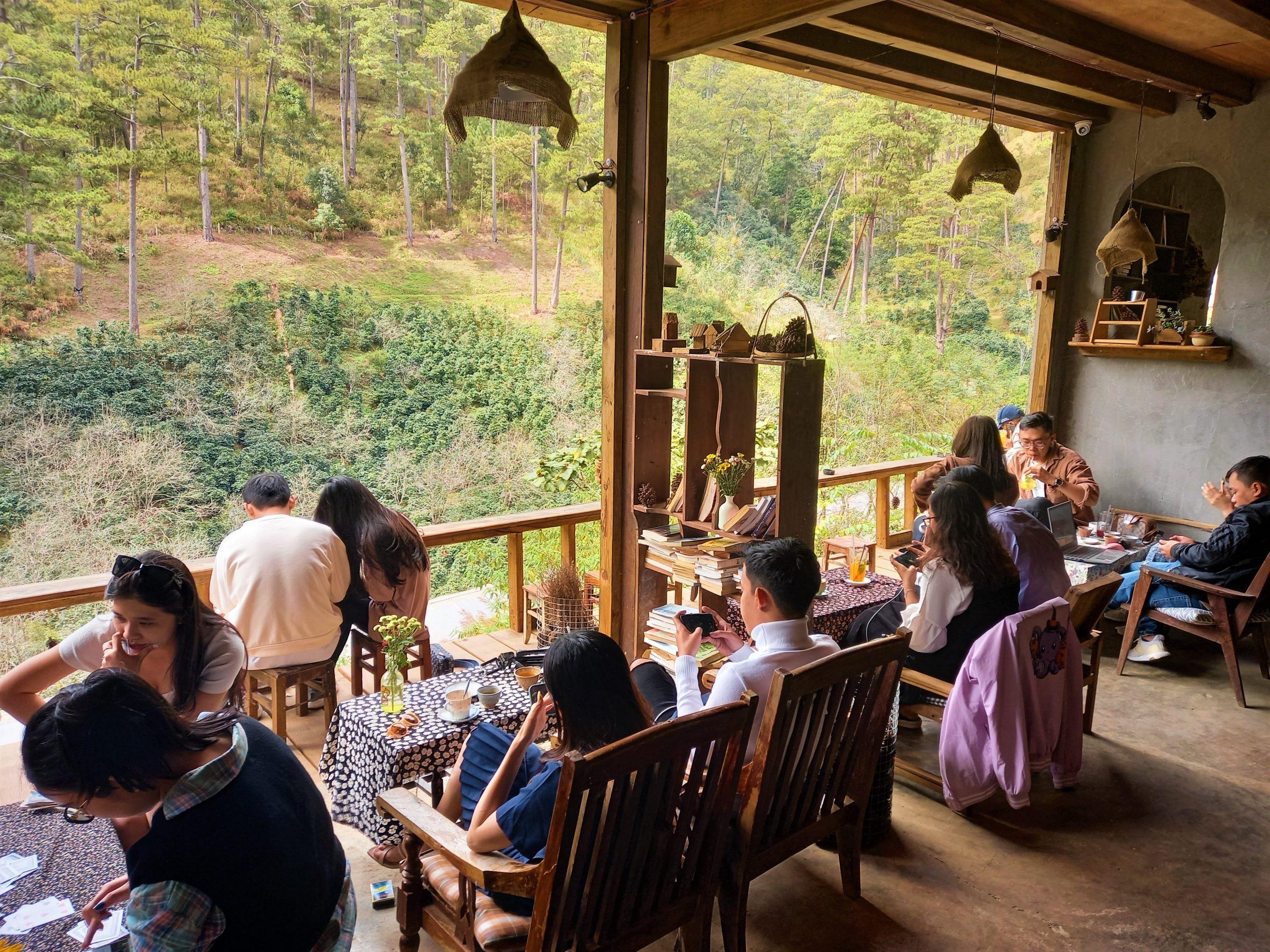
Vietnamese coffee shops come in many forms — from small sidewalk cafés with low chairs to modern specialty coffee shops and atmospheric cafés in cities such as Đà Lạt.
The coffee may be different, but the social habit remains.
People often do not rush through their coffee.
They sit.
They talk.
They watch the street.
They work.
They meet friends.
Sometimes, the coffee is simply an excuse to slow down.
That relaxed relationship with coffee is one of the most distinctive elements of Vietnamese coffee culture.
6. Vietnam Has More Coffee Diversity Than You Might Expect
When people hear "Vietnamese coffee," they may immediately imagine a strong cup of Robusta with condensed milk.
But Vietnam's coffee landscape is much more diverse.
Different growing regions, varieties, processing methods, roast profiles, and brewing techniques can produce very different cups.
Arabica from the highlands can show brighter aromas and greater flavor complexity. Traditional Robusta can offer powerful body and deep roasted character. Honey and natural processed coffees may express different levels of sweetness and fruitiness compared with washed coffees.
This diversity means that Vietnamese coffee cannot be described by a single flavor.
There is no one "Vietnamese coffee taste."
There are many.
7. Why Cầu Đất Is Important to Vietnamese Arabica
Cầu Đất has a long history of coffee cultivation and is closely associated with Arabica production in the Đà Lạt highlands.
The region's elevation, cool climate, and significant day-to-night temperature variation create a distinctive environment for coffee cultivation.
Cau Dat Bean works with coffee from this highland origin, including Arabica varieties such as Catimor, Typica, Bourbon, and Yellow Bourbon.
Each variety can express its own character.
Typica is often appreciated for its clean and elegant profile. Bourbon can offer sweetness and complexity. Yellow Bourbon is known for its distinctive sweetness and aromatic potential, while Catimor can provide a fuller and more robust cup profile.
The final flavor, however, is influenced by much more than variety alone. Farming practices, harvest quality, processing, roasting, and brewing all play important roles.
That is why understanding the origin is only the beginning of understanding the coffee.
8. Traditional Coffee Meets Modern Specialty Coffee
Vietnamese coffee culture is changing, but it is not abandoning its roots.
Traditional phin coffee remains popular, while specialty coffee shops are introducing new brewing methods such as pour-over, espresso, and other modern techniques.
Vietnamese roasters are also experimenting with different roast profiles to showcase the natural characteristics of local Arabica and Robusta.
This creates an exciting combination of old and new.
A coffee lover in Vietnam can enjoy a classic cà phê sữa đá in the morning and a carefully brewed single-origin Arabica later in the day.
Both belong to Vietnamese coffee culture.
One represents tradition.
The other represents its evolution.
9. So, What Makes Vietnamese Coffee Different?
There is no single reason.
Vietnamese coffee tastes different because several elements come together:
-
Coffee varieties: Robusta is important, while Arabica offers another side of Vietnam's coffee identity.
-
Roasting: Traditional darker roasting creates bold and deep flavors.
-
Brewing: The phin produces a slow, concentrated extraction.
-
Ingredients: Condensed milk and ice create the iconic cà phê sữa đá.
-
Culture: Coffee is connected with conversation, relaxation, and everyday social life.
-
Origin: Vietnam's highland regions provide diverse environments for growing coffee.
Together, these elements create something bigger than a brewing method.
They create a coffee culture.
A Taste of Vietnam in Every Cup
Vietnamese coffee does not need to imitate another coffee tradition to be appreciated.
Its strength comes from its own identity.
From a strong phin coffee enjoyed on a busy morning to a carefully roasted Arabica from the cool hills of Cầu Đất, Vietnamese coffee can take many forms.
And that is what makes it interesting.
One country. Many coffee styles. One unmistakably Vietnamese coffee culture.
At Cau Dat Bean, we are proud to be part of this story — bringing the character of Vietnam's highland coffee closer to coffee lovers in Vietnam and around the world.
Discover Cau Dat Bean
Looking for Vietnamese Arabica from the highlands of Đà Lạt?
Visit our showroom:
Cau Dat Bean
82B Trương Công Định, Phường Xuân Hương, Đà Lạt, Lâm Đồng, Vietnam
Phone / WhatsApp: +84 926 915 849
Email: caudatbean@gmail.com
Discover the character of Cầu Đất coffee — and experience Vietnam, one cup at a time.


 Group4, Cau Dat Village, Xuan Truong commune, Da Lat City, Lam Dong Province, Vietnam
 +84 783 472 234
 caudatbean@gmail.com
  www.caudatbean.com