
What Is Coffee Traceability? Why Knowing Where Your Coffee Comes From Matters
When buying specialty coffee, you may see information such as origin, farm, region, variety, altitude, processing method, and harvest.
But why is all of this information important?
The answer is coffee traceability.
Traceability allows buyers and coffee professionals to understand where coffee comes from and how it moves through the supply chain—from the coffee farm to the final product.
For specialty coffee, knowing the story behind the beans is not simply about marketing.
It is about quality, consistency, transparency, and trust.
What Is Coffee Traceability?
Coffee traceability means being able to follow coffee through different stages of its journey.
A traceable coffee may provide information about:
-
Country
-
Region
-
Growing area
-
Farm or producer
-
Coffee variety
-
Altitude
-
Harvest period
-
Processing method
-
Drying
-
Grading
-
Storage
-
Roasting
The more information available, the easier it becomes for buyers and roasters to understand what they are purchasing.
Why Does Coffee Origin Matter?
Coffee is an agricultural product.
Where it is grown can influence how it develops.
Climate, altitude, soil, rainfall, temperature, and farming practices all contribute to the characteristics of coffee.
This is why coffee from different regions can taste very different.
Even within the same country, different growing areas can produce distinct coffee profiles.
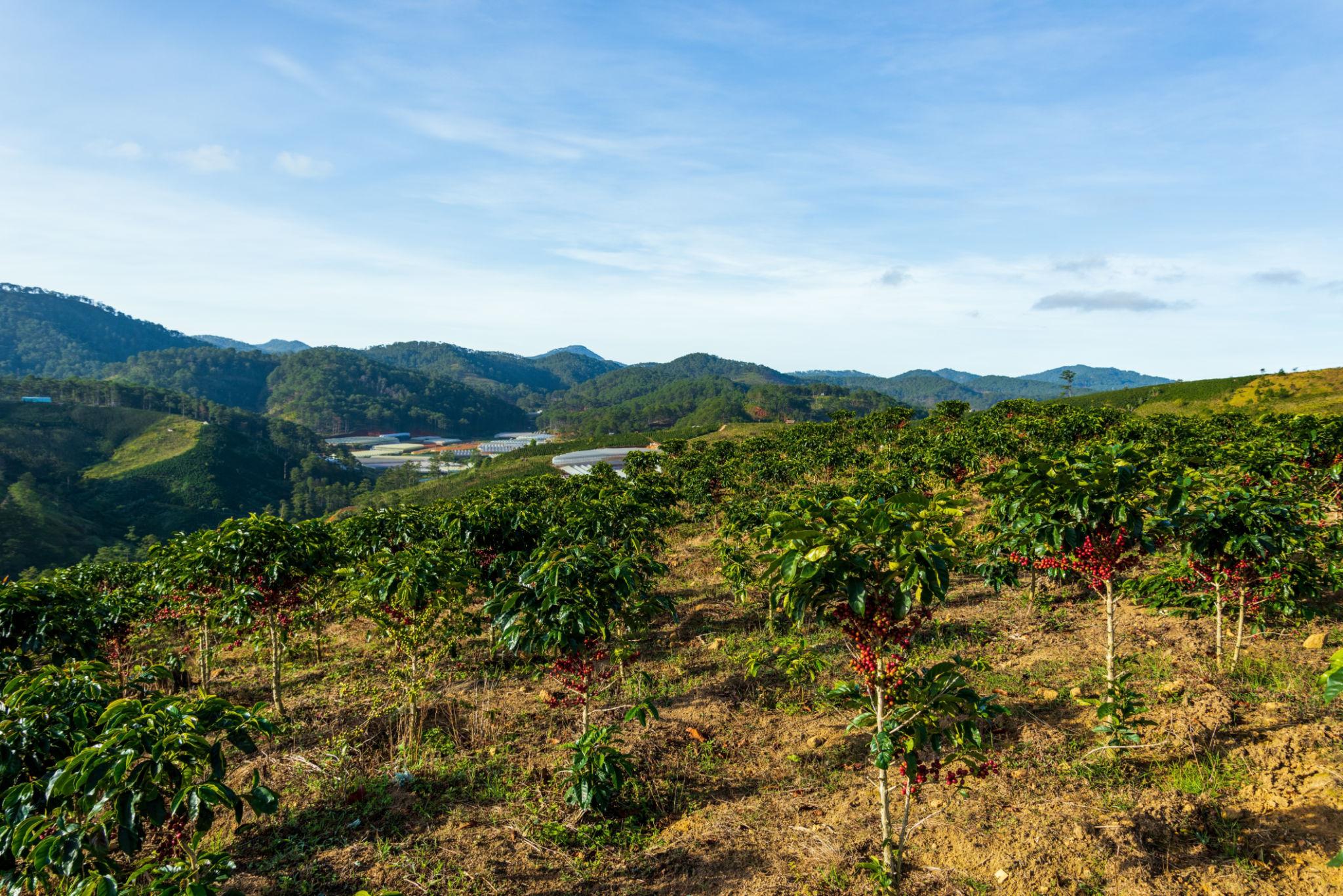
For example, highland Arabica from Da Lat can offer a very different sensory experience from coffee grown in another Vietnamese region.
What Does Traceability Tell Coffee Buyers?
For a coffee buyer, traceability provides useful information before making a purchasing decision.
Instead of simply buying:
“Vietnam Arabica”
a buyer may want to know:
Where in Vietnam?
Which region?
Which variety?
At what altitude?
How was it processed?
When was it harvested?
These details help buyers compare different coffees more accurately.
Traceability and Coffee Quality
Traceability does not automatically mean that a coffee is high quality.
However, better traceability makes it easier to understand and evaluate quality.
For example, if a coffee has information about its:
-
Variety
-
Origin
-
Processing
-
Screen size
-
Moisture
-
Harvest
-
Storage
a roaster can make more informed decisions about how to roast and use the coffee.
Traceability therefore supports better communication between producers, exporters, importers, roasters, and coffee businesses.
Why Coffee Variety Matters
Variety is an important part of traceability.
Different coffee varieties can have different characteristics and growing requirements.
Cau Dat is historically associated with Arabica varieties including Moka, Typica, and Bourbon, while Catimor was later introduced and became important to Vietnamese Arabica production.
Knowing the variety gives buyers another piece of information about the identity of the coffee.
It also allows roasters to compare different lots more effectively.
Why Altitude Matters
Altitude is another important piece of information.
Coffee grown at higher elevations often develops more slowly because of cooler temperatures.
This slower development can contribute to the formation of complex flavor characteristics.
Cau Dat is located in the highlands of Da Lat, with coffee-growing areas at elevations above 1,600 meters.
However, altitude should never be considered by itself.
Climate, variety, soil, farming, processing, and roasting also influence the final cup.
Processing Is Part of the Story
A traceable coffee should ideally include information about how it was processed.
Common processing methods include:
Washed
The coffee fruit is removed before drying.
Washed coffees are often associated with clean and clearly defined flavors.
Natural
The coffee cherry is dried with the fruit surrounding the seed.
Natural coffees can develop pronounced fruitiness and sweetness.
Honey
The skin is removed while some mucilage remains during drying.
Honey processing can create a combination of sweetness, body, and clarity.
At Cau Dat Bean, coffee processing includes Natural, Washed, and Honey methods, with controlled drying practices for different coffee lots.
Traceability Helps Roasters
For coffee roasters, traceability is especially valuable.
A roaster needs to understand the green coffee before deciding how to roast it.
Information such as:
-
Variety
-
Processing
-
Moisture
-
Screen size
-
Density
-
Origin
can help guide roasting decisions.
Two coffees may look similar as green beans but behave very differently during roasting.
The more information a roaster has, the better they can develop an appropriate roast profile.
Traceability Helps Coffee Businesses Build Consistency
Consistency is important for cafés, roasters, distributors, and coffee brands.
Imagine ordering the same coffee repeatedly but receiving beans with completely different characteristics each time.
It becomes difficult to maintain a consistent product.
Traceable sourcing helps businesses understand the coffee they are purchasing and communicate more clearly with suppliers.
This becomes particularly important for wholesale and export buyers.
Traceability and Specialty Coffee
Specialty coffee is increasingly about transparency.
Coffee professionals want to know more than simply:
“Is this Arabica?”
They want to understand:
Who produced it?
Where was it grown?
What variety is it?
How was it processed?
How was it dried?
How was it stored?
This information creates a stronger connection between the producer and the person drinking the final cup.
What Information Should Be on a Green Coffee Specification?
For green coffee buyers, a useful specification can include:
Origin: Vietnam
Region: Cau Dat / Da Lat
Variety: Typica, Bourbon, Catimor, Moka, etc.
Altitude: Growing elevation
Process: Washed, Natural, Honey
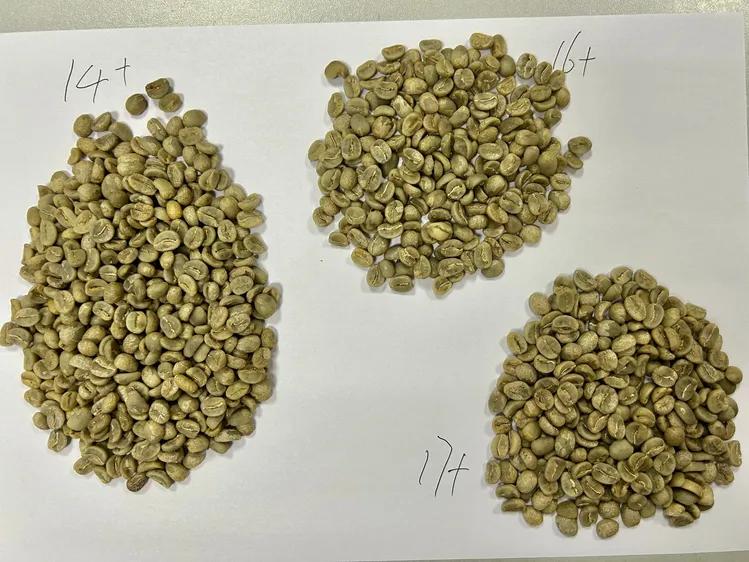
Screen Size: Bean size classification
Moisture: Green coffee moisture level
Crop / Harvest: Harvest information
Cup Profile: Sensory characteristics
Packaging: Bag type and weight
This information helps buyers compare different coffee lots and choose the right coffee for their market.
Traceability From Farm to Cup
The journey of a traceable coffee can be viewed as:
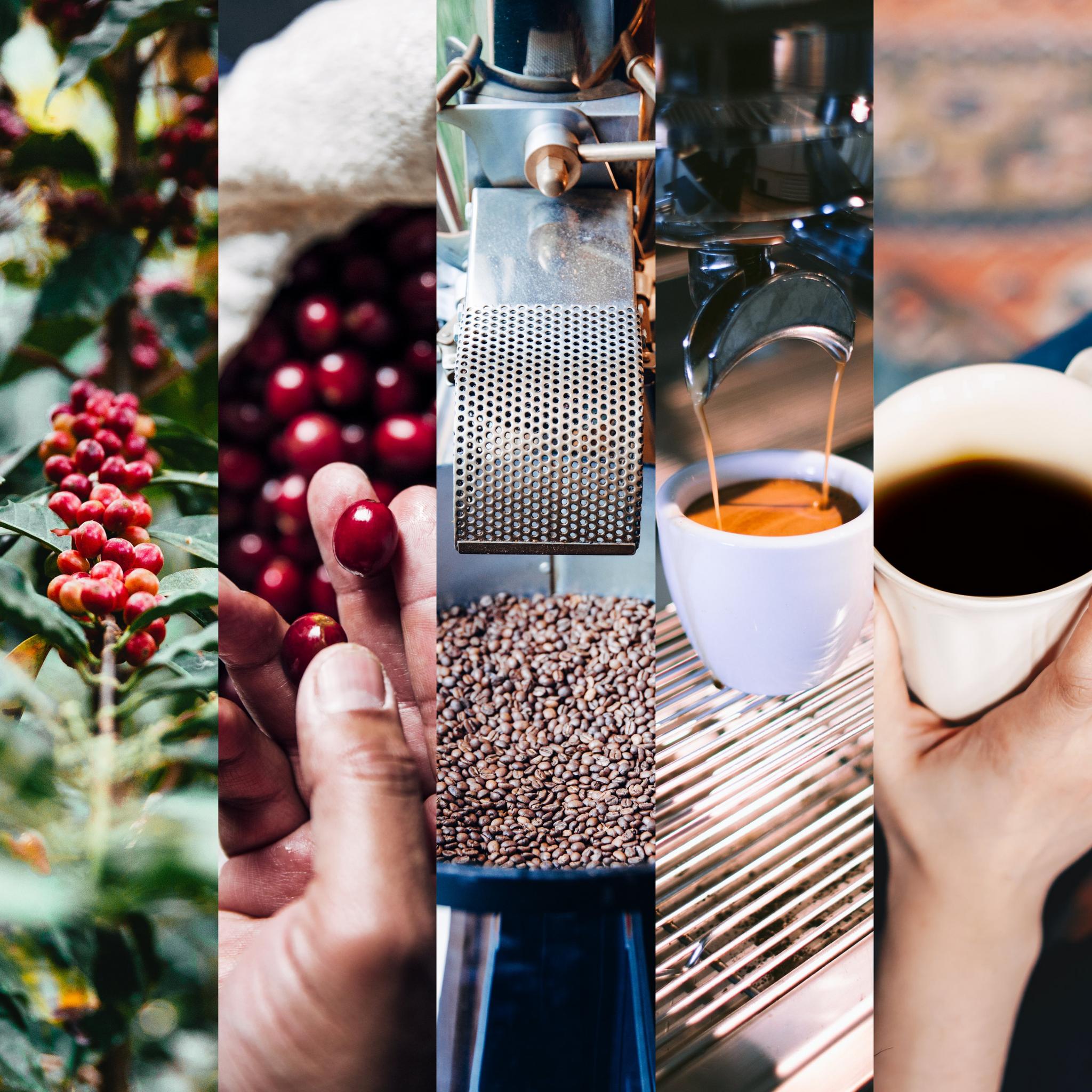
Farm → Harvest → Processing → Drying → Sorting → Green Coffee → Storage → Roasting → Brewing → Cup
Each stage can influence the final result.
When these stages are documented and communicated clearly, buyers have a better understanding of what they are purchasing.
Why Traceability Matters for Vietnamese Coffee
Vietnam is one of the world's major coffee-producing countries.
While Vietnam is internationally recognized for Robusta, the country also produces specialty Arabica in highland regions.
Cau Dat, in the Da Lat highlands, has a long history of Arabica cultivation.
According to Cau Dat Bean's own history, Arabica cultivation in the area dates back to the early 20th century, with varieties such as Moka, Typica, and Bourbon introduced to the region.
Today, Vietnamese specialty coffee offers an opportunity for buyers to explore different varieties, origins, and processing styles.
Cau Dat Bean: Connecting Origin With Quality
At Cau Dat Bean, we believe that coffee quality starts long before roasting.
Understanding the origin, variety, processing, and condition of green coffee helps us better appreciate what each coffee lot can offer.
Our coffee comes from the highlands of Da Lat and includes Arabica varieties and different processing methods.
By providing more information about the coffee, we aim to make it easier for coffee businesses and consumers to understand the beans behind their cup.
For Coffee Buyers and Roasters
If you are looking for Vietnamese green coffee for roasting, wholesale, or export, traceability can help you make a more informed decision.
Instead of choosing coffee based only on price, consider the complete picture:
Origin + Variety + Altitude + Processing + Quality + Consistency
These details can make a significant difference when building a long-term coffee product.
Final Thoughts
Coffee traceability is about more than knowing the name of a country.
It is about understanding the journey behind the coffee.
From the farm and variety to processing, drying, grading, storage, roasting, and brewing, every stage contributes to the final cup.
The next time you buy specialty coffee, look beyond the label.
Ask where it comes from.
Ask what variety it is.
Ask how it was processed.
Because when you know the story behind the beans, you can better understand the coffee in your cup.
Frequently Asked Questions
What is coffee traceability?
Coffee traceability is the ability to follow coffee through its supply chain, from its growing area and processing to green coffee, roasting, and the final cup.
Why is coffee traceability important?
It helps buyers understand origin, quality, processing, and consistency, making it easier to evaluate and purchase coffee.
What information should green coffee buyers ask for?
Important information can include origin, variety, altitude, processing method, harvest, moisture, screen size, cup profile, and packaging.
Does traceability guarantee coffee quality?
No. Traceability does not automatically guarantee quality, but it provides useful information that helps buyers evaluate coffee more effectively.
Why does coffee variety matter?
Different varieties have different genetic characteristics and can produce different cup profiles depending on their growing environment and processing.
Is Cau Dat known for Arabica coffee?
Yes. Cau Dat in the Da Lat highlands has a long history of Arabica cultivation and is associated with varieties including Moka, Typica, Bourbon, and Catimor.
Why is traceability important for coffee roasters?
Traceability gives roasters information about the green coffee, helping them understand the beans and develop suitable roasting profiles.


 Group4, Cau Dat Village, Xuan Truong commune, Da Lat City, Lam Dong Province, Vietnam
 +84 783 472 234
 caudatbean@gmail.com
  www.caudatbean.com