
Why Does Your Coffee Never Stay Hot for Long?
You have just brewed a fresh cup of coffee. Its aroma fills the room, the first sip tastes wonderful, and everything feels perfect.
A few minutes later, you return for another sip—and the coffee is already lukewarm.
This is a familiar experience for many coffee drinkers. But why does coffee lose heat so quickly, and is there a simple way to keep it warm without sacrificing its flavor?
The answer involves heat transfer, the cup you use, the surrounding environment, and even the amount of coffee in your cup.
Understanding these factors can help you enjoy your coffee at a comfortable temperature for longer.
1. Why Does Coffee Lose Heat?
Freshly brewed coffee is usually much hotter than the surrounding air. Because heat naturally moves from warmer objects to cooler surroundings, your coffee begins losing heat as soon as it is brewed.
Three main processes are involved.
Conduction: Heat transfers from the coffee into the cup, especially when the cup is initially cool.
Convection: Air moving around the cup carries heat away from its surface.
Evaporation: Water evaporating from the coffee's surface takes energy with it, helping the drink cool down.
These processes happen simultaneously. Their combined effect determines how quickly your coffee reaches room temperature.
The greater the temperature difference between the coffee and its surroundings, the faster it generally loses heat at first.
2. Does Your Coffee Cup Affect How Long Coffee Stays Hot?
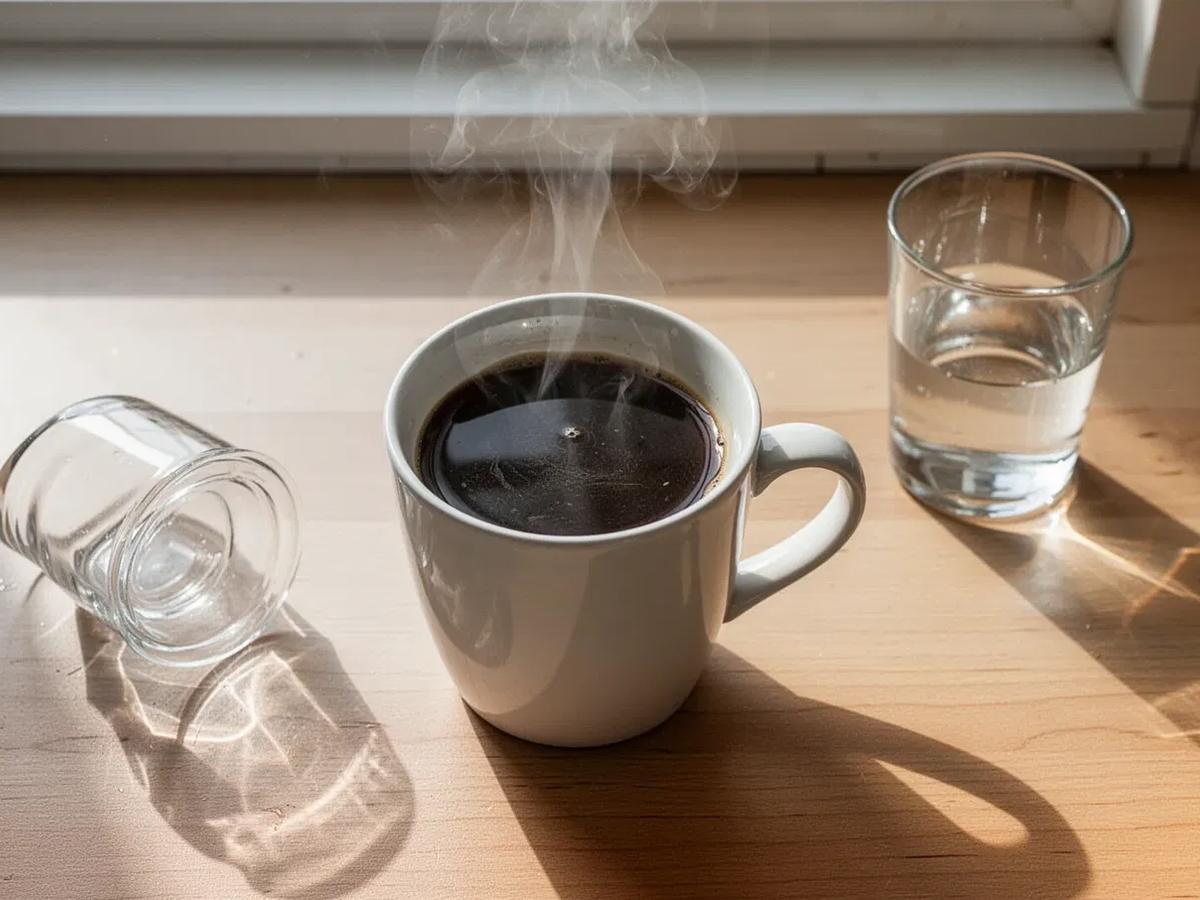
Yes. Cup material, thickness, shape, and whether the cup has been preheated can all influence how quickly coffee cools.
Ceramic cups
Ceramic cups are popular in cafés because they feel comfortable to hold and provide a familiar coffee-drinking experience.
However, a cool ceramic cup can absorb some heat from freshly brewed coffee. Preheating the cup with warm water before brewing can reduce this initial temperature loss.
Glass cups
Glass cups allow you to see the color and layers of your coffee, making them especially attractive for espresso, iced coffee, and Vietnamese coffee.
Their thermal performance depends on the type and thickness of the glass. A thin glass cup may cool quickly, while double-walled glass can provide better insulation.
Stainless steel cups
Stainless steel mugs, particularly insulated models, can keep coffee warm for considerably longer than ordinary single-wall cups.
They are useful for commuting, working at a desk, or enjoying coffee slowly throughout the morning.
The takeaway: There is no single best cup for every situation. Choose one based on how you drink coffee, how long you want it to stay warm, and the experience you enjoy.
3. Why Preheating Your Cup Makes a Difference
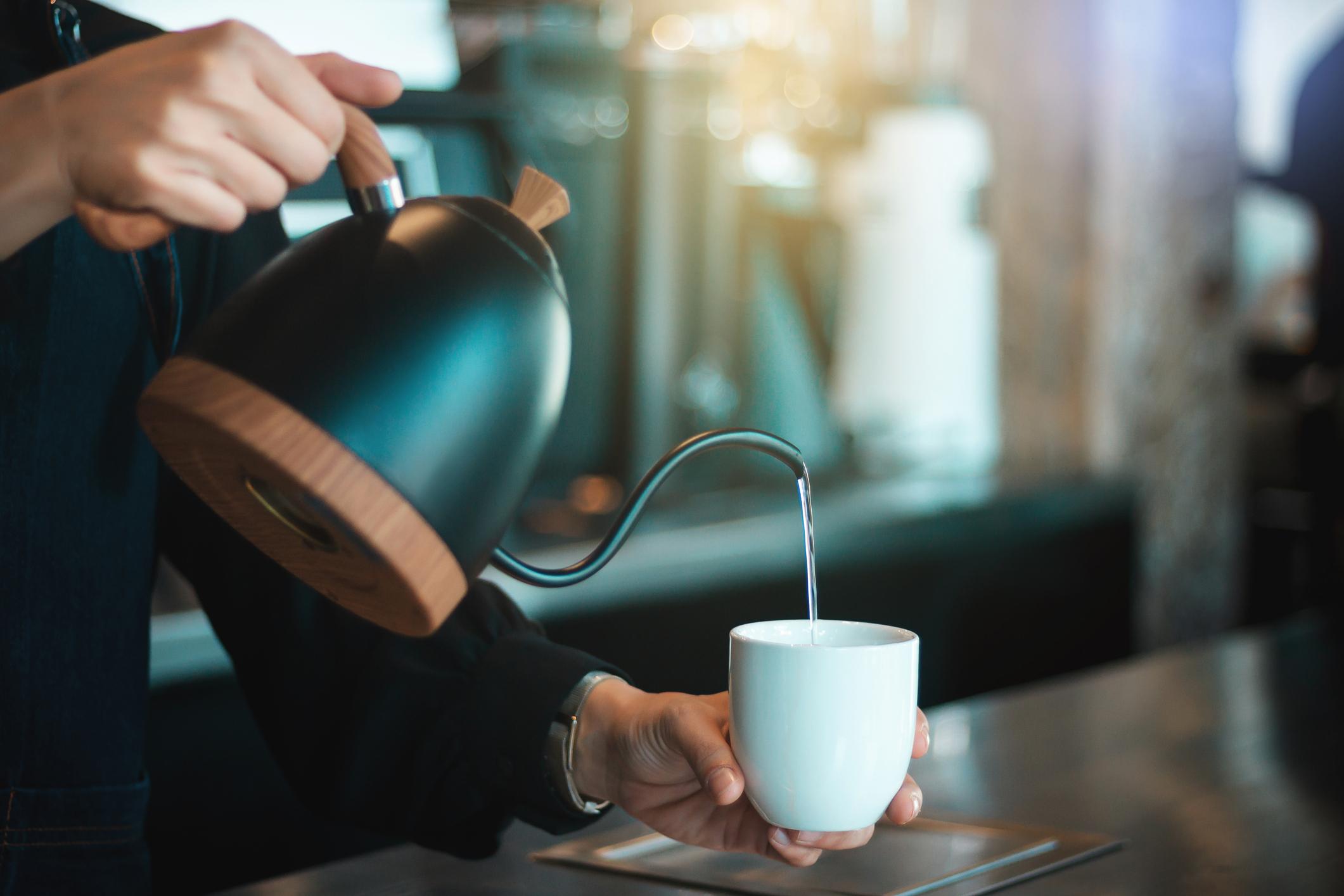
One simple habit can help your coffee stay warm longer: preheat the cup before pouring.
When hot coffee enters a cold cup, some of its heat is transferred to the cup until their temperatures move closer together.
Warming the cup beforehand reduces that temperature difference, so less heat is lost during the initial pour.
Here is an easy method:
-
Pour hot water into your empty cup.
-
Let it sit briefly while your coffee finishes brewing.
-
Empty the water carefully.
-
Pour in your freshly brewed coffee.
This method is especially useful when serving pour-over coffee, espresso, or a carefully prepared cup of Cầu Đất Arabica.
Be careful when handling hot water, and make sure your cup is designed to withstand the temperature.
4. Does a Larger Cup Keep Coffee Hot Longer?
Not necessarily. What matters is the relationship between the amount of coffee, the cup's exposed surface area, and the surrounding environment.
A larger serving may contain more thermal energy, which can help it cool more slowly under some conditions. However, a wide, shallow cup exposes more coffee to the air and may lose heat more quickly than a narrower cup.
A small espresso in a thick, preheated cup behaves differently from a large pour-over in a wide mug.
If you prefer to drink coffee slowly, consider using a moderately sized cup rather than brewing a large amount that sits untouched for a long time.
For the best results, brew an amount that matches your drinking habits.
5. Does Room Temperature Affect Your Coffee?
Absolutely.
Coffee generally cools faster in a cold environment than in a warm one, assuming other conditions remain similar.
Air movement also matters. A cup placed near an open window, a fan, or an air conditioner may lose heat more quickly because moving air increases convective heat transfer.
Humidity can also influence evaporation, although its effect depends on the surrounding conditions.
If you want to enjoy hot coffee for longer:
-
Keep your cup away from strong drafts.
-
Use an insulated mug when working in an air-conditioned room.
-
Preheat your cup before brewing.
-
Consider a lid if you need to step away briefly.
These small adjustments can be especially useful on cool mornings in Đà Lạt, when a warm cup of coffee feels particularly comforting.
6. Does Coffee Taste Different as It Cools?
Yes. Coffee's perceived flavor changes as its temperature changes.
When coffee is very hot, some aromas may be harder to perceive, and the heat itself can dominate your sensory experience.
As the coffee cools to a comfortable drinking temperature, you may notice more detail in its aroma, sweetness, acidity, and overall balance.
For example, a cup of high-altitude Cầu Đất Arabica may reveal floral, fruity, or sweet characteristics more clearly as it cools, depending on the coffee lot and brewing method.
This is one reason professional coffee tasters evaluate coffee at different stages of cooling rather than judging it from the first hot sip alone.
However, letting coffee cool does not automatically improve its flavor. The ideal drinking temperature depends on the coffee, your preferences, and how it was brewed.
7. Should You Reheat Coffee That Has Gone Cold?
Reheating coffee is possible, but the result may not taste exactly like a freshly brewed cup.
When coffee sits for a long time, its aroma changes through continued interaction with oxygen and the surrounding environment. Reheating can also create uneven temperatures or make the coffee unpleasantly hot.
If you need to reheat a cup, warm it gently and avoid repeatedly heating and cooling the same serving.
For a better experience, brew a smaller, fresh serving when possible.
If you regularly get distracted while working, an insulated mug with a lid may be more useful than repeatedly reheating your coffee.
8. How to Keep Vietnamese Phin Coffee Warm Longer
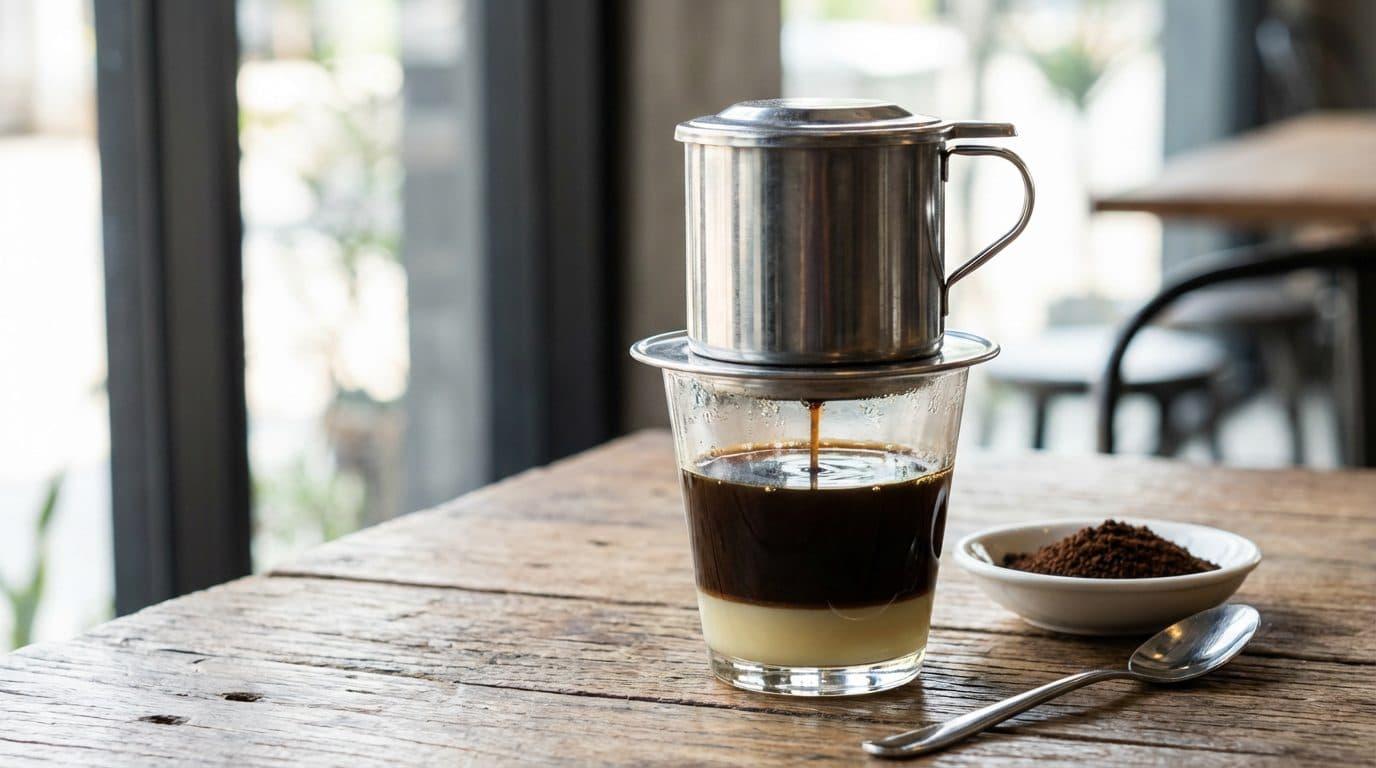
Vietnamese phin coffee is often enjoyed slowly, whether served black or with condensed milk.
Because the brewing process takes time and the drink is frequently served in a glass, it can lose heat while you prepare other parts of your morning routine.
Try these practical tips:
Warm the serving glass. Use warm water to preheat a heat-safe glass before brewing, then empty it carefully.
Prepare your ingredients first. Have your condensed milk, spoon, and other ingredients ready before the coffee finishes dripping.
Choose a suitable serving vessel. A thicker, heat-safe cup may retain heat better than a thin glass, depending on its construction.
Enjoy the coffee soon after brewing. Aroma and flavor are often most expressive when the coffee is freshly prepared, although the ideal drinking temperature varies.
If you prefer cà phê sữa đá, the goal is different: the ice intentionally cools the coffee and changes its concentration as it melts. For iced coffee, focus on balancing the coffee strength and ice quantity rather than retaining heat.
Enjoy Every Cup at Its Best
Coffee temperature is influenced by more than the brewing process. The cup you choose, the room around you, and the time between brewing and drinking all affect the experience.
A preheated ceramic cup, a suitable insulated mug, or simply brewing a smaller serving can help you enjoy hot coffee for longer.
At the same time, do not rush to drink your coffee while it is extremely hot. Allowing it to cool to a comfortable temperature can help you appreciate its aroma and flavor more clearly.
The next time you prepare a cup of coffee, pay attention to how it changes from the first sip to the last. You may discover new details in a coffee you thought you already knew.
Discover Vietnamese Coffee with Cau Dat Bean
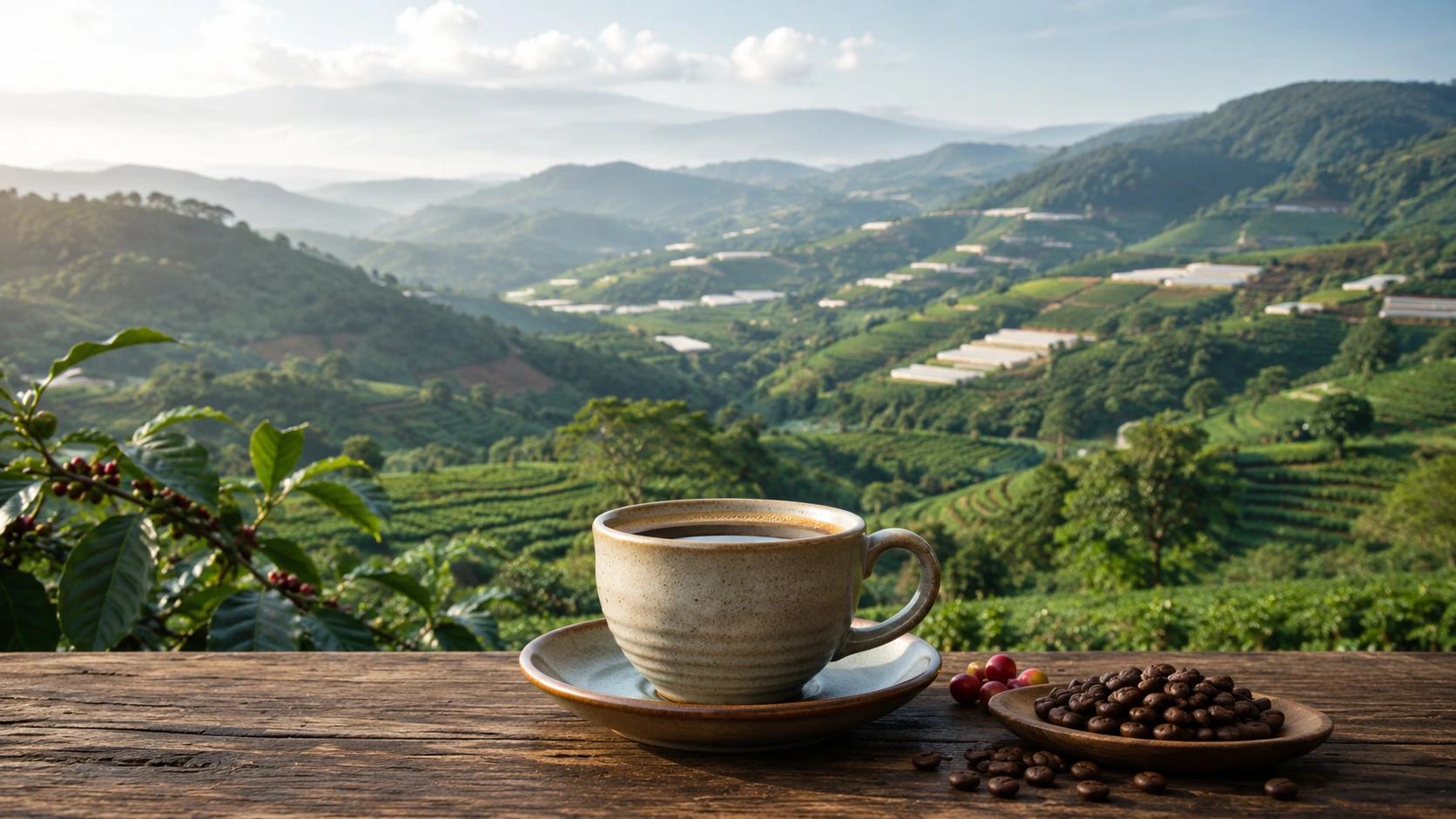
From the highlands of Đà Lạt to your daily coffee routine, every cup offers an opportunity to discover something new.
Cau Dat Bean supplies Vietnamese coffee for coffee lovers, cafés, roasters, and wholesale buyers looking to explore different origins and flavor profiles.
Visit our showroom to learn more about our coffee selection.
Showroom: 82B Trương Công Định, Phường Xuân Hương, Đà Lạt, Lâm Đồng, Vietnam
Phone / WhatsApp: +84 926 915 849
Email: caudatbean@gmail.com
Try before you buy.
Frequently Asked Questions
Why does coffee cool down so quickly?
Coffee loses heat through conduction, convection, and evaporation. The cup material, serving size, room temperature, and air movement all affect the cooling rate.
Does preheating a coffee cup really help?
Yes. Preheating reduces the amount of heat transferred from the coffee into a cold cup during the initial pour.
Which cup keeps coffee hot the longest?
A well-designed vacuum-insulated mug generally retains heat better than an ordinary single-wall ceramic or glass cup.
Does coffee taste better when it cools down?
Some flavors and aromas may become easier to perceive as coffee cools. The ideal drinking temperature depends on the coffee and personal preference.
Can I reheat coffee after it becomes cold?
Yes, but reheating may not restore the original aroma and flavor. For the best experience, brew a fresh serving when practical.


 Group4, Cau Dat Village, Xuan Truong commune, Da Lat City, Lam Dong Province, Vietnam
 +84 783 472 234
 caudatbean@gmail.com
 www.caudatbean.com