
What Is Coffee Parchment? Understanding the Layer Between Cherry and Green Bean
When people talk about coffee, they usually think about roasted beans, green coffee, or the coffee cherry.
But between the coffee cherry and the green bean, there is another important layer that is often overlooked:
Coffee parchment.
Parchment plays an important role in many coffee processing methods, especially washed and honey coffees.
So what exactly is coffee parchment?
Where does it come from?
And why does it matter to coffee producers, green coffee buyers, and roasters?
Let's take a closer look.
What Is Coffee Parchment?
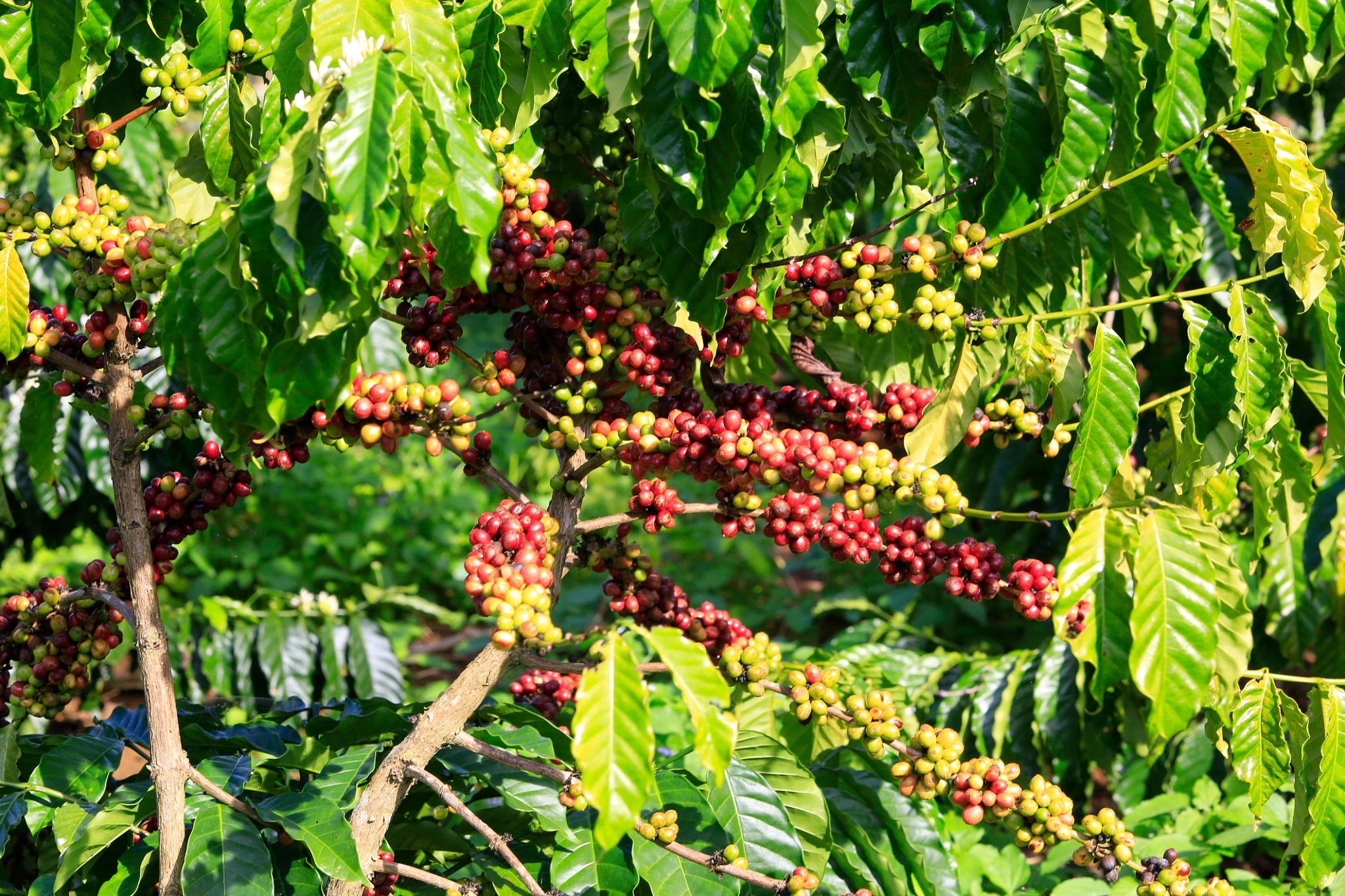
Coffee parchment is the thin, protective layer that surrounds the coffee seed after the outer fruit and some of the inner layers have been removed during processing.
When coffee is harvested, the seed is not immediately a clean green bean.
It passes through several stages before becoming the green coffee that roasters purchase.
A simplified journey looks like this:
Coffee Cherry → Processing → Parchment Coffee → Drying → Hulling → Green Coffee → Roasting
The parchment layer acts as a natural protective covering around the coffee seed during drying and storage before the coffee is hulled.
What Does Coffee Parchment Look Like?
Fresh green coffee beans are usually green, blue-green, or yellowish depending on the coffee and its condition.
Parchment coffee looks different.
The parchment layer is typically light beige or pale yellow and has a thin, papery appearance.
Inside the parchment is the coffee seed.
This is why parchment coffee can sometimes look quite different from the green coffee beans that roasters are familiar with.
The bean is still there.
It is simply protected by another layer.
Where Does Parchment Come From?
To understand parchment, it helps to understand the structure of a coffee cherry.
A coffee cherry contains several layers.
From the outside moving inward, we can simplify the structure as:
Skin → Pulp → Mucilage → Parchment → Silver Skin → Seed
The coffee seed is what eventually becomes the green coffee bean.
The parchment is therefore one of the layers directly surrounding the seed.
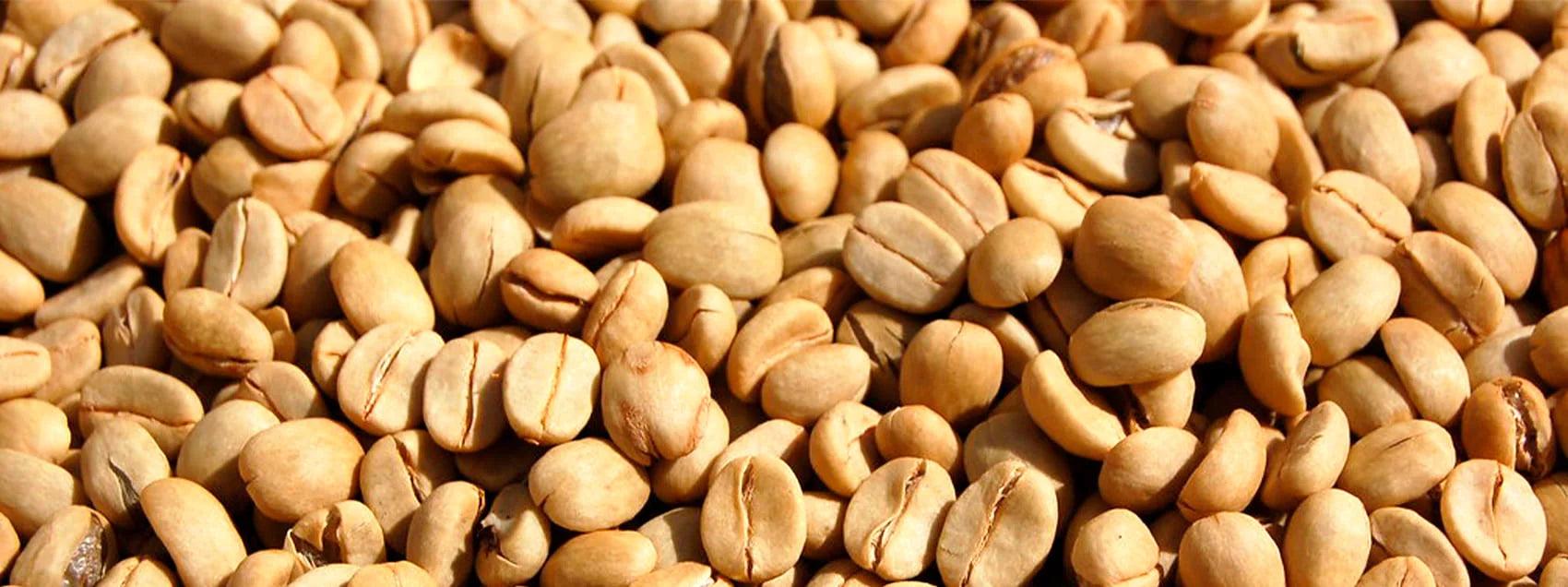
During processing, the outer parts of the cherry are removed to expose the coffee seed while keeping the parchment around it during drying.
Why Is Parchment Important?
Parchment provides physical protection for the coffee seed during drying.
This is particularly useful because drying is one of the most important stages in coffee processing.
Coffee cherries contain a large amount of moisture when they are harvested.
The coffee must be dried carefully to reach a stable moisture level suitable for storage.
During this period, the parchment helps protect the coffee seed from physical damage and environmental exposure.
The goal is to dry the coffee gradually and evenly.
Parchment and Washed Coffee
Parchment is particularly familiar in washed coffee processing.
In a typical washed process, ripe coffee cherries are:
-
Harvested
-
Sorted
-
Depulped
-
Fermented or mechanically cleaned
-
Washed
-
Dried
After the fruit and mucilage are removed, the coffee seed remains inside its parchment layer.
The coffee is then dried while still in parchment.
Once the coffee reaches the appropriate condition, the parchment is removed during hulling.
The result is green coffee ready for sorting, grading, storage, and eventually roasting.
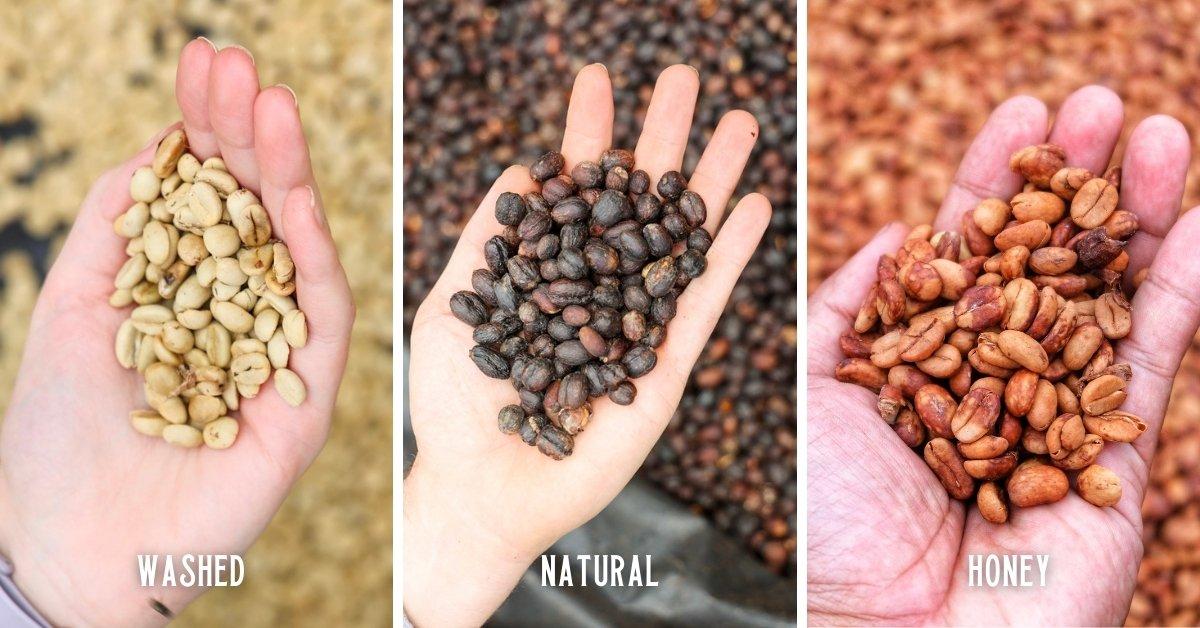
What About Honey Processed Coffee?
Honey processing also produces parchment coffee.
In honey processing, some or all of the mucilage remains on the coffee during drying.
The coffee seed is still protected by the parchment layer.
The difference is what remains on the outside of the parchment during drying.
This creates different drying environments and can contribute to differences in the final cup profile.
Honey coffees can often show a combination of sweetness, body, fruit characteristics, and clarity depending on the specific processing approach.
What About Natural Processed Coffee?
Natural processing is slightly different.
In a natural process, the entire coffee cherry is dried with the fruit still surrounding the coffee seed.
The coffee seed is therefore not exposed in the same way as in washed processing during the early stages of drying.
Once the cherry is fully dried, the outer fruit layers are removed during hulling.
Parchment is still part of the structure surrounding the seed, but the drying process is different from washed and honey coffees.
This difference in processing can have a significant influence on the final coffee.
Parchment and Drying
Drying is one of the most important steps after harvesting.
The objective is not simply to make coffee “dry.”
The coffee needs to reach a stable moisture level while maintaining its quality.
If drying is too fast, too slow, or uneven, quality problems can develop.
Factors such as:
-
Temperature
-
Humidity
-
Airflow
-
Sunlight
-
Drying surface
-
Layer thickness
-
Turning frequency
can all influence the drying process.
The producer therefore needs to carefully monitor the coffee during this stage.
Why Even Drying Matters
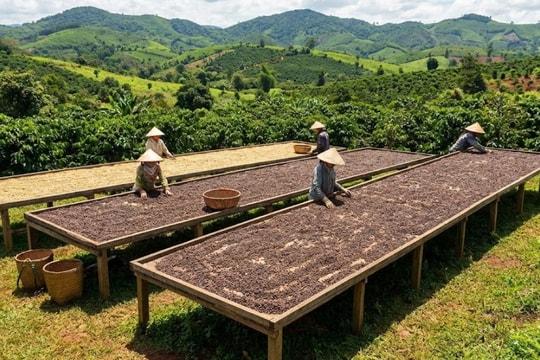
Imagine a large quantity of coffee being dried.
The outer beans may dry faster than the beans underneath.
Some areas may receive more sunlight.
Other areas may remain cooler or more humid.
If the coffee is not moved and monitored properly, moisture levels can become uneven.
Uneven drying can create problems later during storage and roasting.
This is why careful drying is an important part of quality control.
Parchment and Green Coffee Quality
Parchment itself is not a measure of cup quality.
However, proper handling of parchment coffee during drying and storage is important for maintaining the quality of the coffee inside.
This is an important distinction.
You cannot simply look at a parchment layer and decide whether a coffee will taste good.
Instead, parchment is part of the processing system that helps protect the coffee while it develops into stable green coffee.
Ultimately, quality depends on the entire chain:
Variety + Growing Conditions + Harvesting + Processing + Drying + Storage + Roasting
When Is the Parchment Removed?
The parchment is normally removed during a process called hulling.
Hulling separates the dry parchment from the coffee seed.
After hulling, the coffee becomes what buyers recognize as green coffee.
The beans can then go through additional steps such as:
-
Cleaning
-
Screening
-
Density sorting
-
Color sorting
-
Hand sorting
-
Grading
-
Packaging
The coffee is now ready for commercial storage, transportation, export, and roasting.
What Is Parchment Coffee?
You may sometimes hear the term parchment coffee.
This simply refers to coffee that has been dried while the coffee seed is still protected by its parchment layer.
It is an intermediate stage between processed coffee and fully hulled green coffee.
For coffee producers, parchment coffee is an important stage in post-harvest handling.
For coffee buyers, understanding this stage provides a better picture of what happens before the coffee arrives at a warehouse or roastery.
Parchment vs Green Coffee
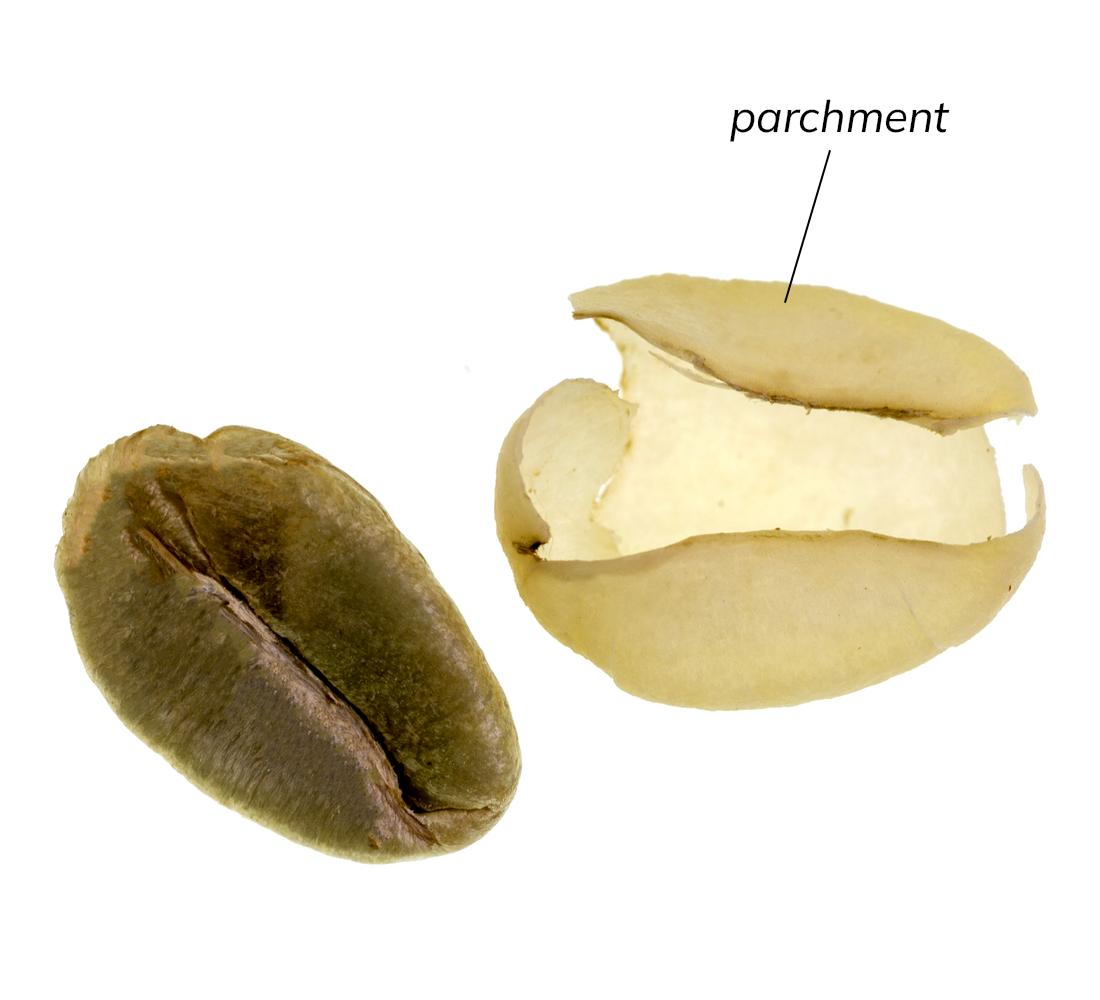
These two terms are sometimes confused.
But they describe different stages.
Parchment Coffee
The coffee seed is still covered by its parchment layer.
It has generally been dried after processing but has not yet been fully hulled.
Green Coffee
The parchment has been removed.
The coffee seed is now exposed and ready for further preparation, grading, storage, export, or roasting.
So:
Parchment coffee comes before green coffee.
Why Should Green Coffee Buyers Care?
If you are buying green coffee, you may never physically handle parchment coffee.
But understanding how the coffee reached its green form can help you evaluate the supplier and processing system behind the lot.
For example, buyers may want to understand:
-
How was the coffee processed?
-
How was it dried?
-
How long did drying take?
-
Was the coffee dried on raised beds or patios?
-
How was moisture monitored?
-
How was the coffee stored before hulling?
-
How was the green coffee sorted?
These questions become especially important when sourcing specialty coffee.
Parchment and Specialty Coffee
Specialty coffee is often discussed in terms of flavor.
But flavor begins long before roasting.
The quality of the coffee depends on many decisions made after harvesting.
Careful processing.
Careful drying.
Proper storage.
Good sorting.
Each stage helps preserve the potential of the coffee.
Parchment is one small but important part of this process.
It reminds us that a coffee bean is not simply something that appears after harvesting.
There is a long transformation between the coffee cherry and the green bean.
From Coffee Cherry to Cau Dat Green Coffee
In the highlands of Da Lat, coffee cherries go through a carefully managed journey before becoming green coffee.
The journey begins in the field.
Coffee cherries develop under the conditions of the Cau Dat highlands.
After harvesting, the cherries are processed according to the intended coffee profile.
Depending on the lot, processing may include washed, honey, or natural methods.
The coffee is then dried and prepared for further quality control.
Eventually, the parchment is removed and the coffee becomes green bean.
At this stage, buyers can evaluate specifications such as:
-
Variety
-
Processing method
-
Screen size
-
Moisture
-
Defects
-
Density
-
Cup profile
This is the stage where the coffee is ready to meet the roaster.
Why Processing Matters So Much
The coffee seed itself does not change into a completely different plant after harvesting.
But everything surrounding it changes.
The fruit is removed.
The coffee is dried.
Moisture decreases.
The parchment is removed.
The green bean is sorted.
Then the roaster applies heat.
Each stage influences what eventually appears in the cup.
This is why two coffees from the same region can taste very different.
The variety may be different.
The harvest may be different.
The processing may be different.
The drying may be different.
And the roasting may be different.
Parchment Is Part of the Coffee's Journey
Coffee parchment is easy to overlook because consumers rarely see it.
By the time coffee reaches a café or home brewer, the parchment is long gone.
But it plays an important role in the journey from coffee cherry to green bean.
It is part of the natural structure of the coffee seed and part of the post-harvest process that protects the bean during drying.
Understanding this layer gives coffee professionals a better appreciation of what happens before roasting.
Discover Vietnamese Coffee with Cau Dat Bean
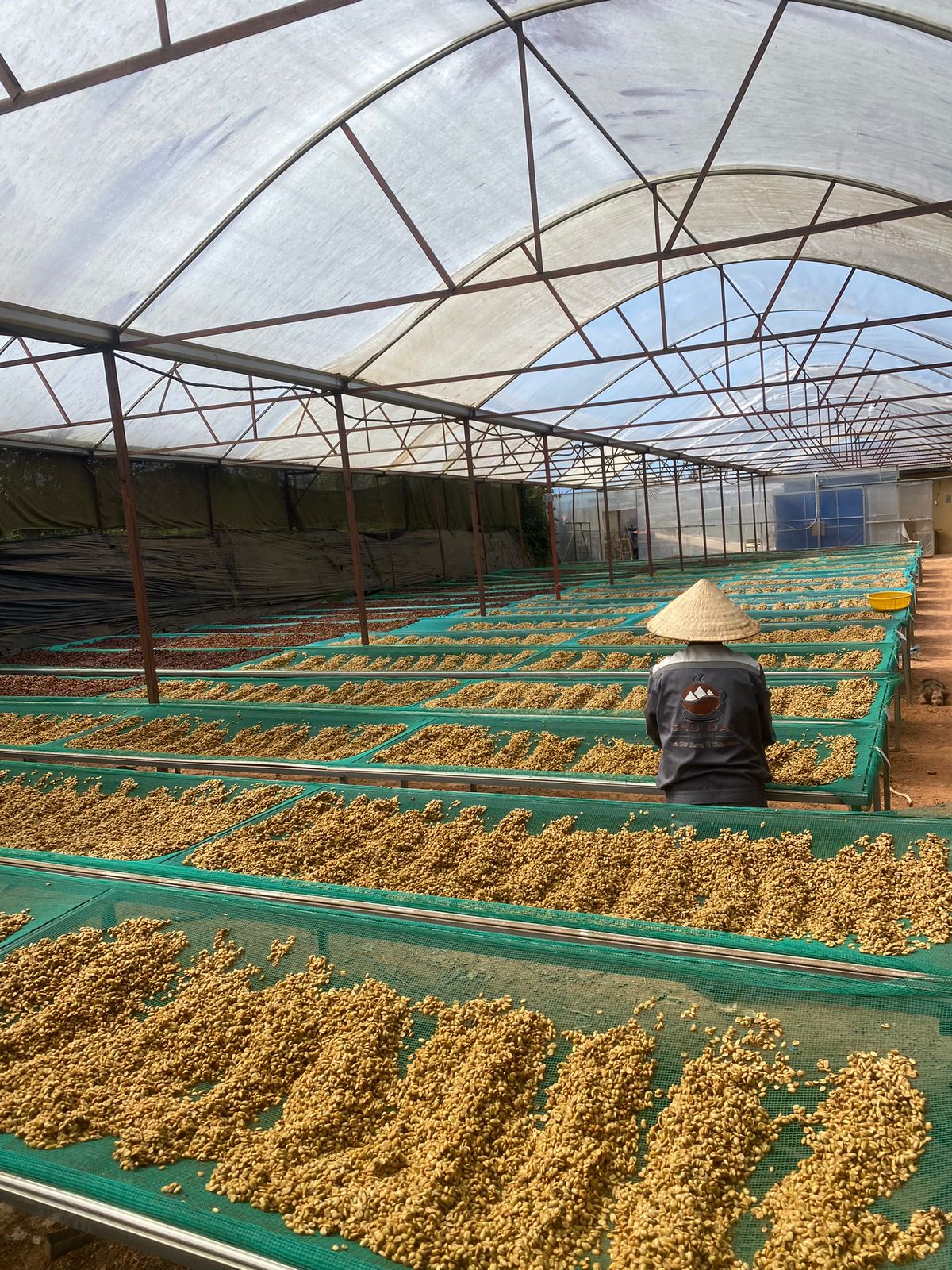
At Cau Dat Bean, we work with Vietnamese coffee from the highlands of Da Lat, including Arabica from the Cau Dat area.
Our coffee portfolio includes different varieties and processing methods, allowing buyers and roasters to explore how origin and processing influence the final cup.
For international buyers, we provide information about the coffee's origin, variety, processing, physical specifications, and quality according to each available lot.
Because sourcing good coffee is not only about buying beans.
It is about understanding where those beans came from and what happened to them before they reached the roasting room.
Final Thoughts
The next time you look at a green coffee bean, remember that it did not begin its journey as a green bean.
It began as a coffee cherry.
After harvesting, the cherry was processed.
The coffee seed was dried.
During this stage, the parchment helped protect the seed.
Later, the parchment was removed.
The coffee became green bean.
Then it traveled to a roaster.
And finally, heat transformed it into the coffee we drink.
Coffee Cherry → Parchment → Green Coffee → Roasted Coffee → Your Cup
Every stage matters.
And sometimes, understanding the smallest layer can help us appreciate the entire journey.
Frequently Asked Questions
What is coffee parchment?
Coffee parchment is the thin protective layer surrounding the coffee seed after the outer fruit has been removed during processing.
Is parchment the same as green coffee?
No. Parchment coffee still has its protective parchment layer. Green coffee has been hulled and the parchment has been removed.
Why is coffee dried in parchment?
The parchment helps protect the coffee seed during drying and handling after processing.
Which coffee processes produce parchment coffee?
Washed and honey processed coffees are commonly dried in parchment. Natural coffees follow a different drying process because the whole coffee cherry remains around the seed.
When is parchment removed from coffee?
Parchment is normally removed during hulling after the coffee has been sufficiently dried and stabilized.
Does parchment affect coffee flavor?
Parchment itself is not a flavor characteristic. However, the way coffee is processed and dried while in parchment can influence the condition of the green coffee and ultimately the cup.
Why should coffee buyers understand parchment?
Understanding parchment helps buyers understand what happens between harvesting and the final green coffee. It provides useful context when evaluating processing, drying, storage, and quality control.
What happens after parchment is removed?
After hulling, the coffee becomes green coffee and may be cleaned, sorted, graded, screened, packaged, stored, exported, and eventually roasted.


 Group4, Cau Dat Village, Xuan Truong commune, Da Lat City, Lam Dong Province, Vietnam
 +84 783 472 234
 caudatbean@gmail.com
  www.caudatbean.com