
What Is Coffee Chaff? The Lightest Byproduct of Coffee Roasting
When coffee beans are roasted, most people pay attention to the color, aroma, crack, and flavor of the beans.
But there is another part of the roasting process that is easy to overlook.
It is light, dry, and almost paper-like.
It can collect around the roasting machine, float through the air, or gather in a chaff collector.
This material is called coffee chaff.
Although coffee chaff is only a small part of the roasting process, it tells us something interesting about how a coffee bean changes when exposed to heat.
So, what exactly is coffee chaff?
Where does it come from?
And what can roasters do with it?
What Is Coffee Chaff?
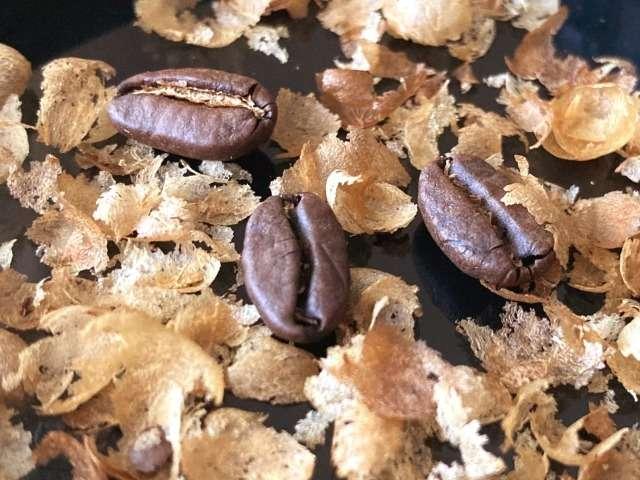
Coffee chaff is the thin, lightweight layer that separates from the coffee bean during roasting.
It mainly comes from the silverskin, a very thin layer that naturally surrounds the coffee seed.
Green coffee beans have several protective layers around them. During processing, some outer layers are removed, but a fine inner layer called silverskin remains attached to the bean.
When the coffee is roasted, the heat causes the bean to expand and the silverskin to loosen.
As the bean continues moving inside the roaster, the loosened material separates and becomes what we commonly call coffee chaff.
In simple terms:
Green coffee → roasting → bean expands → silverskin loosens → chaff separates
Where Does Coffee Chaff Come From?
Coffee chaff begins with the natural structure of the coffee seed.
Before roasting, a green coffee bean is protected by several layers that develop as part of the coffee fruit.
By the time green coffee reaches the roaster, most of the outer fruit-related layers have already been removed through processing.
However, the thin silverskin remains.
During roasting, heat changes the physical structure of the bean.
The bean expands.
Its color changes.
Its internal structure becomes more porous.
At the same time, the silverskin becomes dry and brittle.
It then separates from the bean and is collected as chaff.
Why Does Coffee Chaff Separate During Roasting?
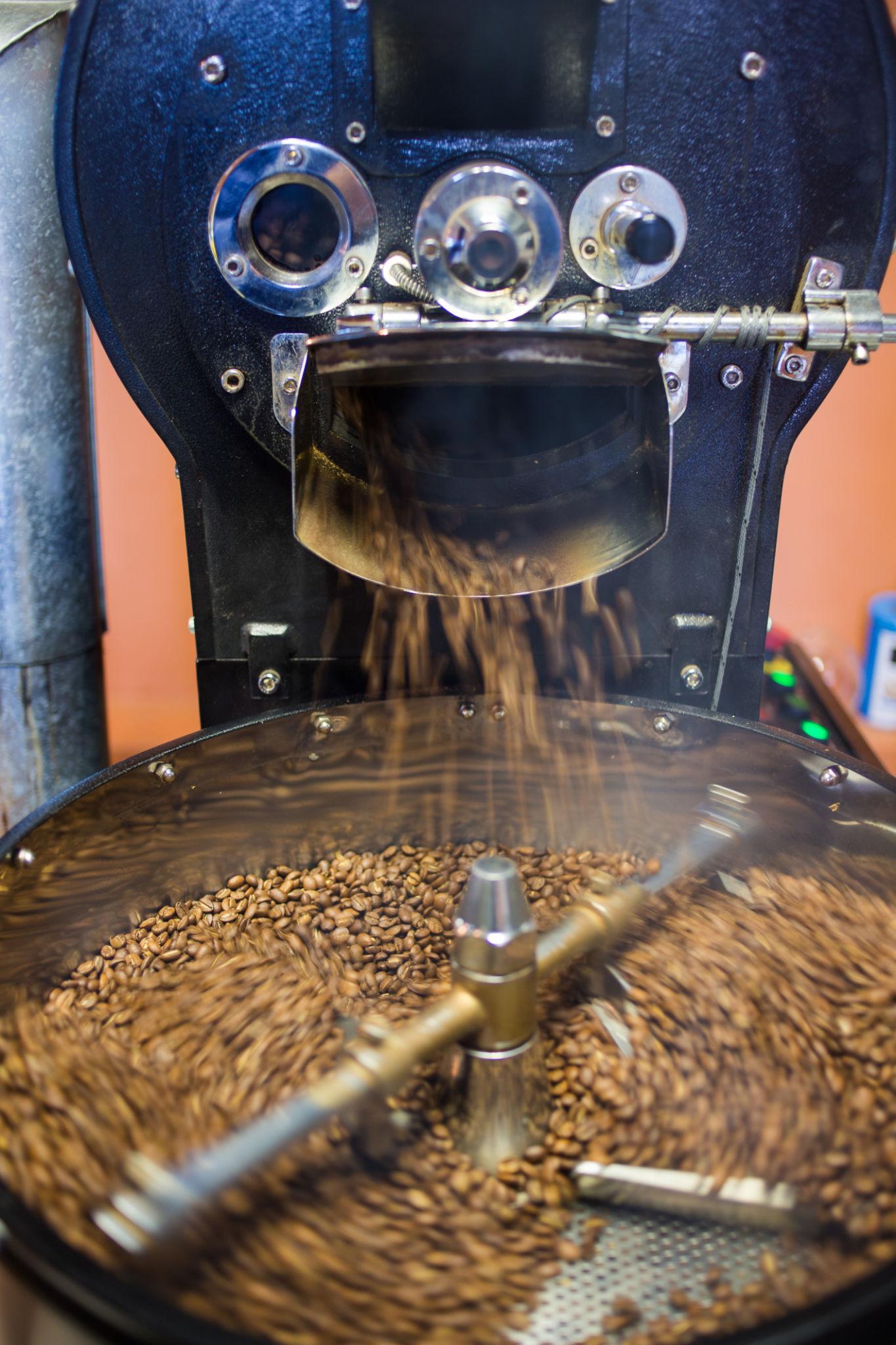
Roasting creates significant physical changes inside the coffee bean.
As temperature increases, moisture leaves the bean and gases are produced.
The bean expands and its structure becomes increasingly fragile.
The silverskin cannot expand in the same way as the coffee bean itself.
As the bean moves and cracks inside the roaster, the silverskin breaks away.
This is why chaff is often seen floating around the roasting chamber or collecting in a dedicated chaff container.
The exact amount can vary from one coffee to another.
Does Every Coffee Produce the Same Amount of Chaff?
No.
Different coffees can produce different amounts of chaff.
Factors that may influence chaff production include:
-
Coffee variety
-
Bean structure
-
Processing method
-
Moisture content
-
Density
-
Roast profile
-
Roasting conditions
The physical characteristics of green coffee can influence how the silverskin behaves during roasting.
This means that two coffees roasted under similar conditions may not produce exactly the same amount of chaff.
Experienced roasters often become familiar with how different coffees behave inside their machines.
Is Coffee Chaff a Sign of Good or Bad Coffee?
Not by itself.
The amount of chaff does not provide a simple measurement of coffee quality.
A coffee producing more chaff is not automatically better.
Likewise, a coffee producing less chaff is not automatically lower quality.
Chaff is primarily a natural byproduct of roasting.
To evaluate coffee quality, roasters need to look at many other factors, including:
-
Green coffee quality
-
Defect levels
-
Variety
-
Origin
-
Processing
-
Moisture
-
Density
-
Roast development
-
Aroma
-
Flavor
-
Cup quality
Chaff is one small part of the roasting process rather than a quality score.
What Does Coffee Chaff Look Like?
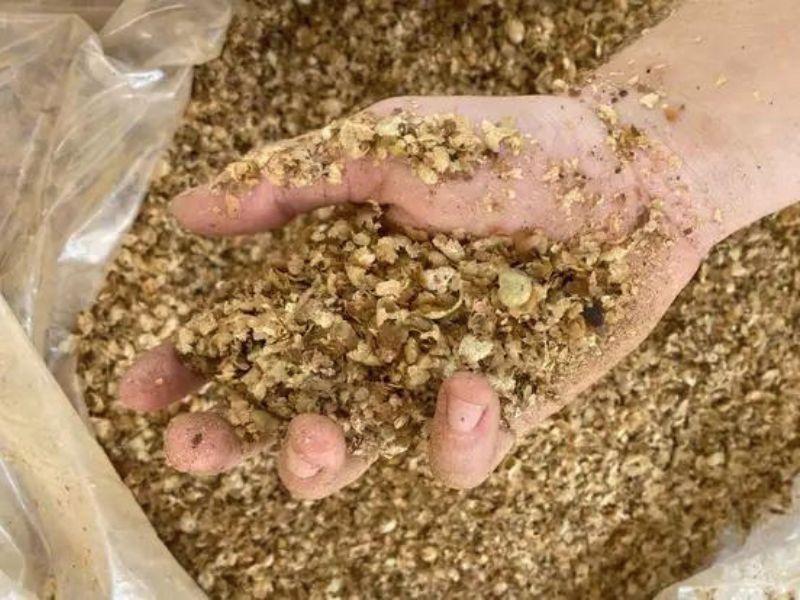
Coffee chaff is extremely light.
It often looks like tiny pieces of dry, pale brown or golden-colored paper.
Depending on the coffee and roast, its appearance can vary.
Because it is so lightweight, even a small amount of air movement can cause chaff to move around the roasting area.
This is why commercial and specialty coffee roasters normally use a chaff collection system.
Without proper collection, the material can spread around the roasting environment.
What Happens to Chaff During Roasting?
As roasting progresses, the chaff gradually separates from the beans.
The process is particularly noticeable as the beans expand and develop their roasted structure.
The roaster's airflow helps carry the lightweight chaff away from the beans.
Meanwhile, the heavier coffee beans remain inside the roasting chamber.
This difference in weight makes it possible to separate the chaff from the roasted coffee.
In many roasting machines, the airflow carries the chaff into a collection chamber.
The roasted beans continue through the roasting process.
Why Do Roasters Collect Coffee Chaff?
Collecting chaff helps keep the roasting environment cleaner and more controlled.
Chaff is extremely light and can easily become airborne.
If it is not collected properly, it can accumulate around equipment and work areas.
Chaff collection also makes it easier for roasters to handle this byproduct instead of allowing it to become general waste.
For professional roasting facilities, managing byproducts is part of maintaining an efficient production environment.
Does Coffee Chaff Affect the Flavor of Coffee?
Chaff itself is not normally considered a major flavor component in the finished roasted coffee.
The goal of roasting is to develop the coffee bean while separating the loosened silverskin.
However, roasting conditions, airflow, heat application, and bean movement all interact during the roast.
For this reason, chaff management is part of the overall roasting environment.
The important point is that coffee flavor comes primarily from the development of compounds inside the bean during roasting, rather than from the chaff itself.
Coffee Chaff and First Crack
Coffee chaff is sometimes discussed together with first crack, but they are not the same thing.
First crack is a stage in roasting when pressure inside the coffee bean causes an audible cracking sound.
The bean expands and releases gases.
Chaff separation, meanwhile, is related to the silverskin loosening and separating from the bean.
Both occur as the coffee undergoes major physical changes during roasting, but they represent different processes.
Understanding this distinction helps new roasters read what is happening inside the roasting machine.
Can Coffee Chaff Be Reused?
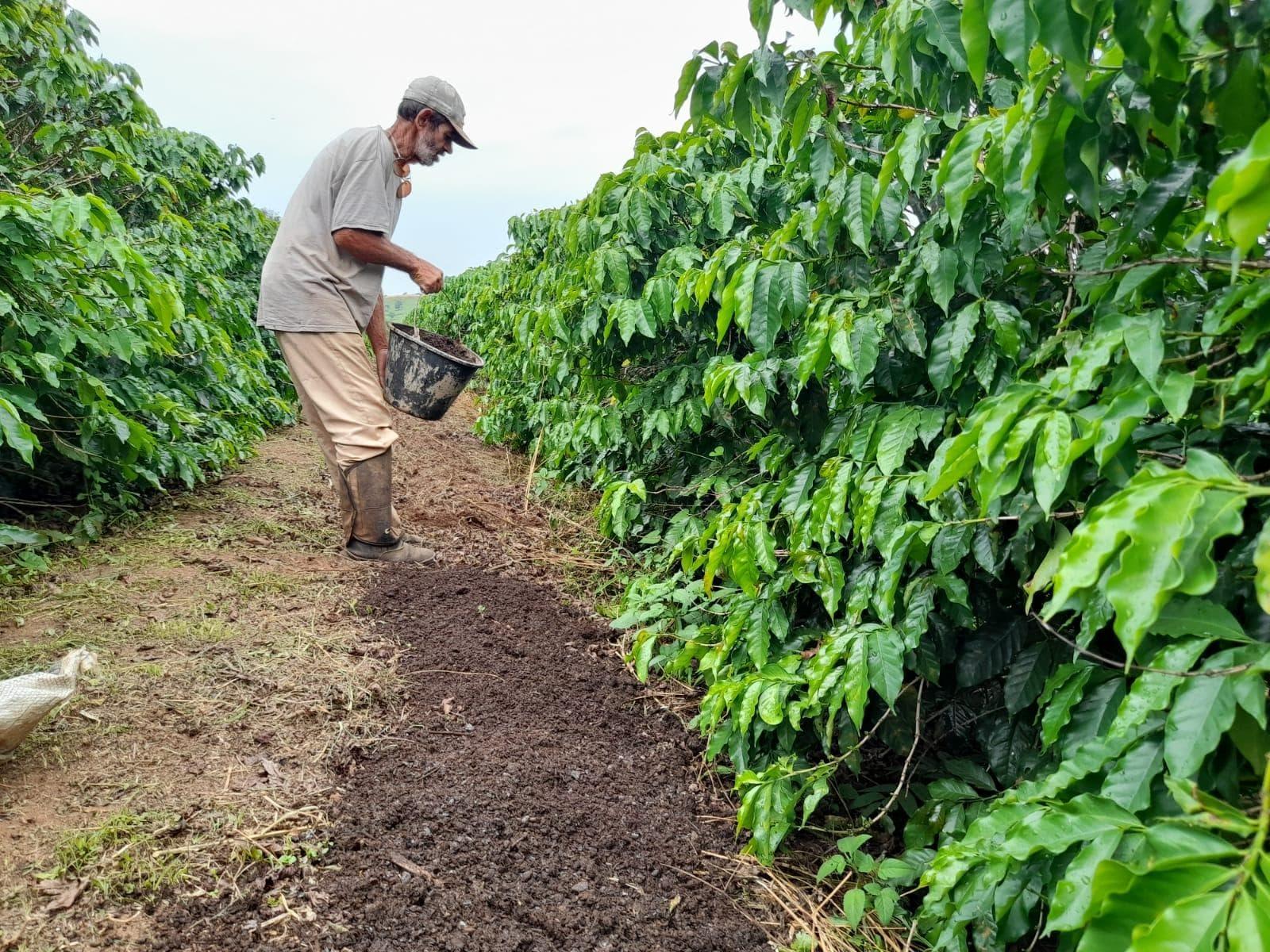
Yes.
Although coffee chaff is a roasting byproduct, it does not necessarily have to become waste.
Because it is plant-based material, some coffee producers and roasters explore ways to reuse it.
Potential uses include:
Composting
Chaff can be incorporated into composting systems together with other organic materials.
Soil Amendment
In some agricultural settings, coffee byproducts may be returned to the soil after appropriate treatment.
Mulching
Dry plant-based materials can sometimes be used as part of agricultural ground cover.
Biomass
Some larger coffee operations investigate coffee byproducts as potential biomass materials.
The appropriate use depends on local conditions, regulations, contamination risks, and how the material is processed.
Is Coffee Chaff the Same as Coffee Husk?
No.
This is an important distinction.
Coffee husk generally refers to material removed from the coffee fruit during certain dry or natural processing methods.
Coffee chaff, on the other hand, is associated with roasting and comes mainly from the silverskin surrounding the green coffee bean.
They come from different stages of the coffee supply chain.
A simple way to remember it is:
Coffee husk → processing
Coffee chaff → roasting
The terminology can vary across coffee-producing regions, so context is important.
Coffee Chaff in a Roastery
Inside a roasting facility, chaff is one of the visible signs that green coffee is becoming roasted coffee.
Before roasting, the beans are hard, green, and relatively dense.
After roasting, they become lighter in color or darker depending on the roast, larger in volume, more porous, and much more aromatic.
The appearance of chaff is part of that transformation.
For a roaster, watching the beans and understanding what is happening around them can provide useful information about the roast.
What Can Chaff Tell a Roaster?
Chaff is not a direct quality measurement, but it can still be part of the visual information a roaster observes.
Together with bean color, smell, sound, temperature, development time, and roast behavior, chaff can help the roaster understand how a coffee is progressing.
Experienced roasting is not based on one visual signal.
It involves observing several signals at the same time.
This is especially important because different coffees can behave differently under the same roasting conditions.
Coffee Chaff and Sustainable Roasting
Coffee sustainability is not only about what happens on the farm.
It can also include what happens during processing, transportation, roasting, packaging, and distribution.
Roasting creates several byproducts, and chaff is one of the easiest to see.
Finding practical ways to collect and reuse organic roasting byproducts can be part of a broader effort to reduce waste.
However, sustainability should be approached realistically.
Not every reuse method is suitable for every roastery.
The most appropriate solution depends on the volume of chaff, available infrastructure, local regulations, and the intended application.
From Green Bean to Roasted Bean
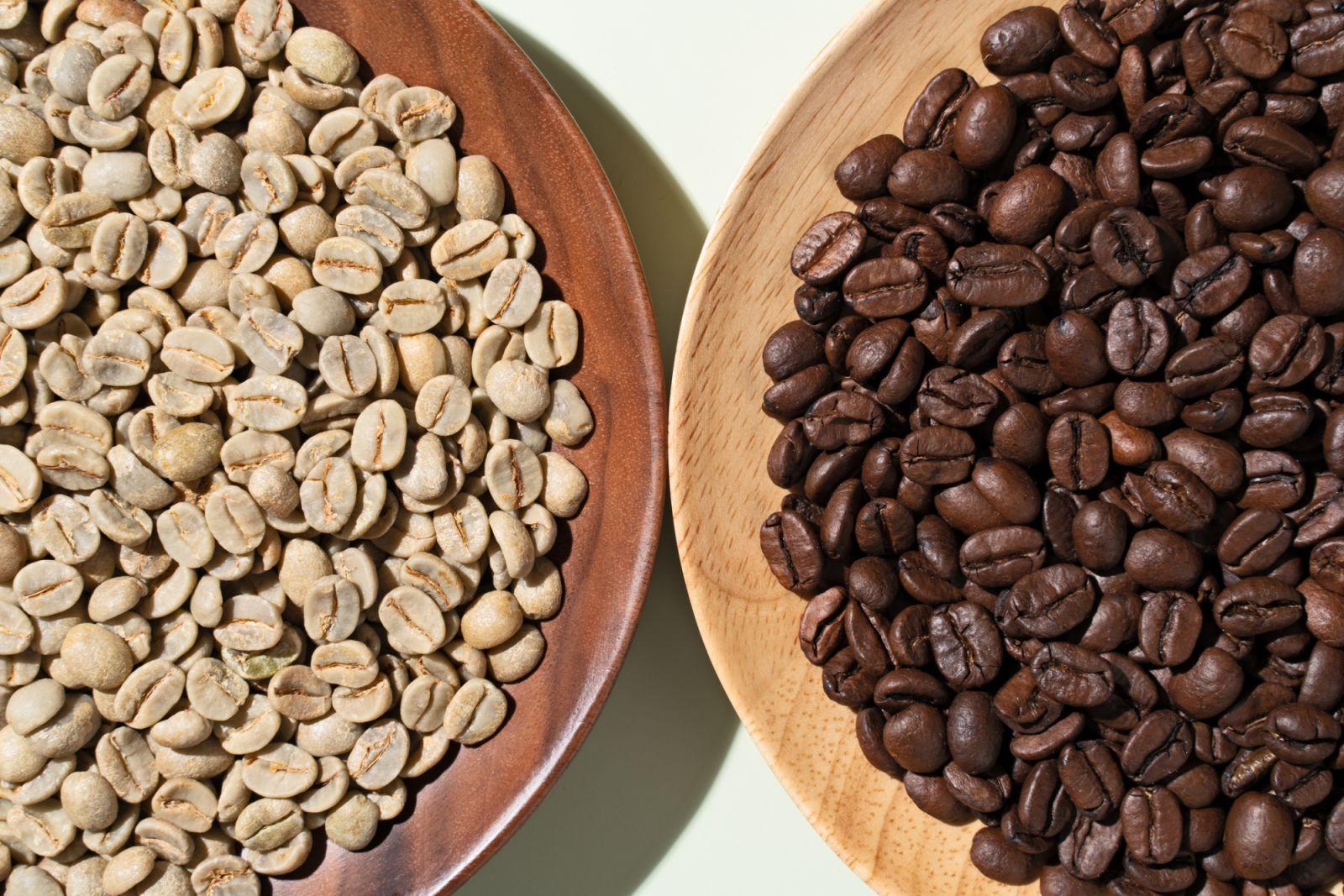
The transformation of coffee during roasting is remarkable.
A green coffee bean enters the roaster with characteristics shaped by:
-
Origin
-
Variety
-
Climate
-
Processing
-
Moisture
-
Density
Heat then transforms the bean.
Water is released.
The bean expands.
Its structure changes.
Aroma and flavor compounds develop.
The silverskin separates.
And the result is the roasted coffee bean that eventually reaches the grinder and brewer.
Coffee chaff is just one small reminder of how much happens before the first sip.
Coffee Chaff and Cau Dat Coffee
For highland Arabica such as coffee from Cầu Đất, the journey from green bean to roasted coffee involves careful attention to the characteristics of each lot.
Cầu Đất Arabica can come from different varieties and processing methods, meaning individual lots may behave differently during roasting.
For a roaster, understanding these physical changes helps build a more controlled roast profile.
The goal is not simply to roast the beans until they become brown.
The goal is to develop the characteristics already present in the green coffee while creating the aroma, sweetness, acidity, body, and flavor expected from the final roast.
Final Thoughts
Coffee chaff may look like a small and insignificant byproduct, but it tells an interesting story about coffee roasting.
It comes mainly from the silverskin surrounding the green coffee bean.
As the bean heats, expands, and changes structure, this thin layer separates and becomes chaff.
For roasters, collecting chaff helps maintain a cleaner roasting environment. For sustainability-minded producers, it can also represent an opportunity to explore ways of reusing an organic byproduct.
Most importantly, coffee chaff reminds us that roasting is a transformation process.
A green bean does not simply change color.
It changes physically, chemically, and aromatically.
And even the material that leaves the bean during roasting is part of that story.
Discover Cau Dat Bean
From highland green coffee to carefully roasted beans, every stage contributes to the character of the final coffee.
Explore Vietnamese coffee from Cầu Đất and discover the journey behind each roast.
Cau Dat Bean Showroom
📍 82B Truong Cong Dinh, Xuan Huong Ward, Da Lat, Lam Dong, Vietnam
📞 +84 926 915 849
📧 caudatbean@gmail.com
Try before you buy.
Frequently Asked Questions
What is coffee chaff?
Coffee chaff is the thin, lightweight material that separates from coffee beans during roasting. It mainly comes from the silverskin surrounding the green coffee bean.
Is coffee chaff the same as coffee husk?
No. Coffee husk is associated with coffee processing, while coffee chaff is primarily produced during roasting.
Is coffee chaff a sign of good coffee?
Not necessarily. The amount of chaff does not directly indicate coffee quality.
Can coffee chaff be reused?
Yes. Depending on local conditions and processing, chaff can potentially be composted, used in agricultural applications, or explored as biomass.
Does coffee chaff affect coffee flavor?
Chaff itself is not normally considered a major flavor component. The flavor of roasted coffee is primarily developed through the physical and chemical changes occurring inside the bean during roasting.
Why do roasters collect chaff?
Because chaff is very lightweight and can become airborne. Collecting it helps maintain a cleaner roasting environment and makes byproduct management easier.


 Group4, Cau Dat Village, Xuan Truong commune, Da Lat City, Lam Dong Province, Vietnam
 +84 783 472 234
 caudatbean@gmail.com
  www.caudatbean.com