
How Water Changes the Taste of Coffee: A Complete Brewing Guide
When brewing coffee, most people focus on the beans, grinder, and brewing method. But there is another ingredient that makes up most of every cup: water.
The quality and composition of your water can significantly affect coffee extraction, aroma, sweetness, acidity, and body. Even excellent specialty coffee can taste flat, bitter, or unbalanced when brewed with unsuitable water.
So, how does water change the taste of coffee?
Why Does Water Matter So Much in Coffee?
Coffee is mostly water. During brewing, water passes through the ground coffee and dissolves hundreds of compounds that create the flavor and aroma in your cup.
The water you use determines how effectively those compounds are extracted.
Two cups brewed with exactly the same coffee, grind size, and recipe can taste surprisingly different when prepared with different water.
This is why water quality is an important part of specialty coffee brewing.
How Minerals Affect Coffee Extraction
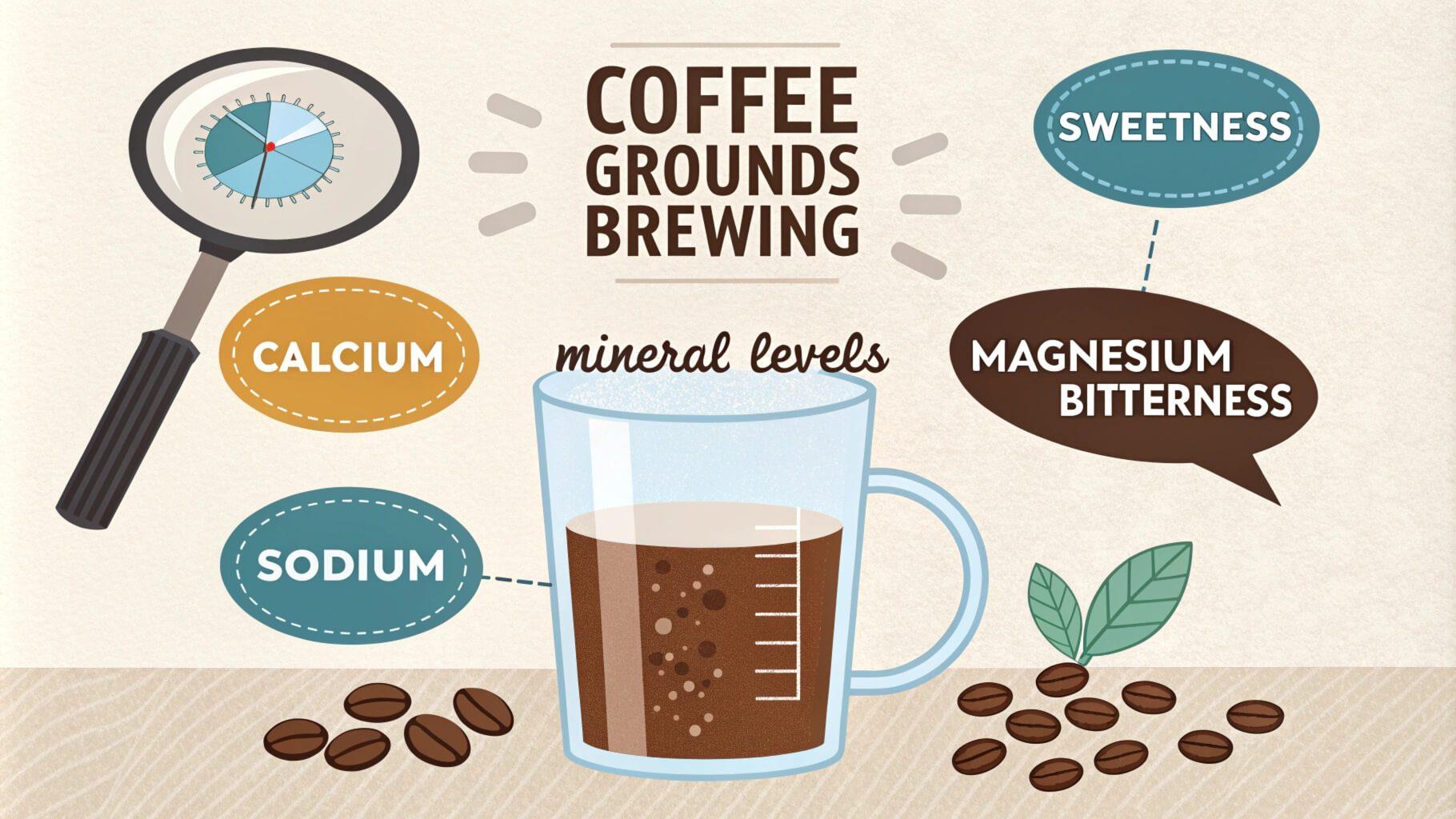
Water naturally contains minerals such as calcium and magnesium.
These minerals interact with compounds in coffee and influence extraction.
A moderate amount of minerals can help bring out sweetness, body, and complexity. However, water with an unsuitable mineral balance can make coffee taste flat, harsh, or overly bitter.
Hard Water
Hard water contains relatively high levels of minerals.
It can sometimes produce a heavier cup, but excessive hardness may interfere with the clarity and balance of certain coffees.
Soft Water
Very soft water contains fewer dissolved minerals.
While it can produce a lighter and cleaner cup, extremely low-mineral water may not extract coffee compounds effectively, resulting in a cup that tastes thin or lacking in flavor.
The goal is not simply to use the hardest or softest water. Balanced mineral content is what matters.
Does Water Temperature Change Coffee Flavor?
Yes.
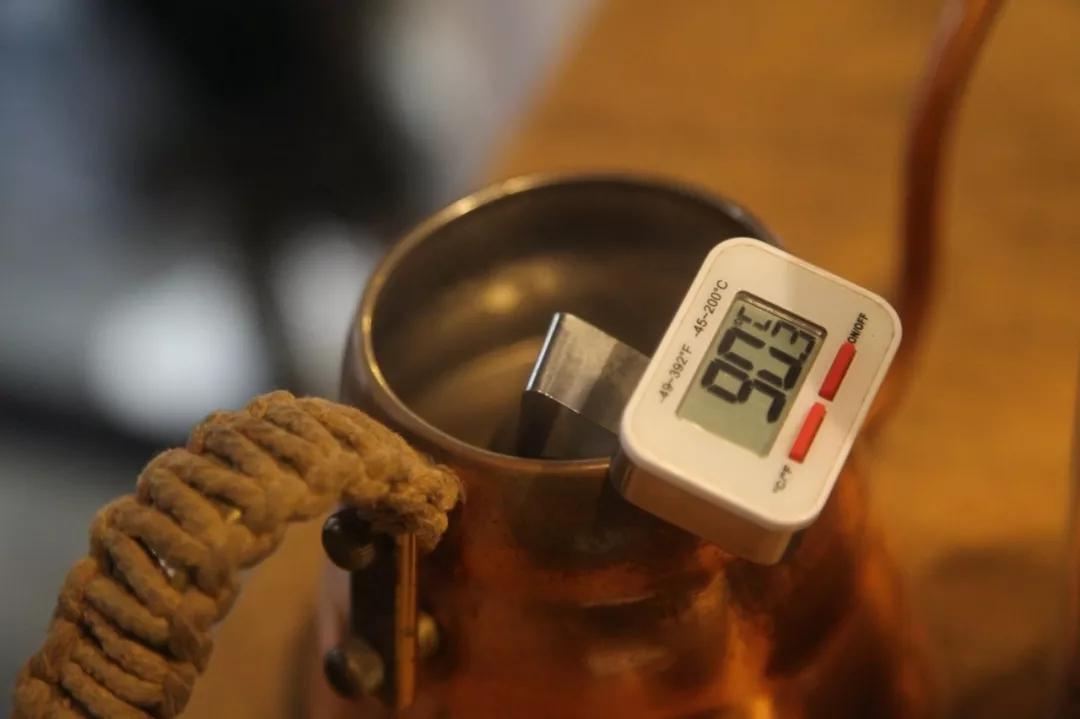
Water temperature has a direct effect on extraction.
If the water is too cool, coffee may be under-extracted and taste sour, thin, or lacking in sweetness.
If the water is too hot, extraction can happen more aggressively and may contribute to bitter or harsh flavors, particularly when combined with a fine grind or long brewing time.
For many brewing methods, around 90–96°C (194–205°F) is a useful starting range.
However, the ideal temperature depends on the coffee, roast level, grind size, and brewing method.
Why Chlorine Can Affect Coffee
Tap water may contain chlorine or other compounds used during water treatment.
Even when the water is safe to drink, noticeable chlorine odors can interfere with the aroma and flavor of coffee.
Coffee is highly aromatic, so using clean, fresh-tasting water can make a noticeable difference.
If your tap water has a strong smell or taste, filtered water may be a better option for brewing.
What Is the Best Water for Coffee?
There is no single bottled-water brand that is perfect for every coffee.
Instead, look for water that is:
- Clean and fresh tasting
- Free from strong odors
- Moderately mineralized
- Not excessively hard
- Not completely mineral-free
Filtered water can be an excellent starting point if your local tap water has an unpleasant taste or high mineral content.
For specialty coffee, some brewers also use water specifically formulated for coffee brewing, allowing them to control mineral content more precisely.
Can You Use Distilled Water for Coffee?
Distilled water contains very few dissolved minerals.
Although it is extremely pure, it is generally not ideal for brewing coffee on its own because it may not extract coffee compounds effectively.
This can result in a cup that tastes flat, weak, or lacking in sweetness and structure.
If you use very low-mineral water, adding an appropriate mineral composition can improve extraction.
How to Choose Better Water for Your Coffee
If you want to improve your coffee without changing your beans or equipment, start with your water.
Step 1: Taste your water
Drink a glass of the water you normally use for coffee.
If it tastes strongly of chlorine, minerals, or other unusual flavors, those characteristics can also appear in your coffee.
Step 2: Check your water hardness
If possible, find out whether your local water is soft, moderately hard, or very hard.
This can help explain why your coffee behaves differently from recipes or brewing guides you follow.
Step 3: Try filtered water
A good-quality water filter can reduce unwanted tastes and odors while maintaining a useful level of minerals.
Step 4: Keep everything else consistent
Use the same coffee, grind size, dose, and brewing method while changing only the water.
This makes it much easier to taste the difference.
Water, Coffee, and Extraction
Water does not work alone.
The final flavor of coffee is influenced by several variables:
Coffee origin + roast level + grind size + water + temperature + brewing time = final cup
Changing one variable can change the balance of the entire brew.
For example, a naturally fruity Arabica may taste bright and sweet with suitable water but become flat or harsh when brewed with water that has an unsuitable mineral composition.
Understanding these relationships gives you more control over your coffee.
The Best Coffee Beans Still Need the Right Water
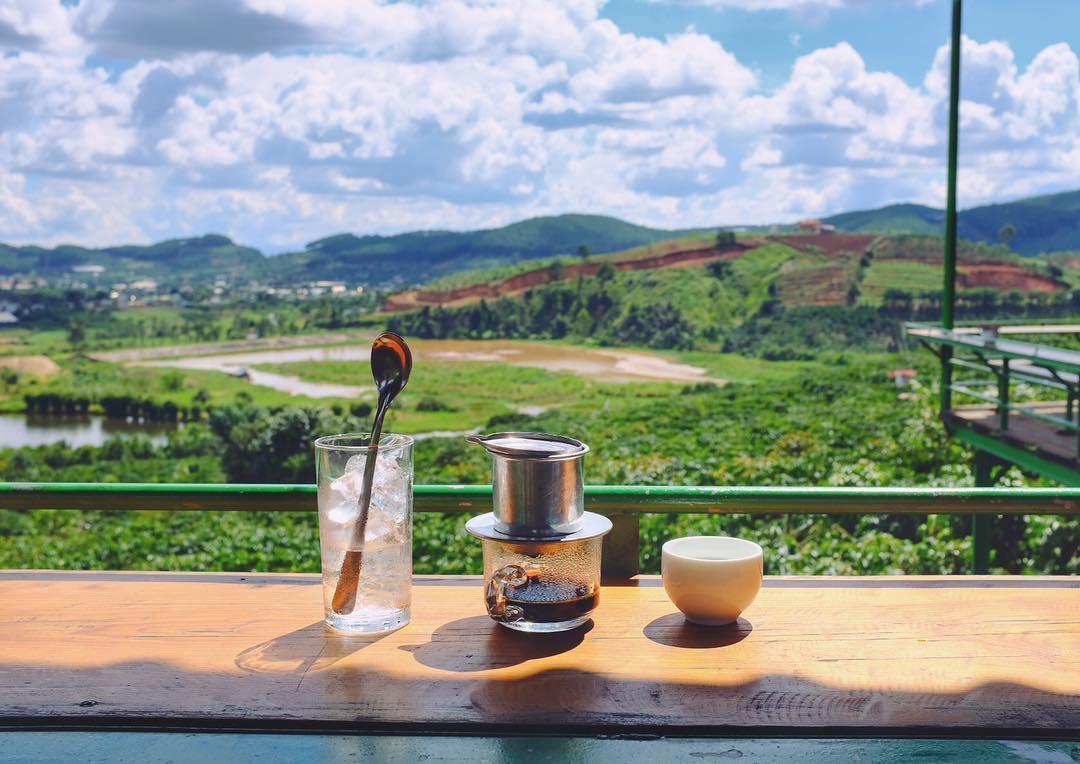
Great coffee starts with quality beans, but brewing is where their potential is revealed.
At Cau Dat Bean, we focus on carefully selected coffee from the highlands of Da Lat, including Arabica from the Cau Dat growing region.
Different origins, varieties, processing methods, and roast profiles can produce very different flavors. Using suitable water helps you experience those characteristics more clearly.
If you are curious about how different coffees respond to different brewing methods and roast profiles, visit our showroom in Da Lat.
Cau Dat Bean Showroom
📍 82B Truong Cong Dinh Street, Da Lat, Lam Dong, Vietnam
📞 +84 926 915 849
Frequently Asked Questions
Does water really affect coffee taste?
Yes. Water affects extraction and can influence coffee's sweetness, acidity, bitterness, body, and overall balance.
What is the best water for brewing coffee?
Clean, fresh-tasting water with a balanced mineral content is generally a good choice. Avoid water with strong odors, excessive hardness, or extremely low mineral content.
Is tap water good for coffee?
It depends on your local water quality. If your tap water tastes clean and has a suitable mineral balance, it may work well. If it has strong chlorine or mineral flavors, filtered water may produce better coffee.
Is distilled water good for coffee?
Distilled water alone is generally not ideal because it contains very few minerals needed for effective extraction.
What water temperature is best for coffee?
Around 90–96°C (194–205°F) is a useful starting range for many brewing methods, although the ideal temperature varies depending on the coffee and recipe.
Why does my coffee taste different when I travel?
Different locations can have significantly different water mineral content and treatment methods. Even with the same coffee and equipment, changing the water can change the flavor of the final cup


 Group4, Cau Dat Village, Xuan Truong commune, Da Lat City, Lam Dong Province, Vietnam
 +84 783 472 234
 caudatbean@gmail.com
  www.caudatbean.com