
How to Store Green Coffee Beans: Protecting Quality Before Roasting
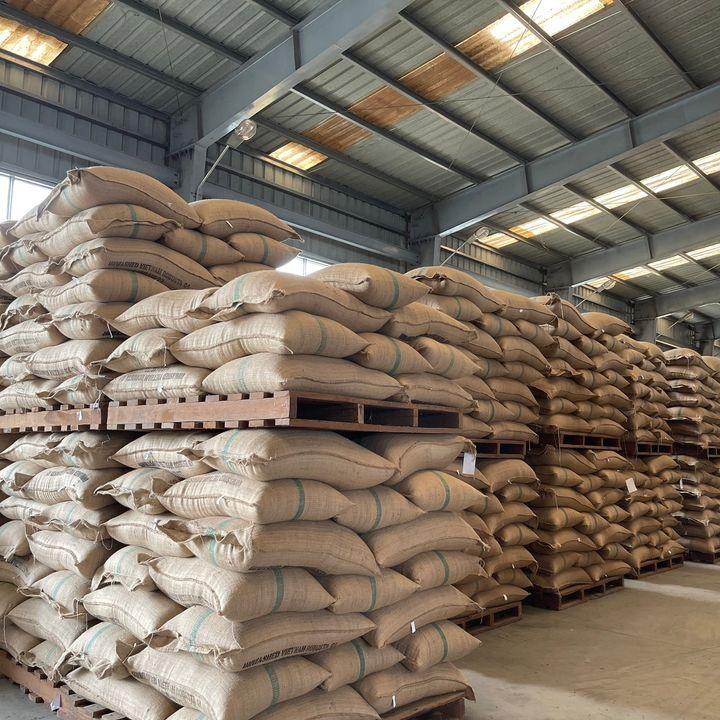
Green coffee beans may look stable, but their quality can change during storage. Before coffee reaches the roaster, its flavor potential depends not only on the variety, origin, and processing method, but also on how the beans are handled after drying.
Poor storage conditions can expose green coffee to moisture fluctuations, unwanted odors, pests, and gradual quality deterioration. For coffee exporters, importers, roasters, and wholesale buyers, these problems can affect both the final cup and the commercial value of a lot.
The good news is that proper storage does not always require complicated equipment. Understanding the role of humidity, temperature, packaging, and stock rotation can help protect coffee quality before roasting.
1. Why Green Coffee Storage Matters
Green coffee is more stable than roasted coffee, but it is not immune to environmental changes.
Coffee beans can exchange moisture with the surrounding air. When storage conditions fluctuate, their moisture content may change, affecting physical characteristics and potentially influencing flavor development during roasting.
Research has also found that storage temperature and packaging can affect changes in green coffee quality over time. The results depend on the storage conditions, packaging material, and coffee being studied.
For businesses handling green coffee, storage is therefore part of quality management rather than simply a place to keep bags until they are needed.
Good storage helps businesses:
-
Protect coffee from excessive moisture exposure.
-
Reduce the risk of mold and unwanted odors.
-
Maintain more consistent conditions between purchasing and roasting.
-
Keep different lots identifiable and traceable.
-
Reduce avoidable losses caused by poor handling.
Proper storage cannot reverse defects or improve poorly processed coffee. Its purpose is to preserve the quality the coffee already has.
2. Control Temperature and Relative Humidity
Temperature and relative humidity are two important factors in green coffee storage.
Relative humidity describes how much moisture the air holds compared with the maximum it could hold at that temperature. When humidity is high, green coffee can absorb moisture from its surroundings. In very dry conditions, beans may lose moisture.
Frequent changes in temperature and humidity can also contribute to condensation under unsuitable conditions.
Keep the storage environment stable
Aim for a cool, dry, well-maintained storage area with as little temperature fluctuation as practical. Avoid placing coffee near hot roasting equipment, direct sunlight, leaking roofs, or damp walls.
There is no single temperature and humidity combination that guarantees the same result for every coffee lot. The appropriate conditions depend on the expected storage duration, packaging, and local climate.
In humid environments, monitoring becomes especially important. A basic thermometer and humidity meter can help staff identify changes before they become persistent problems.
Pay attention to moisture content
Green coffee is commonly traded with moisture content around 10–12%, although contractual limits and accepted specifications can vary. Moisture should be checked using an appropriate meter rather than judged only by appearance.
Remember that moisture content and water activity are different measurements. Moisture content measures the amount of water in the coffee, while water activity helps indicate how available that water is for processes such as microbial growth and chemical reactions.
For higher-value lots or longer storage periods, measuring both can provide a more complete picture of storage stability.
3. Choose Packaging That Matches Your Storage Needs
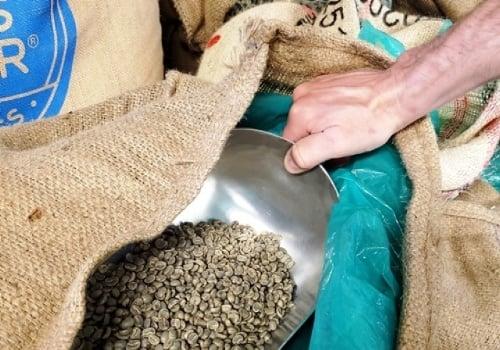
Packaging influences how much the coffee interacts with the surrounding environment.
Jute bags
Jute bags are widely used in green coffee handling and transport. They are practical for bulk shipments and allow air and moisture vapor to pass through the material.
However, jute alone does not provide a strong barrier against humid air. In a warehouse with fluctuating humidity, the beans may exchange moisture with their surroundings.
Hermetic liners and barrier packaging
Hermetic liners and suitable barrier bags can help reduce moisture exchange between green coffee and the external environment.
Research has found that hermetic packaging can help maintain moisture conditions during storage, although results depend on the packaging system and the conditions involved.
For longer storage periods or humid supply chains, additional protective packaging may be worth considering. The choice should reflect the coffee's value, shipping conditions, storage duration, and buyer requirements.
Packaging is only one part of the solution. Even good packaging cannot compensate for coffee that was inadequately dried before storage or for damaged bags that allow moisture to enter.
4. Keep Coffee Off the Floor and Away from Strong Odors
The physical arrangement of a warehouse matters just as much as the room's general conditions.
Green coffee bags should be stored on clean, dry pallets or suitable shelving rather than directly on concrete floors. This helps reduce exposure to floor moisture and makes cleaning and inspection easier.
Leave enough space for staff to inspect bags and move stock safely. Avoid stacking bags against damp walls or placing them beneath pipes and areas where condensation or leaks may occur.
Coffee can also pick up unwanted odors from its surroundings. Keep it away from fuel, cleaning chemicals, paint, spices, and other strong-smelling materials.
A clean, organized warehouse makes it easier to detect damaged packaging, pest activity, unusual odors, and other potential problems before they affect a larger quantity of coffee.
5. Inspect Every Incoming Coffee Lot

Storage management begins when a shipment arrives, not several weeks later.
Before adding new stock to existing inventory, check the shipment and record its details.
A practical receiving checklist includes:
-
Confirming the coffee name, origin, processing method, and lot reference.
-
Checking the number of bags and their physical condition.
-
Looking for signs of water exposure, damaged packaging, pests, or unusual odors.
-
Measuring moisture content where appropriate.
-
Recording the arrival date and storage location.
-
Keeping a representative sample for future comparison.
If a lot appears wet, has a musty odor, or shows visible signs of mold, do not mix it with normal stock. Isolate it and investigate the cause before deciding how to handle it.
These simple procedures support traceability and make it easier to identify where a storage problem may have occurred.
6. Organize Stock to Prevent Confusion
A warehouse may contain several coffee origins, varieties, processing methods, and harvest periods. Without clear identification, staff can accidentally mix lots or send the wrong coffee for roasting.
Use clear labels that identify each lot. Depending on your operation, labels may include the product name, origin, processing method, supplier, lot number, arrival date, and relevant specifications.
Store different lots separately whenever practical, particularly when they have different quality requirements or intended uses.
Use a stock rotation system such as FIFO — first in, first out — when products have comparable requirements and quality status. However, the oldest lot should not automatically be used first if inspection indicates that another lot is in better condition or has a more urgent quality concern.
Regular stock checks help businesses identify slow-moving inventory and avoid leaving individual lots forgotten at the back of the warehouse.
7. How Long Can Green Coffee Be Stored?
There is no universal storage period that guarantees the same flavor quality for every green coffee.
Some lots remain suitable for roasting for many months under appropriate conditions, but gradual changes can occur even when the beans remain physically sound. Research comparing storage conditions has documented quality changes over time and differences between storage environments.
The useful storage period depends on several factors:
-
Initial drying quality and moisture condition.
-
Coffee variety and processing method.
-
Packaging and its resistance to moisture exchange.
-
Temperature and relative humidity.
-
Storage duration and transportation conditions.
-
The quality requirements of the final product.
Rather than relying only on a fixed number of months, establish a monitoring schedule. Inspect stored coffee periodically and compare samples with the original reference sample through cupping when appropriate.
If a lot is intended for a specific roast profile or premium product, regular sensory checks can help identify changes before the coffee enters production.
8. Common Green Coffee Storage Mistakes
Even experienced coffee businesses can overlook small issues that gradually affect inventory quality.
Storing bags directly on damp floors: This increases exposure to moisture and makes cleaning more difficult.
Ignoring warehouse humidity: A room that looks dry may still experience substantial humidity changes throughout the day or season.
Assuming all packaging provides the same protection: Jute, standard plastic, and specialized barrier liners have different properties.
Mixing unidentified lots: Poor identification makes traceability and quality investigation more difficult.
Keeping coffee near strong odors: Coffee can absorb unwanted smells from nearby materials.
Checking moisture only once: A measurement at arrival does not describe every condition the coffee may experience during subsequent storage.
Relying on appearance alone: Beans can look acceptable while their moisture condition or sensory characteristics have changed.
A consistent inspection routine is usually more useful than waiting until an obvious problem appears.
Frequently Asked Questions
What is the ideal moisture content for green coffee beans?
Green coffee is commonly traded around 10–12% moisture, but the appropriate specification depends on the contract and intended storage conditions. Moisture should be measured rather than estimated by appearance.
Can green coffee be stored in jute bags?
Yes. Jute bags are commonly used for green coffee, especially during bulk handling and transport. However, they allow moisture exchange with the surrounding air, so warehouse conditions remain important.
Should green coffee be stored in an airtight bag?
Hermetic or barrier packaging can help protect green coffee from moisture fluctuations. Whether it is necessary depends on the storage period, climate, shipment conditions, and quality requirements.
Does green coffee lose quality during storage?
Yes. Green coffee can undergo gradual physical, chemical, and sensory changes over time. Suitable storage conditions can help slow deterioration, but they cannot stop every change completely.
How should a coffee roaster check stored green coffee?
Monitor warehouse conditions, inspect packaging, check moisture when appropriate, maintain lot records, and compare samples through sensory evaluation at planned intervals.
Protect Coffee Quality with Cầu Đất Bean
Good green coffee storage begins with careful handling and continues through every stage before roasting. Stable environmental conditions, appropriate packaging, clear lot identification, and regular inspection all help businesses protect the value of their coffee.
Cầu Đất Bean works with Vietnamese coffee, including Arabica from the Cầu Đất highlands and other coffee options for different business requirements. For roasters and wholesale buyers, understanding product specifications and storage needs is an important part of planning a reliable supply.
Try before you buy.
CAU DAT BEAN
-
Showroom: 82B Trương Công Định, Phường Xuân Hương, Đà Lạt, Lâm Đồng, Vietnam
-
Phone / WhatsApp: +84 926 915 849
-
Email: caudatbean@gmail.com
-
Website: https://caudatcoffee.com.vn
Contact us to discuss green coffee options and wholesale requirements for your business.


 Group4, Cau Dat Village, Xuan Truong commune, Da Lat City, Lam Dong Province, Vietnam
 +84 783 472 234
 caudatbean@gmail.com
  www.caudatbean.com