
Coffee Acidity Explained: Why Does Coffee Taste Bright and Fruity?
When people hear the word “acidity” in coffee, they sometimes think it means something negative.
But in specialty coffee, acidity can be one of the most important characteristics of a great cup.
A well-balanced coffee can have acidity that reminds you of citrus, berries, apples, or other fruits. It can make the cup feel bright, lively, and refreshing.
So, what exactly is coffee acidity, and why does it matter?
What Is Coffee Acidity?
Coffee acidity refers to the bright, lively sensation that contributes to the overall flavor and structure of a coffee.
It is one of the key characteristics evaluated during coffee tasting and cupping, together with:
-
Aroma
-
Flavor
-
Sweetness
-
Body
-
Aftertaste
-
Balance
Acidity helps give coffee its personality.
Without enough acidity, some coffees can taste flat or dull. With too much sharp or unpleasant acidity, a coffee may taste sour or unbalanced.
The goal is not to eliminate acidity.
The goal is balance.
Is Coffee Acidity the Same as Sourness?
Not exactly.
This is one of the most important distinctions to understand.
Pleasant Acidity
Good acidity can feel:
-
Bright
-
Clean
-
Juicy
-
Fresh
-
Lively
-
Fruit-like
It may remind you of:
-
Lemon
-
Orange
-
Apple
-
Grapefruit
-
Berries
-
Stone fruit
Unpleasant Sourness
Sourness is often associated with under-extraction or an unbalanced coffee.
The cup may taste:
-
Sharp
-
Harsh
-
Thin
-
Unripe
-
Excessively sour
Therefore, when someone says a coffee is “acidic,” it does not automatically mean the coffee is sour.
Why Does Coffee Have Acidity?
Coffee naturally contains different organic acids.
These compounds develop and change throughout the life of the coffee, from the growing plant to processing and roasting.
Some acids are associated with characteristics such as:
-
Citrus-like brightness
-
Fruitiness
-
Sweetness
-
Wine-like complexity
The final perception depends on the combination of acids, sugars, aromatic compounds, roast development, and extraction.
This is why acidity can feel very different from one coffee to another.
How Does Coffee Origin Affect Acidity?
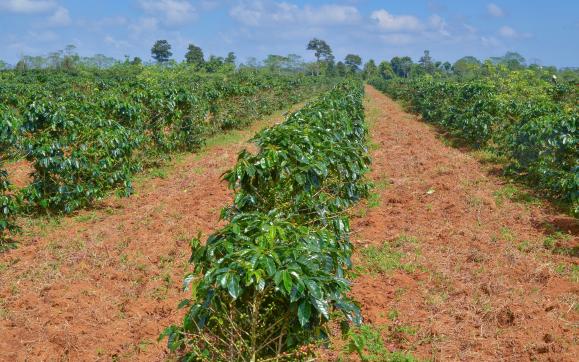
Where coffee is grown can strongly influence its flavor profile.
Different regions have different:
-
Altitudes
-
Temperatures
-
Soil conditions
-
Rainfall
-
Coffee varieties
-
Farming practices
These factors influence how coffee cherries develop and how their chemical composition changes.
For example, high-elevation Arabica coffees can often show bright and complex acidity.
Why Is Altitude Important?
Altitude is one of the factors commonly associated with coffee acidity.
In cooler highland environments, coffee cherries can mature more slowly.
This slower development can contribute to complex flavors and a more pronounced acidity.
However, altitude alone does not determine quality.
Variety, climate, soil, processing, harvesting, roasting, and brewing all play important roles.
Coffee Acidity and Vietnamese Arabica
Vietnam is often associated with Robusta, but the country also produces Arabica in highland areas.
Cau Dat, in the Da Lat highlands, is one of Vietnam's well-known Arabica-growing regions.
The area's high elevation and cooler climate create conditions suitable for developing coffees with distinctive acidity and aromatic characteristics.
Depending on the variety, processing method, and roast profile, Cau Dat Arabica can show notes ranging from citrus and stone fruit to caramel, chocolate, and floral aromas.
How Does Processing Affect Acidity?
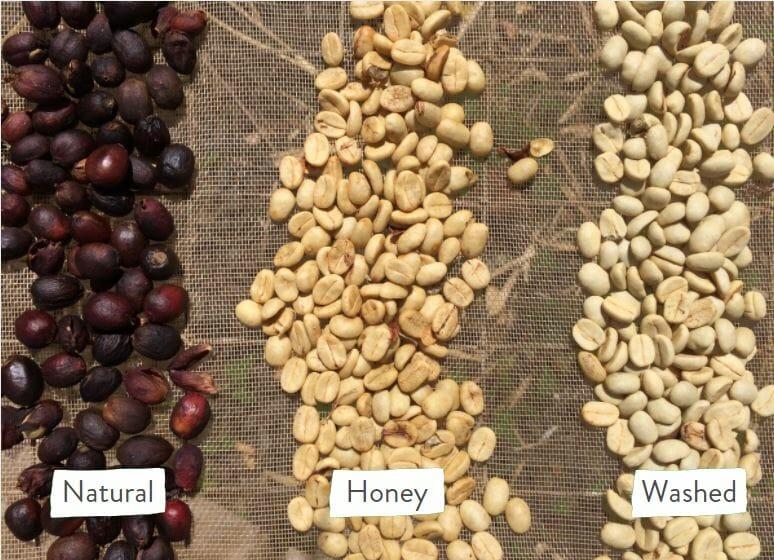
Processing can influence how acidity is perceived in the finished coffee.
Washed Coffee
Washed coffees are often associated with:
-
Clean flavors
-
Bright acidity
-
Clear origin characteristics
They can allow delicate acidity and floral or citrus notes to stand out.
Natural Coffee
Natural processing can produce:
-
Fruit-forward flavors
-
Greater perceived sweetness
-
Jammy characteristics
-
Wine-like notes
The acidity may feel softer or more integrated with the fruit character.
Honey Process
Honey processing can create a balance between sweetness, acidity, and body.
Depending on the drying conditions and amount of mucilage left on the bean, the resulting coffee can show both clean and fruit-forward characteristics.
How Does Roasting Affect Acidity?
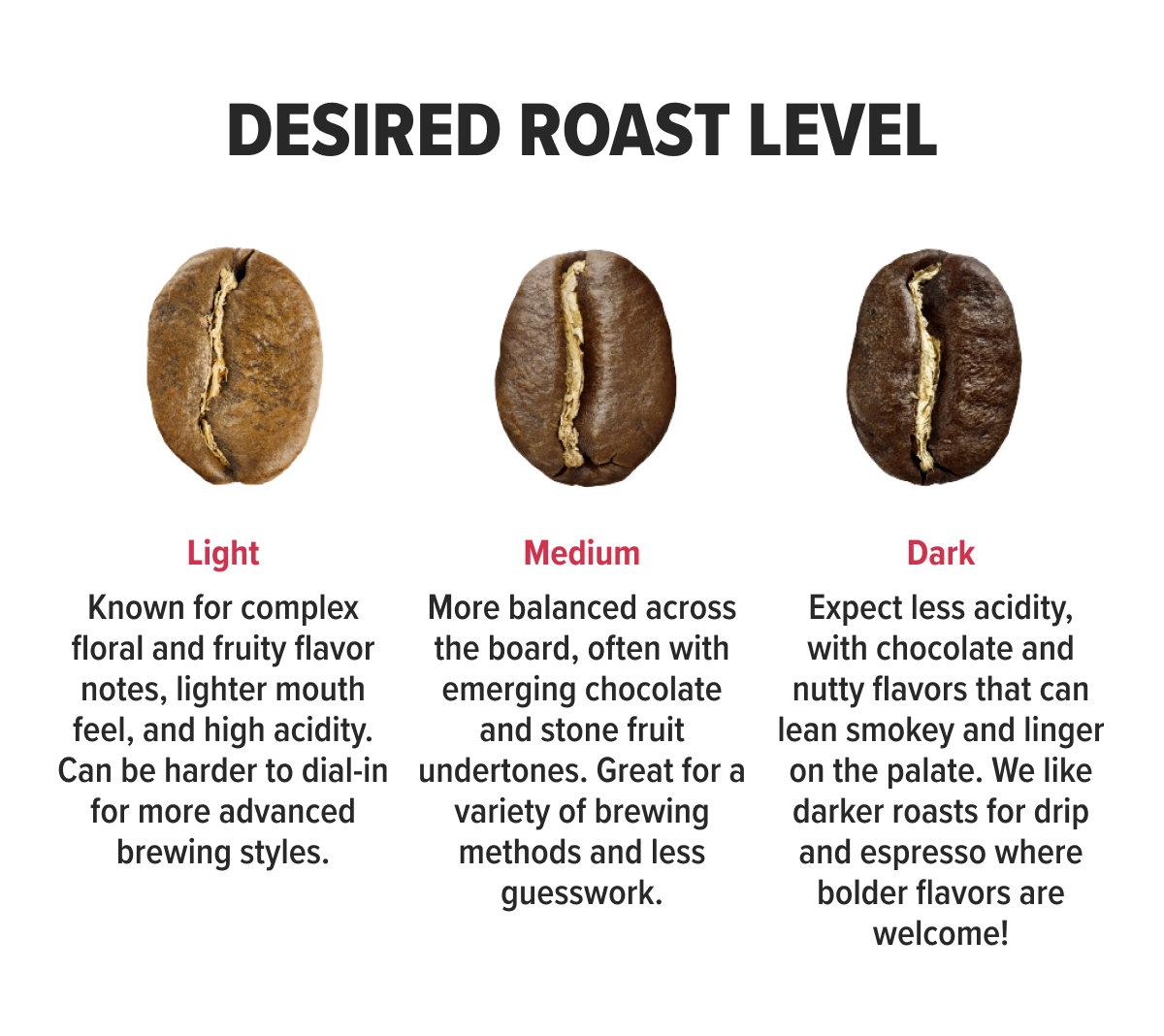
Roasting has a major influence on the way acidity appears in coffee.
Light Roast
Light roasting generally preserves more of the coffee's origin characteristics and can highlight:
-
Bright acidity
-
Floral aromas
-
Fruity notes
-
Citrus characteristics
Medium Roast
Medium roasting can create a balance between:
-
Acidity
-
Sweetness
-
Body
-
Caramelization
Dark Roast
As roasting becomes darker, acidity generally becomes less prominent while roasted flavors and bitterness become more noticeable.
Dark-roasted coffee may emphasize:
-
Chocolate
-
Toast
-
Caramelized flavors
-
Smoke
-
Bitterness
This does not mean dark roast coffee has no acidity. The overall balance simply changes.
How Does Brewing Affect Coffee Acidity?
Even if the green coffee and roast are excellent, brewing can change how acidity tastes.
Under-Extraction
Under-extracted coffee can taste:
-
Sour
-
Sharp
-
Thin
-
Salty
-
Lacking sweetness
If this happens, you may need to adjust your grind size, water temperature, brewing time, or coffee-to-water ratio.
Balanced Extraction
When extraction is well balanced, acidity can feel:
-
Clean
-
Sweet
-
Juicy
-
Bright
-
Structured
Over-Extraction
Over-extracted coffee can become:
-
Bitter
-
Dry
-
Astringent
-
Harsh
This can mask the pleasant acidity that was originally present in the coffee.
Common Types of Coffee Acidity
Coffee acidity can be described using familiar flavor references.
Citrus Acidity
Reminds you of:
-
Lemon
-
Lime
-
Orange
-
Grapefruit
Often associated with a bright and refreshing cup.
Berry Acidity
May remind you of:
-
Blueberry
-
Strawberry
-
Raspberry
-
Blackcurrant
This type of acidity is often associated with fruity specialty coffees.
Apple-Like Acidity
Can feel crisp, clean, and refreshing.
Wine-Like Acidity
May provide a deeper, more complex sensation with characteristics reminiscent of wine or fermented fruit.
These descriptions are tasting references, not ingredients added to the coffee.
Is High Acidity Better?
Not necessarily.
High acidity does not automatically mean high quality.
A coffee can have low, moderate, or high acidity and still be excellent if the acidity is balanced with sweetness, body, and flavor.
The most important factor is balance.
A bright Ethiopian coffee and a smooth Vietnamese coffee may have completely different acidity profiles while both being high-quality coffees.
How Can You Taste Acidity in Coffee?
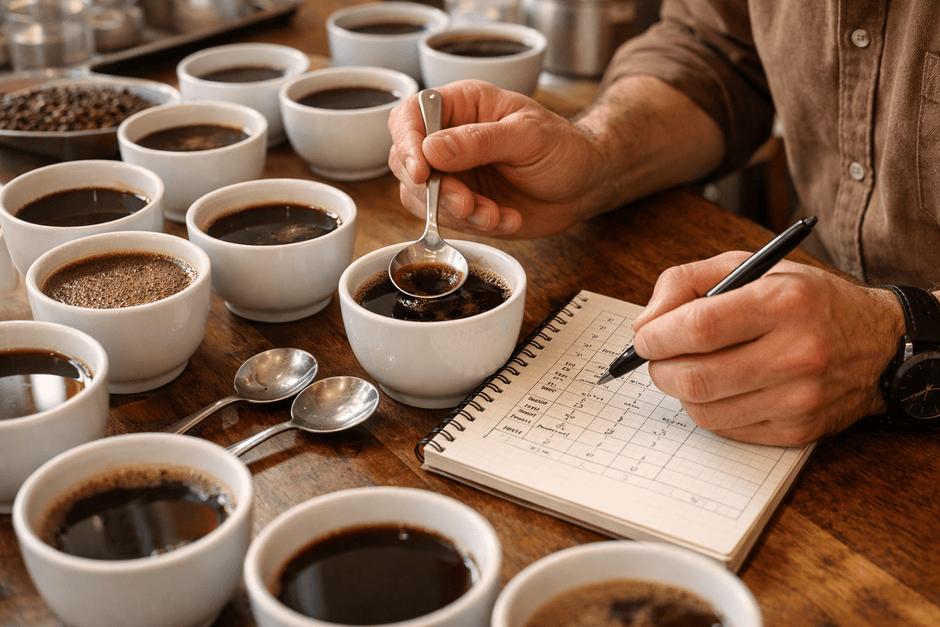
The next time you drink coffee, pay attention to the sensation on your tongue.
Ask yourself:
-
Does it feel bright or flat?
-
Does it remind you of citrus or fruit?
-
Is it refreshing?
-
Does the acidity feel sharp or smooth?
-
Is it balanced by sweetness?
-
Does the sensation remain after swallowing?
You can also compare two coffees side by side.
This is one reason coffee cupping is so useful.
When coffees are tasted under similar conditions, differences in acidity become much easier to notice.
Coffee Acidity Is Part of the Coffee's Character
Acidity should not be something coffee lovers automatically try to avoid.
In the right coffee and with proper extraction, acidity can add complexity, sweetness, freshness, and structure.
It can transform an ordinary cup into something much more expressive.
Understanding acidity also helps you understand why coffees from different origins, varieties, processing methods, and roast levels can taste so different.
Explore Vietnamese Coffee with Cau Dat Bean
At Cau Dat Bean, we believe Vietnamese coffee has a diverse range of flavors worth exploring.
Our coffee comes from carefully selected beans from the highlands of Da Lat, including Arabica from the Cau Dat growing region.
By comparing different varieties, processing methods, and roast profiles, you can discover how acidity, sweetness, body, and aroma interact in the cup.
Visit our showroom in Da Lat to explore Vietnamese coffee and find a profile that matches your taste.
Cau Dat Bean Showroom
📍 82B Truong Cong Dinh Street, Da Lat, Lam Dong, Vietnam
📞 +84 926 915 849
Frequently Asked Questions
What does acidity mean in coffee?
Coffee acidity refers to the bright, lively sensation that contributes to a coffee's flavor and structure. It can create citrus, fruit, or wine-like characteristics.
Is acidic coffee bad for you?
In coffee tasting, “acidity” refers primarily to flavor perception, not simply whether a coffee is harmful or unhealthy. A coffee can have noticeable acidity and still taste balanced and pleasant.
Why does my coffee taste sour?
Sour coffee can be a sign of under-extraction. Grind size, brewing time, water temperature, and coffee-to-water ratio can all affect extraction.
Which coffee has the most acidity?
Many high-elevation Arabica coffees are known for bright acidity, but acidity varies greatly depending on origin, variety, processing, roasting, and brewing.
Does dark roast coffee have less acidity?
Dark roasting generally reduces the perception of acidity and emphasizes roasted, bitter, and caramelized flavors.
Is Arabica more acidic than Robusta?
Arabica is often perceived as having more complex and noticeable acidity than Robusta, but the actual profile depends on the variety, origin, processing, roasting, and brewing method.
How can I reduce acidity in coffee?
If the coffee tastes excessively sour, try adjusting the extraction first. A slightly finer grind, longer brewing time, or higher water temperature may help, depending on your brewing method.


 Group4, Cau Dat Village, Xuan Truong commune, Da Lat City, Lam Dong Province, Vietnam
 +84 783 472 234
 caudatbean@gmail.com
  www.caudatbean.com