
Why Does Coffee Taste Different Every Morning? 7 Factors That Change Your Cup
Have you ever brewed the same coffee two mornings in a row and wondered why it tasted different?
The coffee beans are the same.
The brewing equipment is the same.
But somehow, the cup tastes brighter, sweeter, weaker, more bitter, or even completely different.
This is normal.
Coffee is sensitive to many small changes. From the freshness of the beans to the amount of water, grind size, brewing temperature, and even how the coffee is stored, several factors can change the final cup.
Here are 7 important factors that can make your coffee taste different from one day to the next.
1. Coffee Freshness
Freshness is one of the first things to consider.
After roasting, coffee gradually releases carbon dioxide and begins to react with oxygen. Over time, aromas and flavors can become less vibrant.
Freshly roasted coffee can offer:
-
More pronounced aroma
-
Better sweetness
-
Clearer flavors
-
More lively acidity
Older coffee may taste flatter, duller, or less aromatic.
However, freshly roasted does not always mean immediately ready to brew. Coffee often benefits from a short resting period after roasting, especially for espresso.
The ideal timing depends on the roast level, coffee, and brewing method.
How to keep coffee fresh
Store roasted coffee in:
-
An airtight container
-
A cool environment
-
A dry place
-
Away from direct sunlight
Avoid repeatedly opening the bag unnecessarily.
2. Grind Size
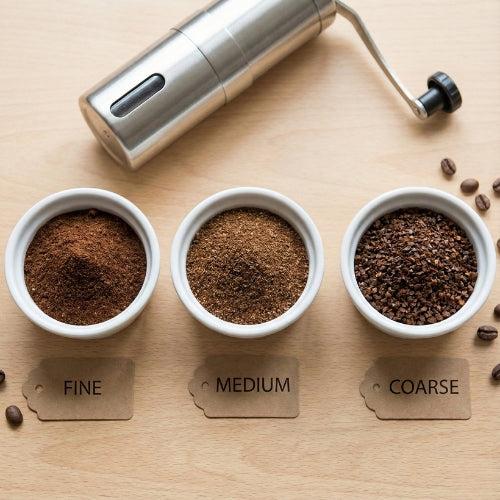
Grind size has a major effect on extraction.
The smaller the coffee particles, the more quickly water can extract compounds from the coffee.
A fine grind generally extracts more quickly.
A coarse grind generally extracts more slowly.
If your coffee tastes too bitter, dry, or harsh, the grind may be too fine or the coffee may be over-extracted.
If it tastes weak, sour, or lacking sweetness, the grind may be too coarse or the coffee may be under-extracted.
This is why even a small change in your grinder can noticeably change the cup.
A simple starting point
-
Espresso → Fine
-
Pour-over → Medium to medium-fine
-
French Press → Coarse
These are only starting points. The ideal grind depends on the coffee and recipe.
3. Water Temperature
Water temperature also affects extraction.
Hotter water generally extracts coffee compounds more quickly.
If the water is too hot, the coffee can become overly bitter or harsh.
If the water is too cool, the coffee may taste weak, sour, or underdeveloped.
For many brewing methods, a common starting range is around 90–96°C, but the best temperature depends on the coffee, roast level, and brewing recipe.
Light roasted coffees may respond well to higher temperatures because they can require more energy for effective extraction.
4. Coffee-to-Water Ratio
Another simple factor is how much coffee you use compared with how much water.
Imagine making the same coffee with:
15 g coffee + 250 g water
and then:
15 g coffee + 300 g water
The second cup will generally be more diluted.
The ratio affects the concentration and overall balance of the beverage.
If your coffee tastes too weak, you may need more coffee or less water.
If it tastes too strong, you may need less coffee or more water.
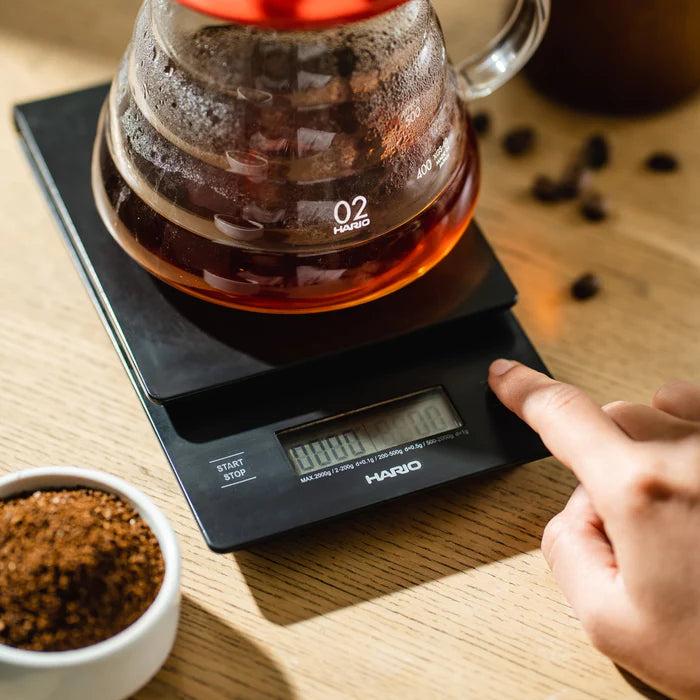
Using a scale can make your brewing much more consistent.
5. Brewing Time
How long water stays in contact with coffee also affects extraction.
A longer brewing time generally allows more compounds to be extracted.
A shorter brewing time extracts fewer compounds.
For example, if your pour-over normally takes three minutes but suddenly takes five minutes because the grind is too fine, the flavor can change significantly.
You may notice:
-
More bitterness
-
Dryness
-
Heavier flavors
-
Less clarity
On the other hand, brewing too quickly can produce:
-
Sourness
-
Weak sweetness
-
Thin body
-
Less developed flavor
Brewing time should therefore be considered together with grind size, water temperature, and brewing method.
6. Coffee Storage
Even excellent coffee can lose quality if it is stored incorrectly.
Four major enemies of roasted coffee are:
Oxygen + Heat + Light + Moisture
Exposure to these factors can accelerate the loss of aroma and flavor.
Better coffee storage
Keep coffee:
-
Airtight
-
Cool
-
Dry
-
Away from sunlight
There is usually no need to store everyday coffee in the refrigerator because moisture and temperature changes can create problems when the coffee is repeatedly taken in and out.
For longer-term storage, especially with larger quantities, airtight and carefully controlled storage is more important.
7. Your Brewing Environment
Sometimes the coffee is not the problem at all.
Small changes in your brewing environment can affect the cup.
For example:
-
Different water
-
Different water temperature
-
Different grind setting
-
Dirty brewing equipment
-
Different coffee dose
-
Different brewing time
-
Inconsistent pouring
Even the water itself can make a noticeable difference.
Water contains minerals that interact with coffee during extraction. This means the same beans brewed with different water can produce different results.
Don't forget your equipment
Coffee oils and residue can build up inside grinders, brewing devices, and espresso machines.
If equipment is not cleaned regularly, old coffee residue can contribute unwanted flavors.
A clean brewer helps you taste the coffee more clearly.
Why Does the Same Coffee Sometimes Taste Better?
Sometimes you make an excellent cup without changing anything intentionally.
This can happen because several variables happened to line up well.
The grind may have been slightly different.
The water temperature may have been more stable.
The coffee may have reached a better stage after roasting.
Or your extraction may simply have been more balanced.
Coffee brewing is not always perfectly predictable.
That is part of what makes it interesting.
Coffee Flavor Is a Combination of Many Factors
A useful way to think about your cup is:
Coffee Variety + Origin + Processing + Roast + Freshness + Water + Extraction = Final Flavor
This is why coffee professionals pay attention to the details behind every cup.
The beans are only the beginning.
Why the Same Coffee Can Taste Different in Different Brewing Methods
A single coffee can produce very different experiences depending on how it is brewed.
Pour-Over
Often emphasizes:
-
Clarity
-
Acidity
-
Aroma
-
Delicate flavors
French Press
Often produces:
-
More body
-
Richer texture
-
More coffee oils
Espresso
Often emphasizes:
-
Concentration
-
Body
-
Sweetness
-
Intensity
The coffee has not changed.
The extraction has.
What About Roast Level?
Roast level also plays an important role.
Light Roast
Often highlights:
-
Acidity
-
Floral notes
-
Fruit
-
Origin characteristics
Medium Roast
Can offer a balance of:
-
Sweetness
-
Acidity
-
Body
-
Caramelized flavors
Dark Roast
Often emphasizes:
-
Roasted flavors
-
Dark chocolate
-
Bitterness
-
Heavier body
This is why choosing the right roast is important when buying coffee.
How to Make Your Coffee More Consistent
If you want your coffee to taste more consistent every morning, control as many variables as possible.
Try to keep these consistent:
-
Coffee dose
-
Water amount
-
Grind size
-
Water temperature
-
Brewing time
-
Brewing method
-
Coffee storage
Using a digital scale and a reliable grinder can make a surprisingly large difference.
You do not need expensive equipment to start.
Consistency is often more important than complexity.
Why Vietnamese Coffee Can Taste So Different
Vietnam has a diverse coffee industry, from traditional Robusta production to highland Arabica.
Different growing regions, varieties, processing methods, and roasting styles can create very different cup profiles.
For example, Vietnamese Robusta can offer rich body and chocolate-like characteristics, while highland Arabica can show brighter acidity, fruit, floral aromas, or a cleaner finish.
This diversity is part of what makes Vietnamese coffee worth exploring.
Discover Cau Dat Coffee
Cau Dat is one of Vietnam's well-known Arabica-growing areas in the highlands of Da Lat.
The region's elevation, climate, and coffee-growing history contribute to the distinctive character of its coffee.
At Cau Dat Bean, we work with selected Vietnamese coffee and explore how variety, origin, processing, roasting, and brewing influence the final cup.
Whether you prefer a bright and clean Arabica or a richer, fuller coffee profile, understanding these factors can help you choose and brew coffee with greater confidence.
Cau Dat Bean Showroom
📍 82B Truong Cong Dinh Street, Da Lat, Lam Dong, Vietnam
📞 +84 926 915 849
Final Thoughts
If your coffee tastes different every morning, don't immediately blame the beans.
Start by checking the variables around them.
Is the coffee fresh?
Did you grind it differently?
Was the water hotter?
Did the brewing take longer?
Did you use the same amount of water?
Small changes can create surprisingly large differences in the cup.
Once you learn to control these variables, you can make your coffee more consistent—and you can also start experimenting intentionally.
Because great coffee is not only about finding the right beans.
It is also about learning how to bring the best out of them.
Frequently Asked Questions
Why does my coffee taste different every day?
Changes in freshness, grind size, water temperature, coffee-to-water ratio, brewing time, water quality, and storage can all affect the final cup.
Why does my coffee sometimes taste sour?
Sourness can be a sign of under-extraction, although some coffees naturally have bright acidity. Try adjusting grind size, temperature, or brewing time.
Why does my coffee taste bitter?
Bitterness can come from over-extraction, very dark roasting, excessively high temperatures, or other brewing issues.
Does grind size really affect coffee flavor?
Yes. Grind size strongly influences extraction speed and can significantly change the balance of acidity, sweetness, bitterness, and body.
What temperature should I use for coffee?
Around 90–96°C is a common starting range for many brewing methods, but the ideal temperature depends on the coffee and brewing recipe.
How should I store roasted coffee?
Keep it in an airtight container or well-sealed bag in a cool, dry place away from light, heat, moisture, and excessive exposure to oxygen.
Why does the same coffee taste different with different water?
Water contains minerals that interact with coffee during extraction. Differences in water composition can therefore change flavor, body, and extraction.


 Group4, Cau Dat Village, Xuan Truong commune, Da Lat City, Lam Dong Province, Vietnam
 +84 783 472 234
 caudatbean@gmail.com
  www.caudatbean.com