
How to Choose Coffee Beans for a Café: A Practical Buying Guide
Choosing coffee beans is one of the most important decisions when opening or running a café. The beans influence the flavor of every drink, the experience customers remember, and the consistency your baristas can deliver throughout the day.
However, the most expensive coffee is not necessarily the best choice for every café. A specialty coffee bar serving hand-brewed coffee has different needs from a busy shop specializing in Vietnamese iced milk coffee or espresso-based drinks.
The right choice depends on your menu, target customers, brewing equipment, budget, and the reliability of your coffee supplier.
In this guide, we explain how to choose coffee beans for a café and what to consider before placing a wholesale order.
1. Start with Your Café Menu
Before comparing coffee varieties or prices, identify the drinks that will make up most of your sales.
Different drinks benefit from different coffee characteristics.
Espresso and milk-based drinks
For cappuccinos, lattes, and flat whites, many cafés prefer coffee with a balanced profile, sufficient body, and flavors that remain noticeable when combined with milk.
Chocolate, caramel, nutty, and roasted notes are often useful starting points. Depending on the recipe, an Arabica–Robusta blend may provide a combination of aroma, sweetness, body, and intensity.
Black coffee and Americano
For black coffee, consider how the beans taste without milk or added sugar. Sweetness, acidity, bitterness, aroma, and aftertaste become more noticeable.
A balanced Arabica may suit customers who enjoy floral, fruity, or caramel-like notes. Other customers may prefer a fuller-bodied coffee with a stronger roasted character.
Vietnamese phin coffee
For traditional Vietnamese phin coffee, the desired profile often includes a rich mouthfeel and a pronounced coffee flavor, especially when served with condensed milk.
Robusta, Arabica, or a blend can work, depending on the strength and aroma you want to achieve. The brewing recipe and grind size also play important roles.
Practical tip: Choose beans according to the drinks you actually sell, rather than selecting a coffee simply because it is popular or described as premium.
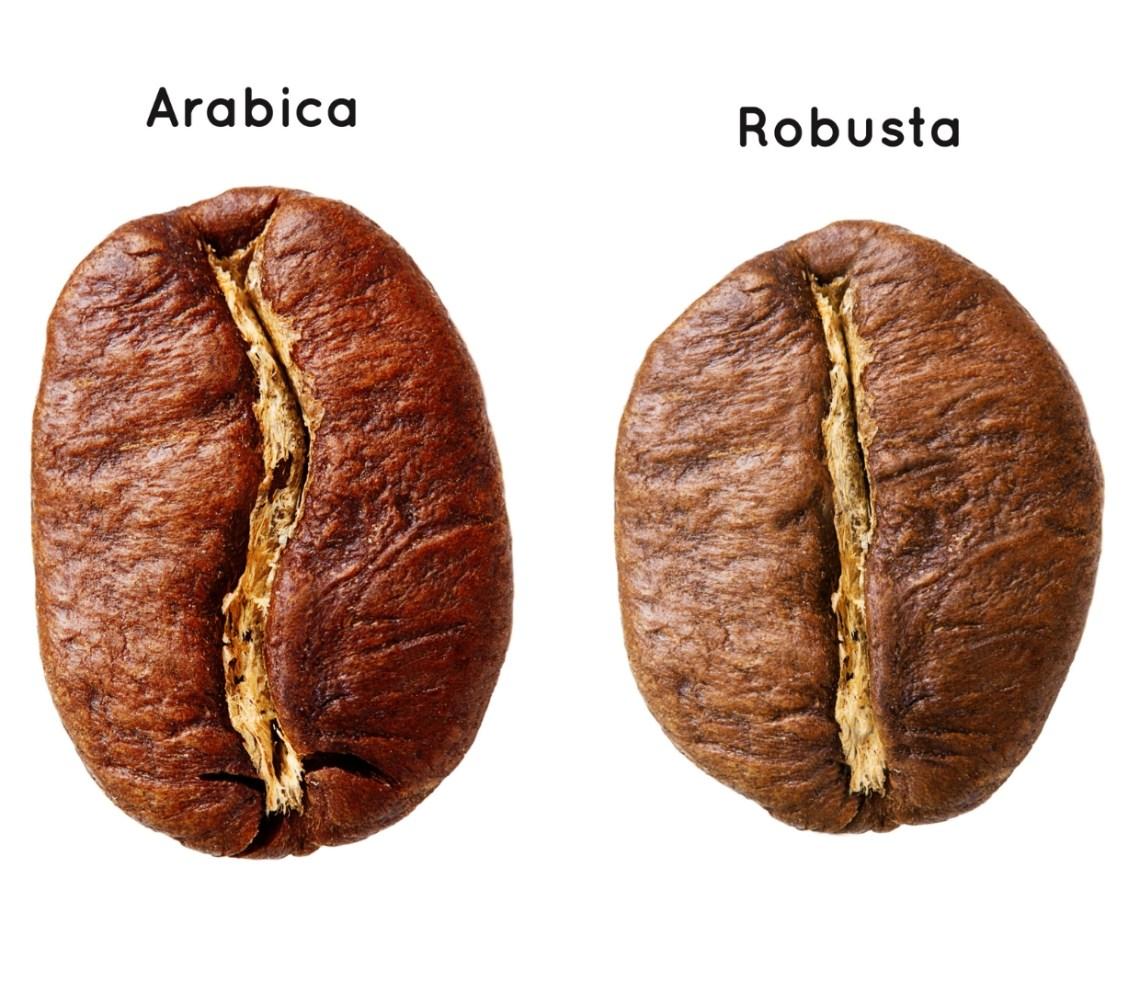
2. Understand Arabica, Robusta, and Coffee Blends
Knowing the basic differences between coffee types helps you narrow your options.
Arabica
Arabica can offer a wide range of flavor profiles, including floral, fruity, citrus, caramel, and chocolate notes. Its acidity and body vary according to variety, growing conditions, processing, roasting, and brewing.
For cafés that highlight origin and distinctive flavor, high-quality Arabica can be a strong option.
Cầu Đất, in the highlands of Đà Lạt, is known for its Arabica-growing conditions. Coffee grown in this region can be suitable for cafés looking to explore Vietnamese highland coffee.
Robusta
Robusta is often associated with a stronger, fuller-bodied cup and pronounced roasted, chocolate-like, or earthy notes, although the actual profile depends on quality and processing.
It can be a practical choice for cafés that want an intense flavor, particularly in traditional Vietnamese coffee and certain espresso recipes.
Arabica–Robusta blends
A blend combines coffees with different characteristics to create a specific flavor profile. For example, a roaster may use Arabica to contribute aroma and complexity, then add Robusta for body and intensity.
Blends can also help cafés maintain a familiar house flavor, provided the supplier manages changes in the component coffees carefully.
There is no single best coffee type for every business. The goal is to find a profile that fits your menu and customers.
3. Match the Beans to Your Customers
A coffee shop's location, pricing, and customer habits can influence which beans perform best.
Consider these questions:
-
Do customers usually drink coffee black or with milk?
-
Do they prefer a strong, traditional flavor or a lighter, more aromatic cup?
-
Is your café focused on specialty coffee, everyday drinks, or a combination?
-
What price range are customers comfortable paying?
-
Which drinks are your bestsellers?
If most customers order iced milk coffee, a bright and delicate coffee may not deliver the profile they expect in your standard recipe. Conversely, a café that promotes hand-brewed single-origin coffee may want beans with distinctive aroma and flavor characteristics.
Whenever possible, test candidate coffees using the same brewing method and recipe you intend to use in your café.
4. Evaluate Quality Beyond the Bean Name
Terms such as Arabica, Robusta, specialty, premium, and high altitude can help describe coffee, but they do not tell the whole story.
Before buying, ask your supplier for relevant product information.
Origin and variety
Knowing the growing region and variety helps you understand the coffee's background. For single-origin offerings, origin information can also become part of the story you share with customers.
Processing method
Washed, honey, and natural processing can produce different flavor characteristics, although outcomes vary by lot and production conditions.
Try the coffee rather than assuming that a particular processing method will always taste a certain way.
Freshness and roast level
For roasted coffee, ask about the roast date, intended use, and recommended resting period. The best roast level depends on the coffee and brewing method.
For green coffee buyers who roast in-house, request information about moisture, screen size, defects, and processing. These details help you assess whether a lot meets your purchasing requirements.
Consistency between batches
A coffee that tastes excellent in one sample but changes significantly between deliveries can make daily service difficult.
Ask how the supplier monitors quality and communicates changes in availability, lot characteristics, or product specifications.
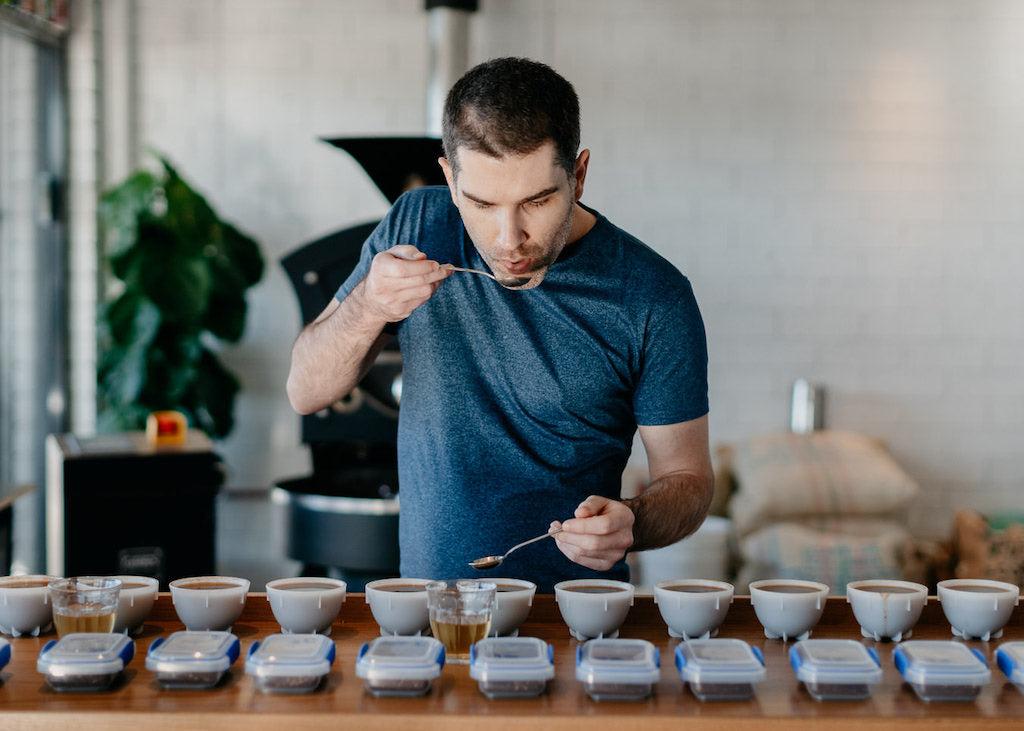
5. Always Test Samples Before Ordering in Bulk
A sample is one of the most useful tools when choosing a coffee supplier.
It allows you to evaluate the product before committing to a larger order and helps your team understand how the coffee performs in practice.
A simple testing process can include:
-
Taste the coffee black. Assess aroma, sweetness, acidity, bitterness, body, and aftertaste.
-
Prepare your main menu drinks. Test espresso, phin coffee, or milk-based recipes as relevant.
-
Adjust the recipe. Try reasonable changes to grind size, dose, water temperature, or brewing time.
-
Ask your team to evaluate it. Different baristas may notice different strengths or challenges.
-
Record the results. Note the recipe, flavor, and customer suitability so you can compare samples fairly.
Do not judge a coffee only by its first cup. Test it under realistic café conditions and, where possible, across more than one preparation session.
6. Calculate the Real Cost per Cup
Wholesale price matters, but it should not be the only factor in your purchasing decision.
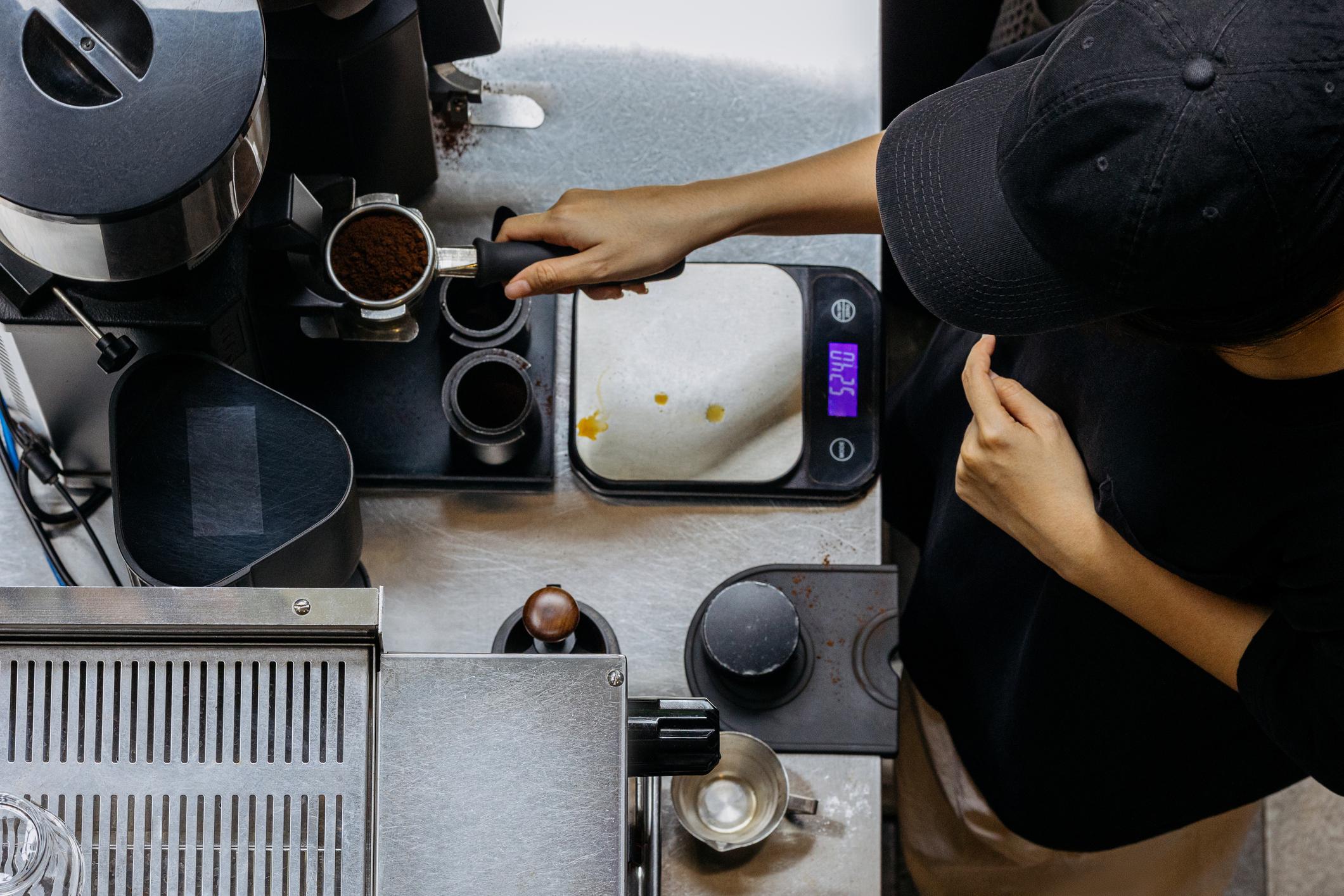
A useful starting point is to calculate the coffee cost for each serving.
For example, if a café uses 18 grams of coffee per drink, one kilogram of beans provides approximately 55 servings before accounting for dialing in, waste, or other losses.
The calculation is:
Coffee cost per serving = Price per kilogram × Dose in grams ÷ 1,000
Suppose the coffee costs VND 300,000 per kilogram and the recipe uses 18 grams.
The coffee ingredient cost is approximately VND 5,400 per serving.
This figure does not include milk, cups, labor, utilities, or wastage, but it helps compare coffees using the same dose.
A more expensive coffee may still make business sense if it improves the drink enough to support your menu price. A lower-priced coffee may be more suitable for a high-volume menu when it meets your quality requirements.
7. Choose a Supplier Who Understands Your Business
A good coffee supplier should do more than offer a price list. The supplier should understand your intended use, communicate clearly, and provide relevant product information.
Before establishing a regular order, consider:
-
Product suitability: Can the supplier recommend options for your brewing methods and menu?
-
Sample availability: Can you evaluate the coffee before buying in volume?
-
Specifications: Are origin, processing, grade, and other relevant details clearly provided?
-
Supply capacity: Can the supplier support your expected order size and purchasing schedule?
-
Communication: Are lead times, prices, and changes in availability explained clearly?
-
Product consistency: Is there a clear process for checking quality between batches?
If you operate several cafés or plan to expand, discuss your expected monthly volume and the profile you want to maintain. This gives the supplier a clearer basis for recommending a suitable product and supply arrangement.
8. Create a Simple Coffee Selection Checklist
Before confirming an order, make sure the coffee meets your main requirements.
-
Matches your café's menu and target customers
-
Tastes good using your actual brewing method
-
Fits your target cost per serving
-
Has clear product specifications
-
Performs reliably during recipe testing
-
Can be supplied in suitable quantities
-
Comes with clear ordering and delivery terms
You do not need to find a coffee that is perfect in every possible way. You need one that delivers the right balance of flavor, price, reliability, and customer satisfaction for your business.
Frequently Asked Questions
What is the best coffee for a café?
There is no universal answer. The best coffee depends on the menu, customer preferences, brewing equipment, and target cost. Testing samples is the most practical way to compare options.
Should a café use Arabica or Robusta?
Arabica may suit menus that emphasize aroma and varied flavor profiles, while Robusta can contribute body and intensity. Both can work well, individually or in blends, depending on the desired result.
Should cafés buy green or roasted coffee beans?
Cafés with roasting equipment and the necessary expertise may prefer green coffee for greater control over roasting. Cafés without that setup may find roasted coffee more convenient because it is ready for brewing.
How much coffee should a new café order?
Start with a quantity that supports realistic menu testing and expected sales without creating unnecessary inventory. Estimate daily consumption, delivery lead times, storage conditions, and the supplier's minimum order quantity before deciding.
Why should cafés test samples before buying wholesale?
Samples let you evaluate flavor, recipe performance, and suitability for your menu before making a larger financial commitment. They also provide a useful reference when reordering.
Find Coffee for Your Café with Cầu Đất Bean
Choosing coffee becomes easier when you know what your customers enjoy and what your recipes require.
Cầu Đất Bean offers coffee from Vietnam's highlands, including Cầu Đất Arabica and other coffee options for different brewing preferences and business needs. If you are sourcing coffee for a café, roasting business, or wholesale operation, share your intended use and expected volume so you can explore suitable options.
Try before you buy.
CAU DAT BEAN
-
Showroom: 82B Trương Công Định, Phường Xuân Hương, Đà Lạt, Lâm Đồng, Vietnam
-
Phone / WhatsApp: +84 926 915 849
-
Email: caudatbean@gmail.com
-
Website: https://caudatcoffee.com.vn
Contact us to discuss coffee options for your café or wholesale requirements.


 Group4, Cau Dat Village, Xuan Truong commune, Da Lat City, Lam Dong Province, Vietnam
 +84 783 472 234
 caudatbean@gmail.com
  www.caudatbean.com