
Coffee Processing Methods Explained: Washed vs. Natural vs. Honey
When you look at a bag of specialty coffee, you may see words such as Washed, Natural, or Honey next to the coffee's origin and variety.
But what do these terms actually mean?
They describe how coffee cherries are processed after harvesting. The processing method is an important part of the journey from coffee cherry to green coffee bean, and it can have a significant influence on the flavor, aroma, sweetness, acidity, and body of the final cup.
Understanding coffee processing methods can help you choose coffee that matches your taste.
What Is Coffee Processing?
Coffee processing is the method used to remove the fruit surrounding the coffee seed after coffee cherries are harvested.
The main methods include:
-
Washed process
-
Natural process
-
Honey process
Each method handles the coffee cherry differently.
The differences in how much fruit remains around the coffee seed during drying can influence how the coffee develops.
1. Washed Coffee
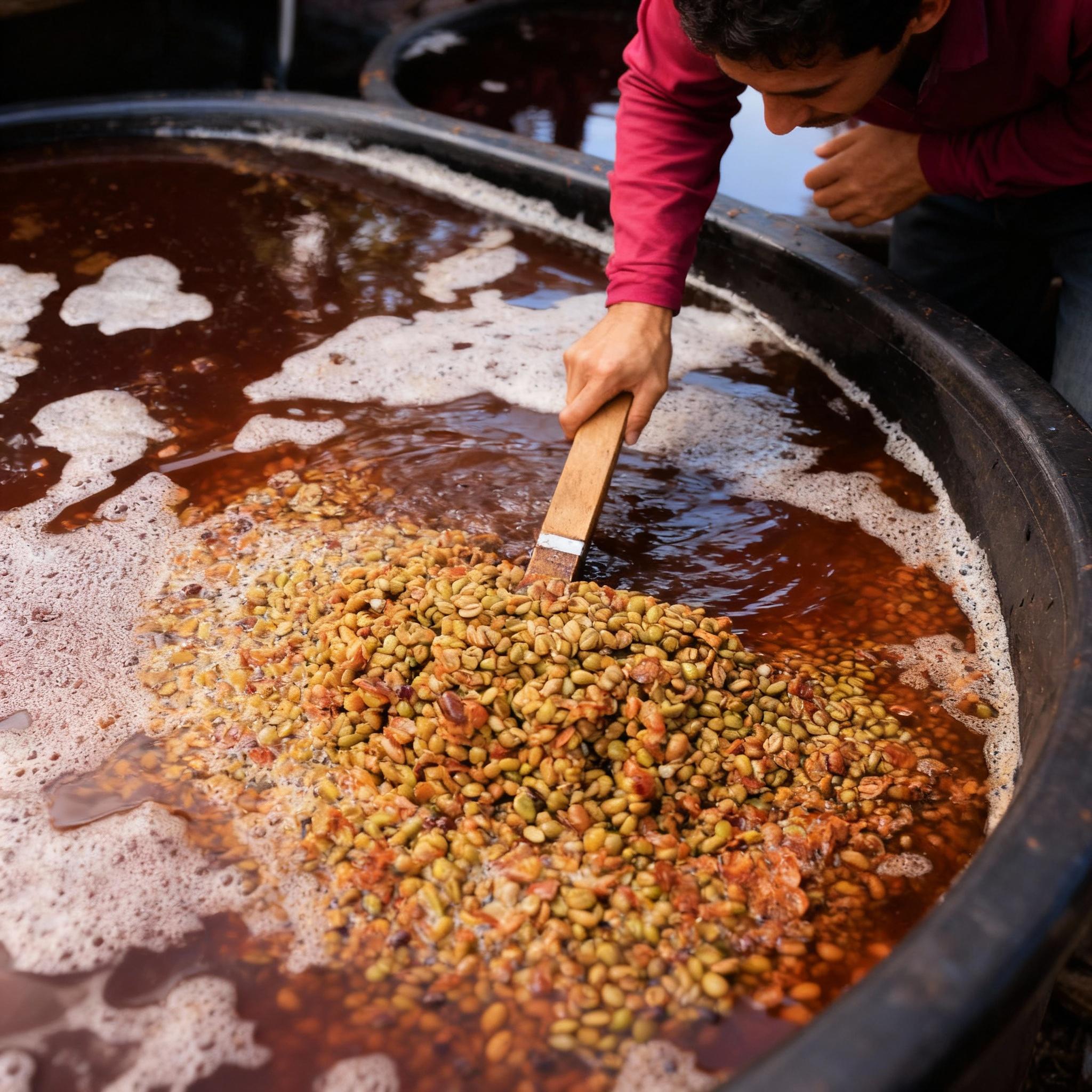
The washed process removes most of the fruit from the coffee bean before drying.
After harvesting, ripe coffee cherries are typically depulped to remove the skin and fruit. The coffee is then cleaned and dried under controlled conditions.
Washed coffee is often associated with a clean and transparent cup profile.
Common characteristics of washed coffee
You may notice:
-
Bright acidity
-
Clean flavors
-
Floral aromas
-
Citrus notes
-
Clear origin characteristics
-
Crisp finish
Washed processing can be particularly interesting for coffees where the producer wants to highlight the characteristics of the coffee variety and growing region.
2. Natural Coffee
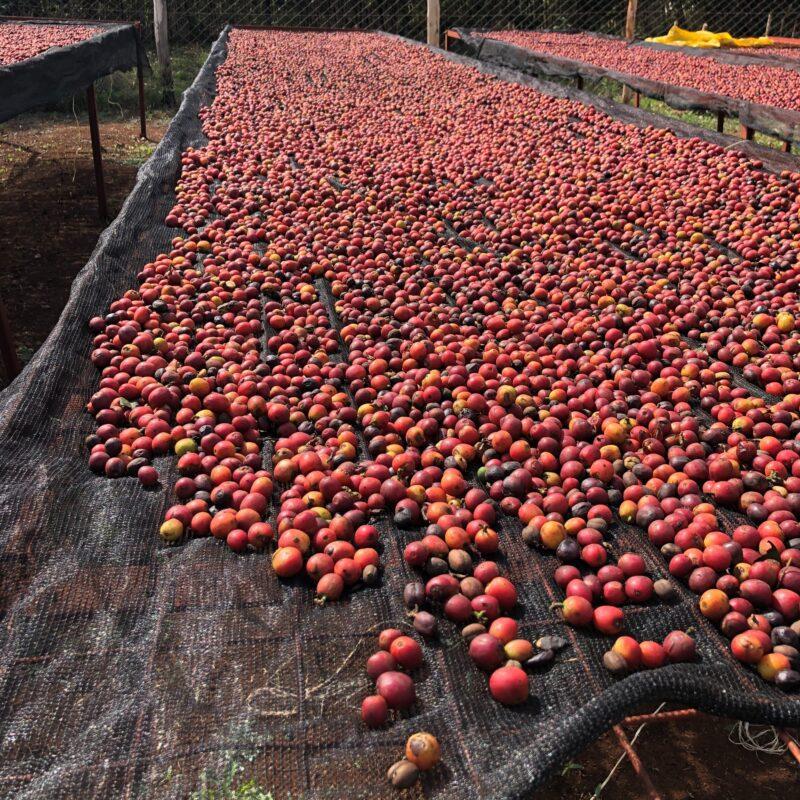
Natural processing is one of the oldest coffee processing methods.
Instead of removing the fruit immediately, whole coffee cherries are dried with the fruit surrounding the coffee seeds.
The cherries need to be carefully monitored and turned during drying to help achieve even drying and prevent unwanted fermentation or mold.
Common characteristics of natural coffee
Natural coffees can often have:
-
Fruity aromas
-
High perceived sweetness
-
Berry-like flavors
-
Jammy characteristics
-
Fuller body
-
Wine-like notes
The final flavor depends strongly on the coffee variety, drying conditions, climate, and producer's processing technique.
3. Honey Coffee
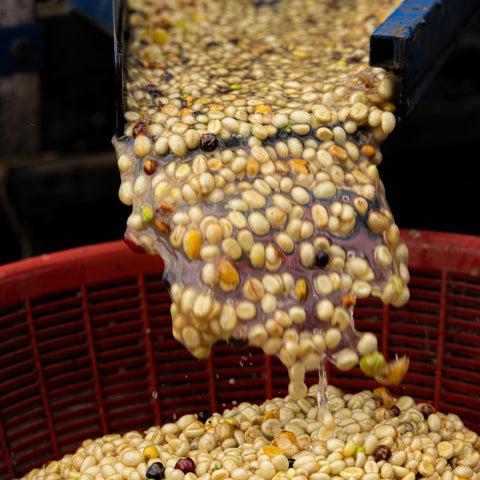
Honey processing sits between washed and natural processing.
The coffee cherry's outer skin is removed, but some of the sticky mucilage remains around the parchment while the coffee dries.
Despite the name, honey processing does not involve adding honey.
The name comes from the sticky, honey-like mucilage surrounding the coffee parchment.
Common characteristics of honey coffee
Honey coffees can show a combination of:
-
Sweetness
-
Balanced acidity
-
Medium to full body
-
Fruit characteristics
-
Caramel-like notes
The exact profile depends on how much mucilage remains and how the coffee is dried.
What Is the Difference Between Washed, Natural, and Honey?
The simplest way to understand the difference is to look at how much fruit remains around the coffee during drying.
Washed: Most of the fruit is removed before drying.
Honey: The skin is removed, but some mucilage remains during drying.
Natural: The coffee cherry is dried largely intact.
These differences can influence how the coffee develops and how its flavors are perceived.
Does Processing Change Coffee Flavor?
Yes.
Processing is one of several factors that can influence the final cup.
Other important factors include:
-
Coffee variety
-
Origin
-
Altitude
-
Climate
-
Soil
-
Harvesting
-
Drying
-
Roasting
-
Brewing
This means that two coffees from the same region can still taste very different if they are processed differently.
For example, a washed Cau Dat Arabica may have a cleaner and brighter profile, while a natural version of a similar coffee may emphasize fruitiness and sweetness.
Washed vs. Natural: Which One Is Better?
Neither process is automatically better.
It depends on what you enjoy.
Choose Washed Coffee If You Like:
-
Clean flavors
-
Bright acidity
-
Floral notes
-
Citrus
-
Clear origin characteristics
Choose Natural Coffee If You Like:
-
Fruity flavors
-
Higher perceived sweetness
-
Fuller body
-
Berry-like notes
-
Wine-like characteristics
Choose Honey Coffee If You Like:
-
Balanced sweetness
-
Moderate acidity
-
Smooth body
-
Fruit and caramel characteristics
The best way to understand the difference is to taste coffees processed in different ways side by side.
How Does Processing Affect Specialty Coffee?
Processing is especially important in specialty coffee because small differences can influence the final sensory profile.
Producers carefully control factors such as:
-
Cherry selection
-
Fermentation
-
Drying time
-
Drying temperature
-
Turning frequency
-
Moisture content
-
Storage conditions
Good processing helps preserve the potential quality of the coffee.
Poor processing can introduce unwanted flavors or defects.
Why Ripe Coffee Cherries Matter
Processing begins with harvesting.
Coffee cherries need to reach an appropriate level of maturity before they are processed.
Ripe cherries can provide better sweetness and more developed flavor potential.
Selective harvesting is therefore an important part of quality-focused coffee production.
The journey can be summarized as:
Growing → Ripening → Harvesting → Processing → Drying → Sorting → Green Coffee → Roasting → Brewing
Every stage matters.
Coffee Processing and Vietnamese Coffee
Vietnam is well known for its Robusta production, but the country also has a growing specialty coffee industry.
The highlands of Vietnam offer different environments for growing Arabica and Robusta.
Cau Dat, in the Da Lat highlands, is particularly associated with Arabica coffee.
Different processing methods can reveal different sides of Vietnamese coffee.
A washed coffee may emphasize clarity and acidity, while a natural coffee can highlight fruit and sweetness.
This diversity makes Vietnamese coffee an interesting origin to explore.
Discover Cau Dat Coffee
At Cau Dat Bean, we work with carefully selected Vietnamese coffee from the highlands of Da Lat, including Arabica from the Cau Dat growing region.
We believe that understanding processing helps coffee drinkers better appreciate what is in their cup.
Whether you prefer a clean washed coffee, a fruit-forward natural coffee, or a sweet honey process, tasting different coffees is one of the best ways to discover your personal preferences.
Visit our showroom in Da Lat to explore Vietnamese coffee and different roast profiles.
Cau Dat Bean Showroom
📍 82B Truong Cong Dinh Street, Da Lat, Lam Dong, Vietnam
📞 +84 926 915 849
Final Thoughts
Coffee processing is much more than a technical step after harvesting.
It is part of the story behind every cup.
Washed, Natural, and Honey coffees can express very different characteristics, even when they come from the same coffee-growing region.
The next time you see a processing method on a coffee label, take a moment to think about what it tells you.
It may give you an important clue about what you can expect in the cup.
Frequently Asked Questions
What are the three main coffee processing methods?
The three commonly discussed methods are washed, natural, and honey processing.
What is washed coffee?
Washed coffee is processed by removing most of the coffee fruit before the beans are dried. It is often associated with clean flavors and bright acidity.
What is natural coffee?
Natural coffee is dried with the coffee cherry largely intact. It can develop fruity, sweet, and full-bodied characteristics.
What is honey processed coffee?
Honey processing removes the outer skin while leaving some mucilage around the parchment during drying. It can produce sweet and balanced flavor profiles.
Does honey coffee contain honey?
No. Honey processing does not involve adding honey. The name comes from the sticky mucilage surrounding the coffee parchment.
Which coffee processing method is sweetest?
Natural and honey coffees can often have higher perceived sweetness, but sweetness depends on many factors including variety, origin, ripeness, processing, roasting, and brewing.
Which processing method has the most acidity?
Washed coffees are often associated with brighter and more pronounced acidity, but acidity depends on many factors beyond processing.


 Group4, Cau Dat Village, Xuan Truong commune, Da Lat City, Lam Dong Province, Vietnam
 +84 783 472 234
 caudatbean@gmail.com
  www.caudatbean.com