
Today, Da Lat is celebrated for its cool climate, pine forests, and charming landscapes. But the city's story as a mountain retreat began more than a century ago.
In 1893, Swiss-French physician Alexandre Yersin reached the Lang Biang Plateau during his exploration of Vietnam's Central Highlands. Impressed by the fresh air, mild temperatures, and beautiful scenery, he recommended the area as an ideal location for a highland resort.
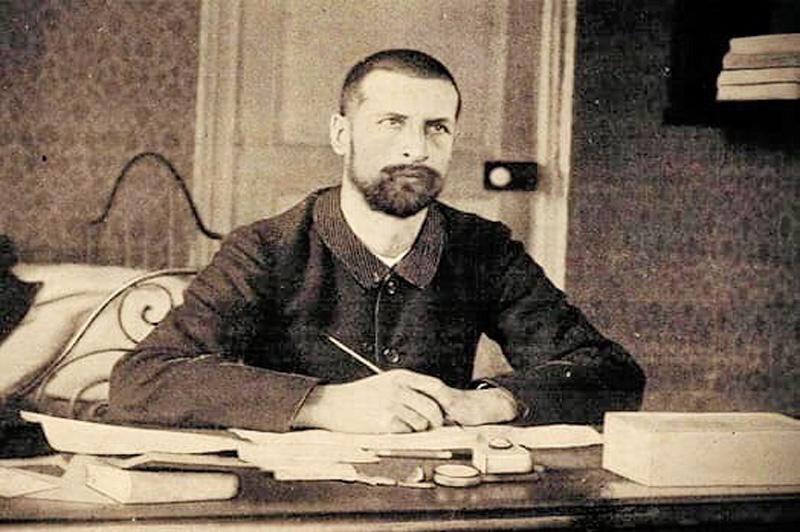
The French colonial administration soon recognized Da Lat's potential. Unlike the hot and humid lowlands, Da Lat offered a comfortable climate throughout the year, making it a perfect destination for rest, healthcare, and administration.
During the early 20th century, roads, schools, churches, villas, and public buildings were carefully planned and constructed. Many of these architectural landmarks still stand today, giving Da Lat its unique European-inspired character while blending harmoniously with the surrounding pine forests and lakes.
Over time, Da Lat evolved beyond a colonial retreat. It became a center for education, scientific research, agriculture, and tourism, while preserving much of its natural beauty and historical heritage.
Today, visitors continue to admire not only Da Lat's landscapes but also the history that shaped the city into one of Vietnam's most distinctive destinations.


 Group4, Cau Dat Village, Xuan Truong commune, Da Lat City, Lam Dong Province, Vietnam
 +84 783 472 234
 caudatbean@gmail.com
  www.caudatbean.com