
Why Shade Trees Matter in Coffee Farming: Benefits for Coffee Plants and Farm Ecosystems
Coffee is often associated with the flavor in the cup, but the quality of coffee begins with the conditions in which the plants grow. Sunlight, temperature, rainfall, soil, and farm management all influence the development of coffee trees.
One important aspect of coffee farming is the use of shade trees. In some coffee-growing regions, farmers grow coffee beneath a canopy of carefully selected trees. This approach is known as shade-grown coffee farming.
Shade trees can help create a more balanced growing environment, support biodiversity, and contribute to long-term farm management. However, the right amount of shade depends on the coffee variety, local climate, elevation, and farming practices.
In this article, Cầu Đất Bean explores why shade trees matter and how they can support coffee farms.
1. What Are Shade Trees in Coffee Farming?
Shade trees are larger trees planted among or around coffee plants to provide partial protection from direct sunlight.
Unlike coffee grown in fully exposed fields, coffee plants under shade receive filtered sunlight throughout the day. The canopy can also influence temperature, humidity, and the amount of sunlight reaching the ground.
Common shade trees vary by region. Farmers may use native trees, fruit trees, or other suitable species depending on local environmental conditions.
A well-managed shade system does not necessarily mean keeping coffee plants in deep shade. The goal is to create an appropriate balance between sunlight, plant growth, and the surrounding ecosystem.
2. How Shade Trees Protect Coffee Plants
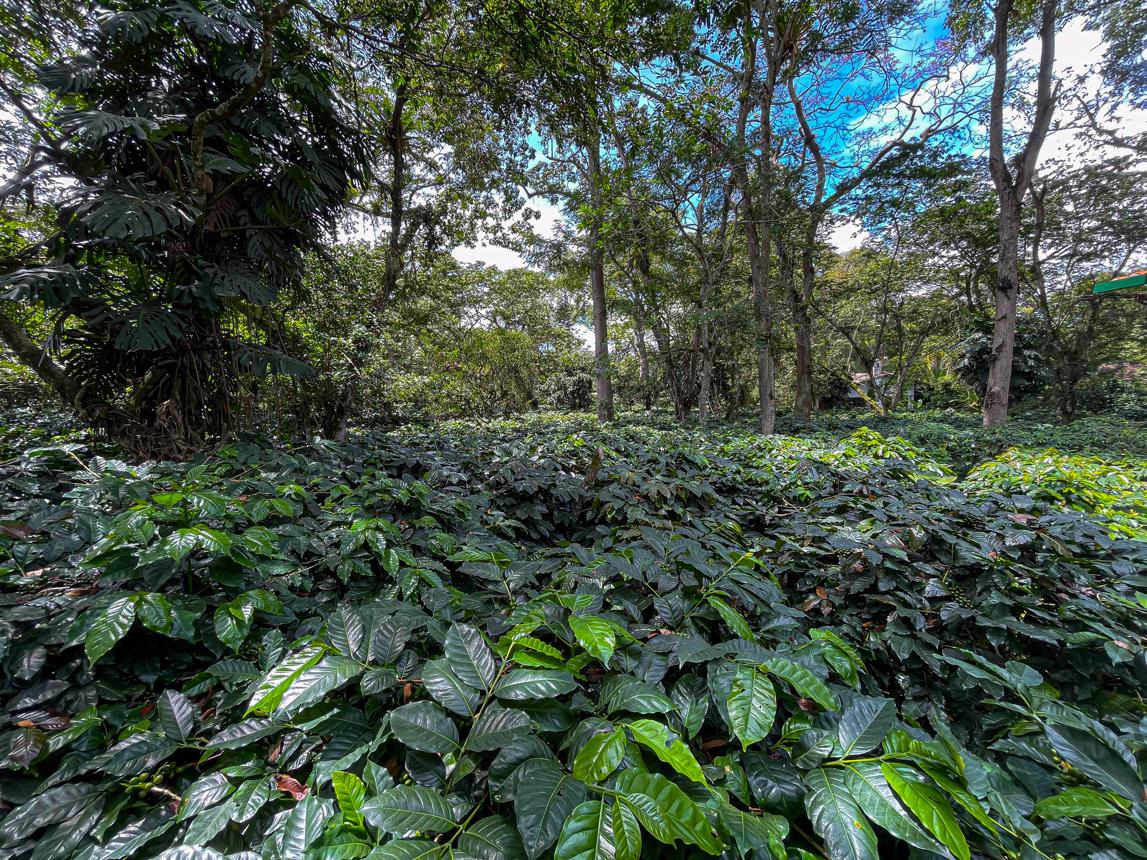
Coffee plants can be sensitive to extreme environmental conditions. Excessive heat and strong direct sunlight may place additional stress on plants, particularly when water availability is limited.
Shade trees can help moderate some of these conditions.
Reducing Direct Sunlight
A tree canopy filters sunlight before it reaches coffee plants. This can reduce exposure to intense midday sun and help moderate the temperature around the coffee trees.
Creating a More Stable Microclimate
Shade can influence temperature and humidity within a coffee farm. Depending on the canopy structure, it may reduce temperature fluctuations and help create a more stable growing environment.
Supporting Plant Health
When properly managed, shade may help reduce environmental stress on coffee plants. However, too much shade can also limit light availability and reduce productivity.
For this reason, farmers need to consider the local climate and the growth requirements of their coffee varieties.
3. Shade Trees and Soil Protection
Healthy soil is essential for long-term coffee production. Shade trees can contribute to soil protection in several ways.
Reducing soil erosion
Tree canopies help reduce the direct impact of heavy rainfall on the soil surface. Their roots can also help stabilize the ground, especially on sloping farmland.
Adding organic matter
Fallen leaves and small branches gradually decompose, adding organic material to the soil. This contributes to soil structure and supports soil organisms.
Supporting soil moisture
Shade can reduce direct solar exposure on the ground, potentially slowing moisture loss through evaporation.
These benefits depend on tree species, canopy coverage, soil conditions, and farm management. Shade trees are one part of a broader soil conservation strategy rather than a complete solution on their own.
4. Supporting Biodiversity on Coffee Farms
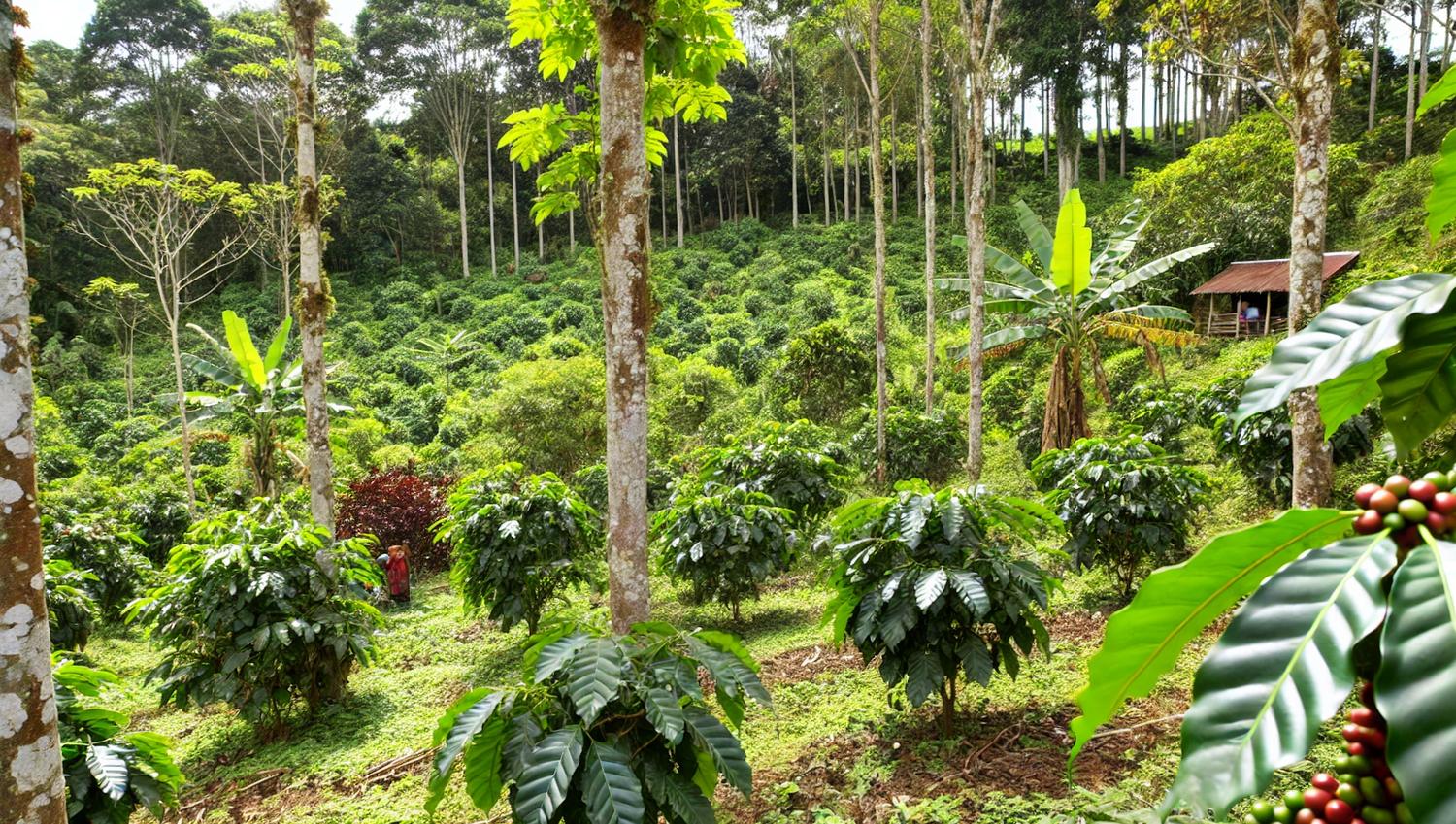
Coffee farms can provide habitats for different forms of wildlife and plant life.
When farms include a variety of shade trees and other vegetation, they may support birds, insects, and beneficial organisms.
A diverse farm environment can contribute to ecological balance.
For example:
-
Trees provide shelter and nesting opportunities for some bird species.
-
Flowering plants can provide food sources for pollinators.
-
Diverse vegetation can support different insects and soil organisms.
-
Native tree species can help maintain local ecological connections.
The benefits depend on the number and types of trees, the surrounding landscape, and how the farm is managed.
5. Can Shade Trees Affect Coffee Quality?
Shade can influence the growing environment of coffee cherries, but it does not automatically produce better-tasting coffee.
The relationship between shade and cup quality is complex.
In some growing conditions, moderate shade may influence the rate of cherry development and the microclimate surrounding coffee plants. These changes can affect how farmers manage harvesting and production.
However, final coffee quality depends on many factors, including:
-
Coffee variety
-
Elevation and local climate
-
Soil conditions
-
Cherry maturity at harvest
-
Processing method
-
Drying and storage practices
-
Roasting and brewing
For coffee buyers and roasters, it is important to evaluate the actual coffee rather than assume that a shade-grown label guarantees a particular flavor profile.
Sensory evaluation and clear product specifications remain essential.
6. What Are the Challenges of Shade-Grown Coffee?
Although shade trees offer several potential benefits, shade management also presents challenges.
Competition for Resources
Shade trees and coffee plants may compete for water and nutrients. If tree density is too high, coffee plants may not receive enough resources for healthy growth.
Reduced Light Availability
Coffee plants need sufficient light for photosynthesis and fruit development. Excessive shade may reduce flowering and productivity in certain environments.
More Complex Farm Management
Farmers need to select suitable tree species, maintain canopy density, and manage pruning. This requires additional knowledge and ongoing work.
Increased Humidity
Dense shade can create humid conditions, particularly in areas with frequent rainfall. If airflow is limited, this may increase the risk of certain coffee plant diseases.
Good shade management therefore requires a balance between environmental benefits and coffee production needs.
7. How Farmers Can Manage Shade Trees Effectively
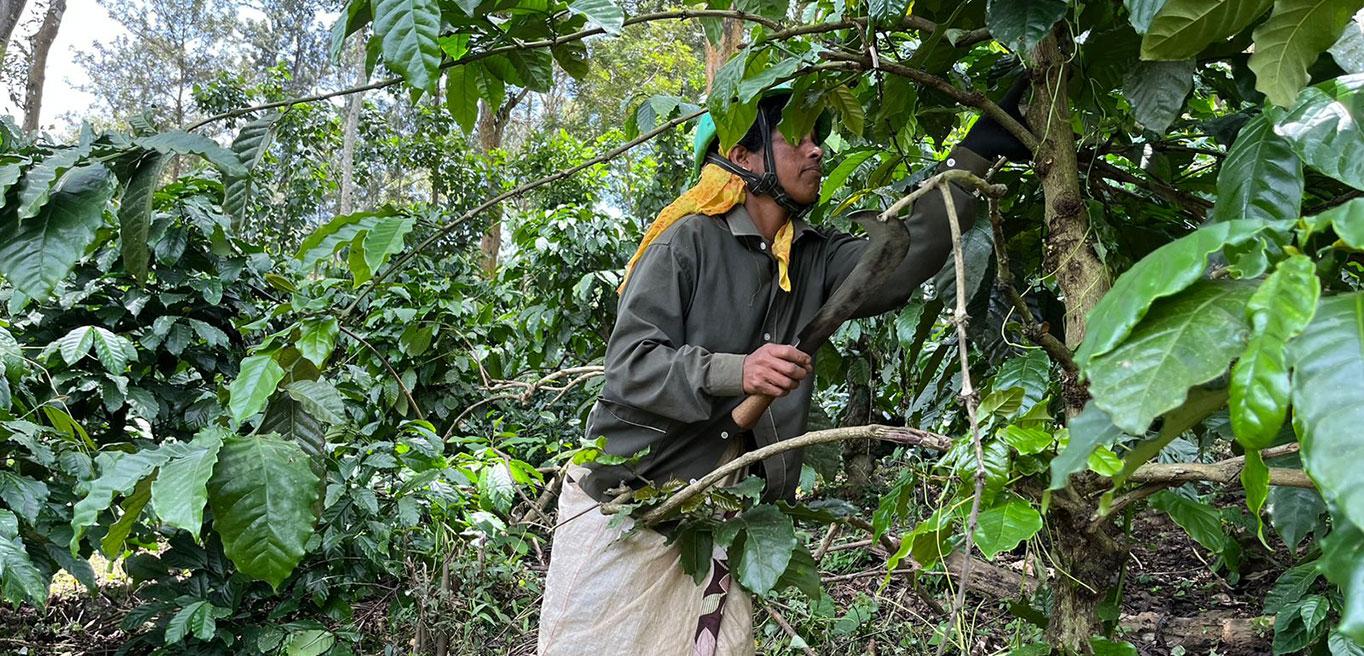
There is no single shade system that works for every coffee farm. Farmers need to adapt their approach to local conditions.
Some practical considerations include:
Choose suitable tree species
Select trees that are compatible with coffee cultivation and local environmental conditions. Native species may offer additional ecological benefits.
Maintain appropriate canopy coverage
Avoid excessive shading. The amount of shade should match the coffee variety, elevation, rainfall, and sunlight conditions.
Prune trees when necessary
Regular pruning helps manage canopy density and maintain sufficient light and airflow around coffee plants.
Monitor soil and water conditions
Observe soil moisture, plant growth, and the condition of coffee trees throughout the year.
Protect local biodiversity
Where possible, maintain a mix of suitable tree species and existing natural vegetation instead of relying on a single tree type.
Good farm management combines shade, soil care, water management, and appropriate cultivation practices.
8. Is Shade-Grown Coffee Suitable for Every Coffee Farm?
Not necessarily.
The suitability of shade-grown coffee depends on the local environment and the objectives of the farm.
In some tropical regions, shade can help protect coffee plants from intense sunlight and heat. In cooler or higher-altitude areas, coffee plants may benefit from greater sunlight exposure, depending on the local conditions.
Arabica and Robusta also have different growing characteristics, so shade requirements should not be treated as identical.
Farmers should consider local climate data, plant performance, soil conditions, and production goals before establishing or changing a shade system.
Conclusion: Healthy Coffee Farms Begin with Balanced Growing Conditions
Shade trees are more than just a source of protection from sunlight. When properly selected and managed, they can contribute to soil protection, microclimate regulation, and biodiversity on coffee farms.
However, successful shade management requires balance. Too little shade may expose plants to environmental stress, while too much can limit light and affect productivity.
For coffee producers, understanding the relationship between trees, soil, climate, and coffee plants is an important part of building resilient farming systems.
At Cầu Đất Bean, we believe that understanding coffee begins with appreciating the environment and the people behind its production.
Discover Vietnamese Coffee with Cầu Đất Bean
Explore coffee from the highlands of Cầu Đất, Đà Lạt, Vietnam.
Cầu Đất Bean supplies Vietnamese Arabica and Robusta coffee for roasters, cafés, distributors, and international buyers. Contact our team to discuss available products, processing methods, product specifications, and sample requests.
CẦU ĐẤT BEAN
Showroom: 82B Trương Công Định, Đà Lạt, Lâm Đồng, Vietnam
Email: caudatbean@gmail.com
Phone / WhatsApp: +84 926 915 849
Website: https://caudatcoffee.com.vn
Try before you buy.


 Group4, Cau Dat Village, Xuan Truong commune, Da Lat City, Lam Dong Province, Vietnam
 +84 783 472 234
 caudatbean@gmail.com
 www.caudatbean.com