
Why Does Coffee Taste Sour? Understanding Acidity in Coffee
Have you ever brewed a cup of coffee and wondered, “Why does my coffee taste sour?”
A sour taste in coffee can be caused by several factors, from the natural acidity of the coffee bean to the way it was roasted or brewed. While unpleasant sourness can indicate an extraction problem, acidity itself is an important part of a balanced and flavorful cup.
Understanding the difference can help you brew better coffee and appreciate the unique characteristics of different coffee origins.
What Causes Coffee to Taste Sour?
Coffee naturally contains a variety of acids that contribute to its flavor. Depending on the coffee's origin, variety, processing method, roast level, and brewing technique, these acids can create notes ranging from citrus and berries to apples, stone fruits, and wine-like flavors.
A pleasant acidity can make coffee taste bright, lively, and complex.
However, if your coffee tastes sharply sour, thin, or unpleasantly acidic, the problem may be under-extraction.
Sour Coffee vs. Pleasant Coffee Acidity
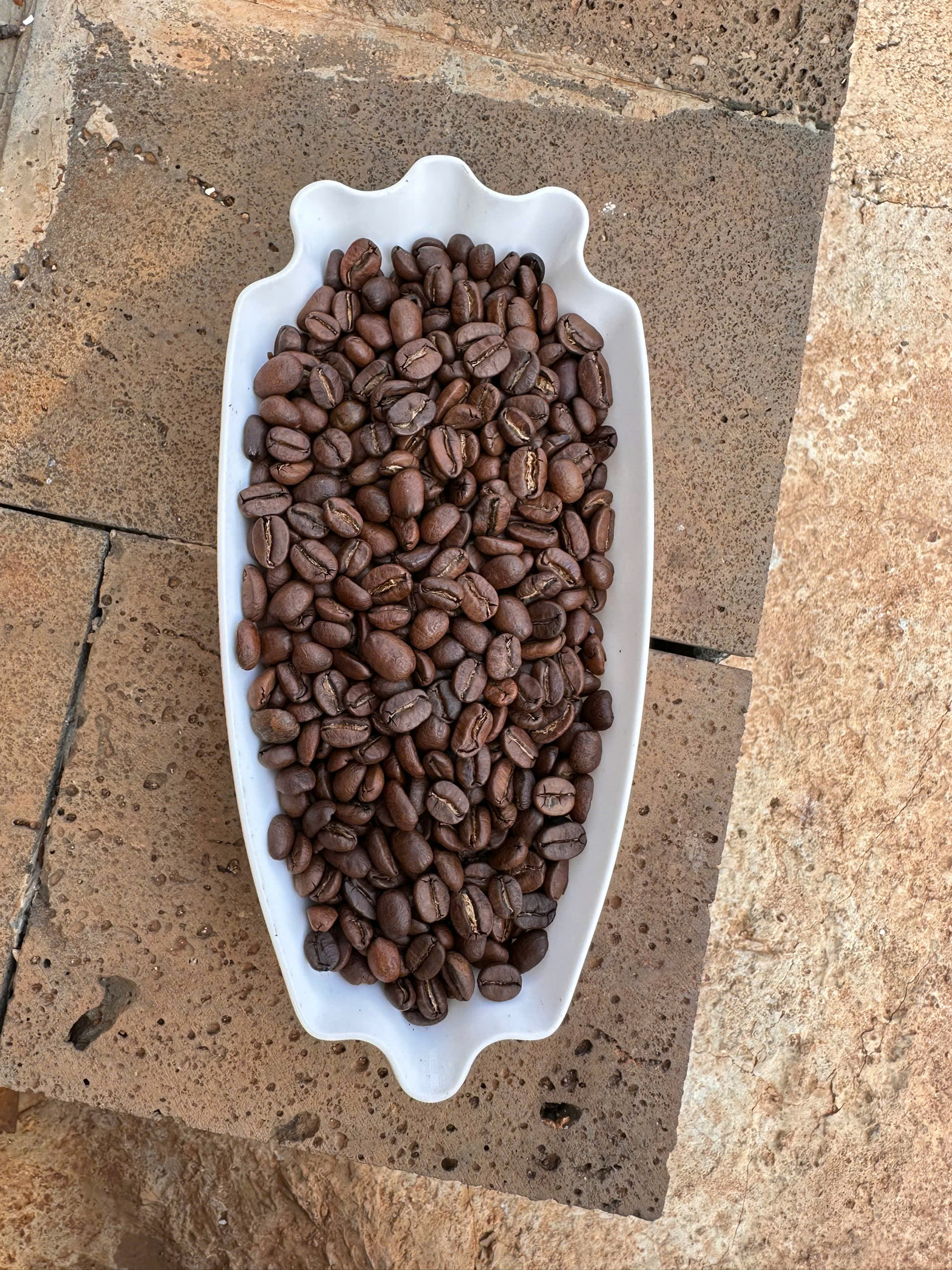
Not all acidity is bad.
Specialty coffees, particularly high-quality Arabica coffees, can have noticeable acidity that contributes to their complexity.
Pleasant acidity
A well-balanced coffee may have acidity that reminds you of:
- Citrus
- Berries
- Apples
- Stone fruits
- Wine
This type of acidity is often described as bright, clean, or vibrant.
Unpleasant sourness
Coffee that is excessively sour may taste:
- Sharp
- Thin
- Unbalanced
- Tart
- Similar to an under-ripe fruit
When this happens, your brewing method may not be extracting enough flavor from the coffee grounds.
Why Does Under-Extraction Make Coffee Sour?
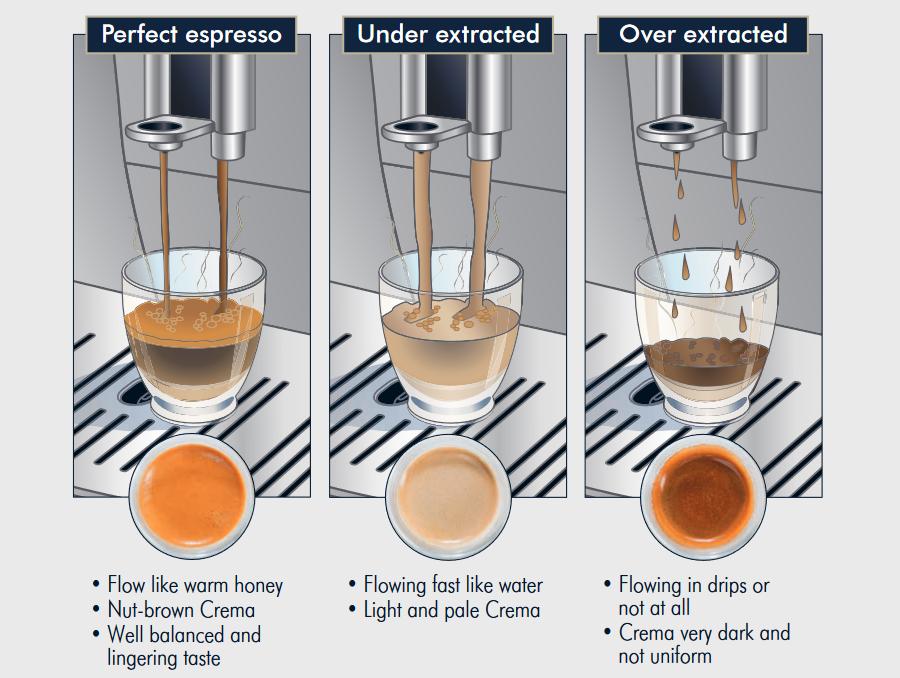
During brewing, water extracts different compounds from coffee at different stages.
If the extraction is too low, many of the desirable flavor compounds remain inside the coffee grounds. The resulting cup can taste sour, sharp, and lacking in sweetness.
Under-extraction can happen when:
- The coffee grounds are too coarse.
- The water temperature is too low.
- The brewing time is too short.
- The water flows through the coffee too quickly.
- The coffee-to-water ratio is not well balanced.
Fortunately, these factors can usually be adjusted.
How to Fix Sour Coffee
If your coffee tastes too sour, try making one change at a time.
1. Grind the coffee finer
A finer grind increases the surface area exposed to water and can help increase extraction.
2. Increase the brewing time
Allowing the water to interact with the coffee for longer can help extract more flavor.
3. Use appropriately hot water
Water that is too cool may extract the coffee unevenly and contribute to an under-extracted cup.
4. Adjust your coffee-to-water ratio
Too much water or too little coffee can change the balance of the final cup. Experiment gradually until you find the ratio that works best for your brewing method.
5. Check your coffee's roast profile
Lighter roasts generally preserve more of the coffee's natural acidity. If you prefer a rounder and less acidic cup, a medium or darker roast may suit your taste better.
Does Arabica Coffee Taste More Sour?
Arabica coffee is often associated with more noticeable acidity than Robusta, but this does not mean every Arabica coffee tastes sour.
Coffee variety, altitude, climate, processing, roasting, and brewing all influence the final cup.
High-altitude Arabica coffees can develop complex acidity and sweetness, with flavors that may resemble fruit, citrus, flowers, or wine.
This is one reason coffees from different regions can taste dramatically different even when prepared using the same brewing method.
How Roast Level Affects Acidity
Roasting has a major influence on coffee flavor.
Light roast
Lightly roasted coffee generally preserves more of its original characteristics and can have brighter acidity and more delicate flavors.
Medium roast
Medium roasting often creates a balance between acidity, sweetness, body, and roast character.
Dark roast
As roasting becomes darker, acidity generally becomes less pronounced while roasted, bitter, smoky, or chocolate-like characteristics become more noticeable.
There is no universally “best” roast level. The ideal choice depends on the coffee and your personal preference.
The Key to Better Coffee
When coffee tastes sour, don't immediately assume the beans are bad.
First, consider the extraction.
A high-quality coffee can taste sour when it is under-extracted, while the same coffee may become sweet, balanced, and complex after adjusting the grind size, brewing time, or water temperature.
Learning how to identify acidity and extraction is one of the most useful steps toward becoming a better coffee brewer.
Discover Cau Dat Coffee
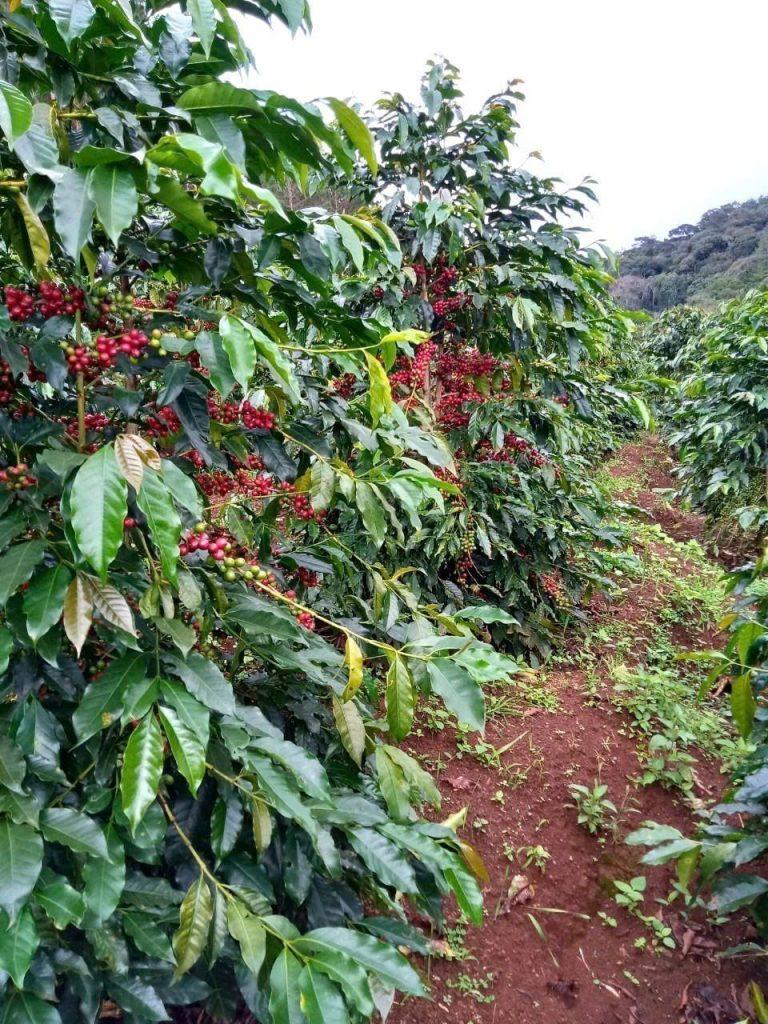
At Cau Dat Bean, we focus on coffees from the highlands of Da Lat, including carefully selected Arabica varieties from the Cau Dat coffee-growing region.
If you would like to explore different roast profiles and discover how origin and roasting influence flavor, visit our showroom in Da Lat.
Cau Dat Bean Showroom
📍 82B Truong Cong Dinh Street, Da Lat, Lam Dong, Vietnam
📞 +84 926 915 849
Come and taste the difference for yourself.
Frequently Asked Questions
Why does my coffee taste sour?
Coffee may taste sour because of its natural acidity or because it is under-extracted. If the sourness is sharp and unpleasant, try a finer grind, longer brewing time, or slightly hotter water.
Is sour coffee bad?
Not necessarily. Pleasant acidity is a desirable characteristic in many specialty coffees. The key is whether the acidity is balanced with sweetness, body, and other flavors.
Does Arabica coffee taste sour?
Arabica can have noticeable acidity, especially coffees grown at higher elevations, but the flavor depends on the variety, origin, processing, roast, and brewing method.
How do I make sour coffee taste better?
If the coffee is unpleasantly sour, try grinding finer, increasing brewing time, or adjusting the water temperature to increase extraction.
Is acidity good in coffee?
Yes. Balanced acidity can make coffee taste bright, sweet, complex, and lively. It is an important part of the flavor profile of many specialty coffees.


 Group4, Cau Dat Village, Xuan Truong commune, Da Lat City, Lam Dong Province, Vietnam
 +84 783 472 234
 caudatbean@gmail.com
  www.caudatbean.com