
Why Does Coffee Taste Different in the Morning? Understanding Coffee Freshness
Have you ever brewed the same coffee two mornings in a row, only to notice that it tastes slightly different?
The beans are the same.
The grinder is the same.
The brewing method is the same.
But one morning the coffee smells incredibly aromatic, while the next morning it seems flatter or less expressive.
This can happen because coffee is not a completely stable product. After roasting, coffee continues to change. Exposure to oxygen, storage conditions, grinding, and brewing can all influence the aroma and flavor you experience.
So, what exactly makes coffee taste fresh?
And why can a coffee change even when you use the same beans?
What Does Coffee Freshness Mean?
Coffee freshness generally refers to how much the coffee has changed since roasting, particularly in terms of aroma, flavor, and volatile compounds.
Freshly roasted coffee contains many aromatic compounds and also retains carbon dioxide produced during roasting. Over time, the coffee releases gases and gradually interacts with oxygen.
This does not mean that the newest coffee is always the best coffee.
Coffee usually needs some time after roasting before it reaches a suitable stage for brewing. This is why freshness is better understood as a window of quality, rather than simply the number of days since roasting.
Why Does Coffee Change After Roasting?
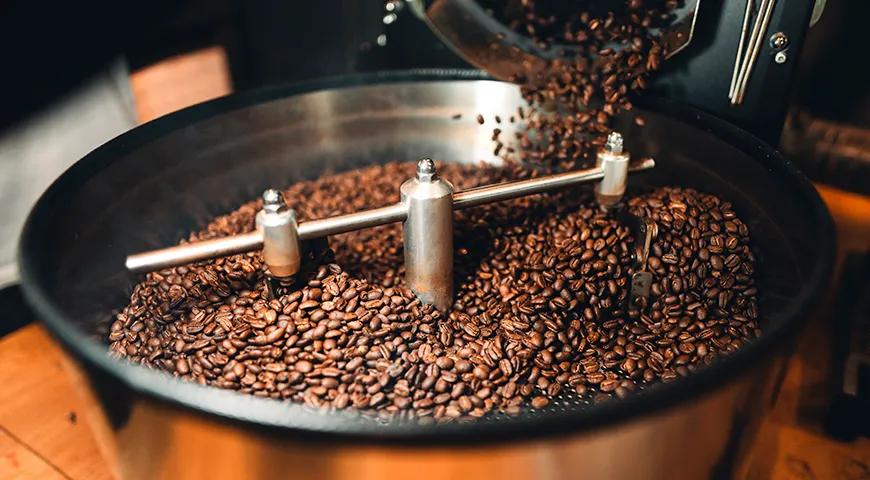
Roasting transforms green coffee into roasted coffee through a complex series of physical and chemical reactions.
During roasting:
-
Moisture is reduced
-
The bean expands
-
The structure becomes more porous
-
Aroma compounds are formed
-
Carbon dioxide is produced
-
The color changes
-
Flavor compounds develop
After roasting, the process does not simply stop.
The roasted bean continues releasing gases, while some aroma compounds gradually escape and other compounds can change through exposure to oxygen.
This is part of the reason coffee tastes different at different stages after roasting.
Freshness and Degassing Are Connected
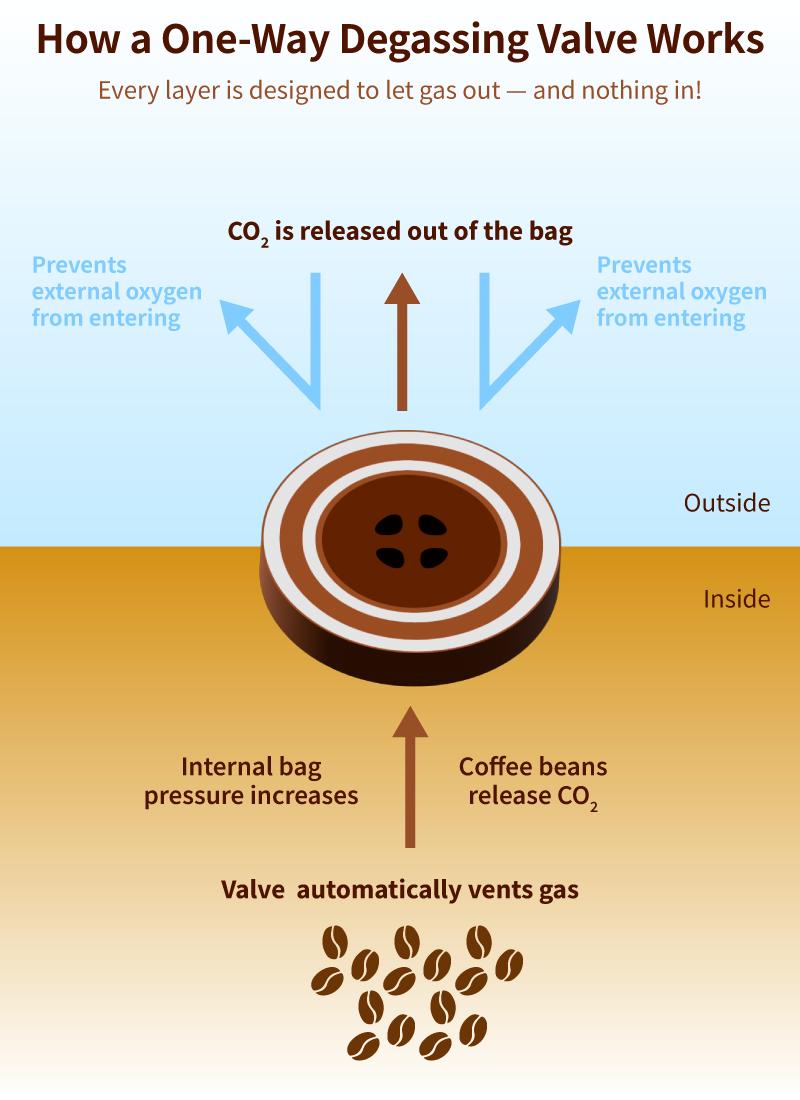
One important process after roasting is degassing.
Roasted coffee retains carbon dioxide inside its porous structure. After roasting, this gas gradually escapes from the bean.
This process can affect brewing because CO₂ can influence how water interacts with freshly ground coffee.
Very fresh coffee may therefore behave differently from coffee that has rested for several days.
This is also why freshly roasted coffee can produce a noticeable bloom during pour-over brewing.
However, a large bloom does not automatically mean better coffee.
The goal is not to keep as much gas as possible.
The goal is to reach a stage where the coffee extracts well and expresses its desirable characteristics.
Why Does Coffee Smell So Good Right After Grinding?
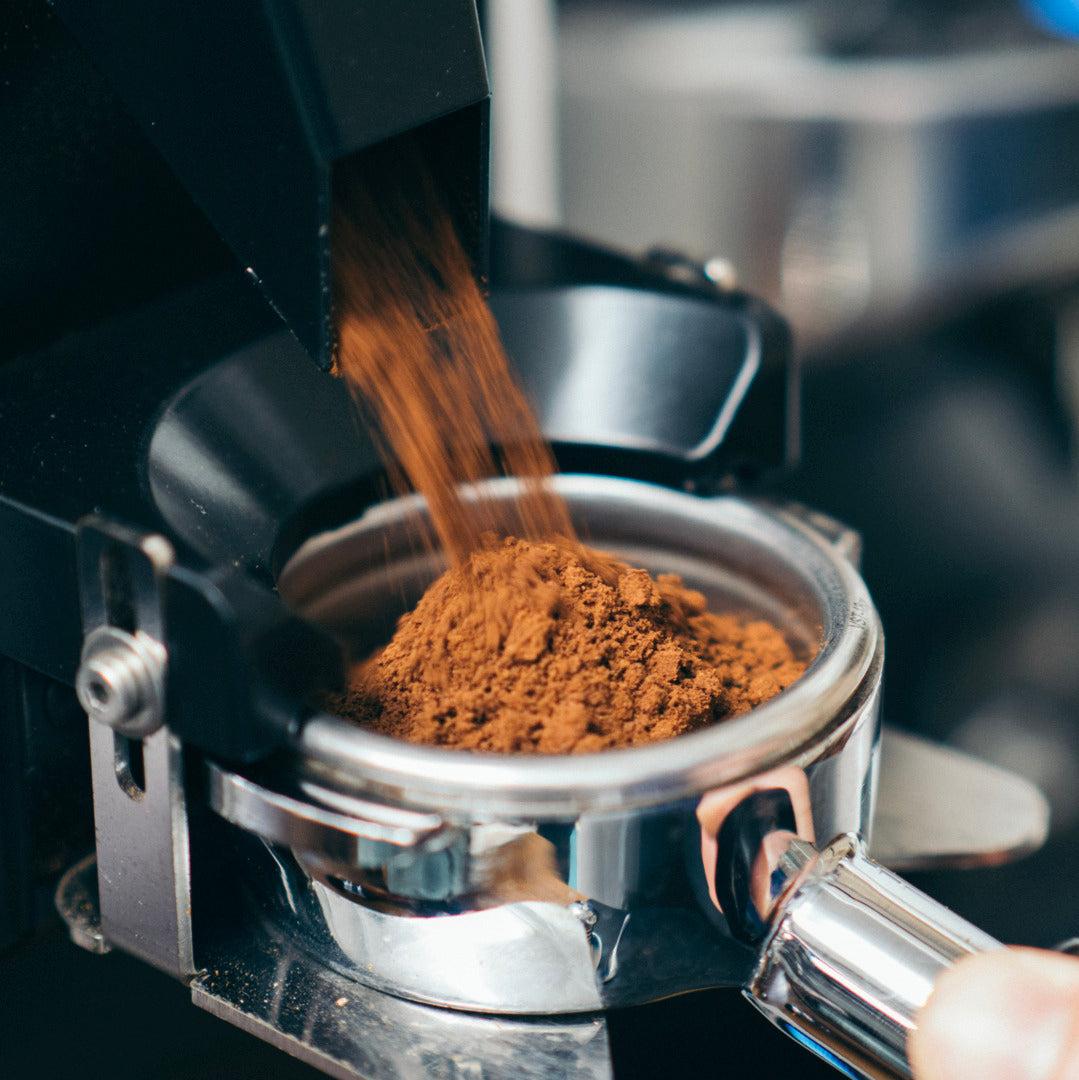
Grinding dramatically increases the surface area of coffee.
A whole roasted bean has relatively limited exposure to air. Once it is ground, many new surfaces are exposed.
This allows aromatic compounds to escape much more easily.
That is why freshly ground coffee can smell so intense.
You may notice aromas such as:
-
Chocolate
-
Caramel
-
Nuts
-
Citrus
-
Flowers
-
Berries
-
Roasted notes
The exact aroma depends on the coffee, variety, processing method, roast profile, and storage condition.
The strong fragrance immediately after grinding is one of the simplest ways to experience coffee freshness.
Why Does Pre-Ground Coffee Lose Aroma Faster?
Pre-ground coffee has much more surface area exposed to the surrounding environment than whole beans.
As a result, aromatic compounds can escape more quickly.
Oxygen can also interact with compounds responsible for coffee's aroma and flavor.
This is why grinding coffee shortly before brewing is generally recommended when you want to preserve more aroma and flavor.
The difference can be especially noticeable with coffees that have delicate floral or fruity characteristics.
Oxygen and Coffee Freshness
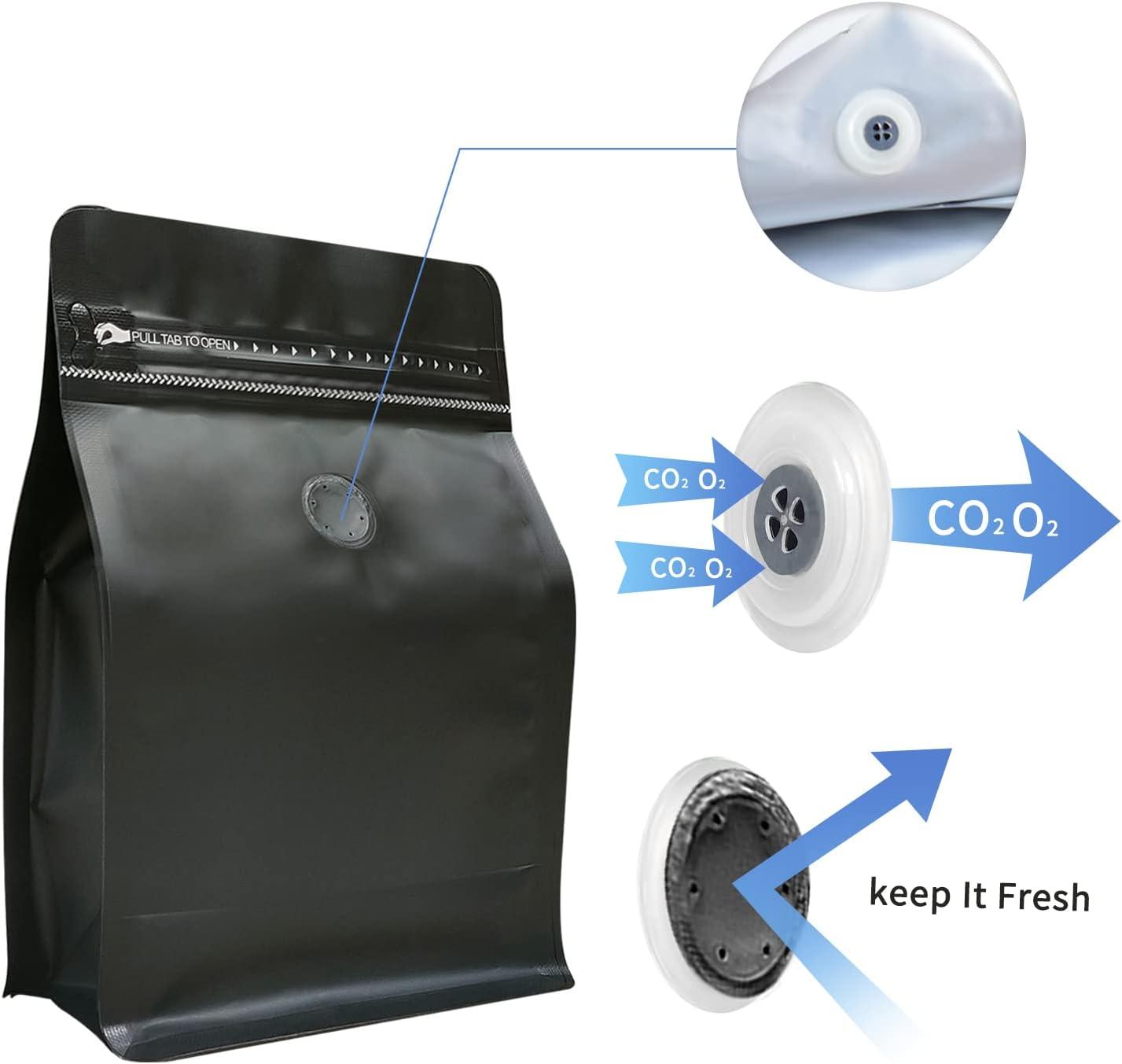
Oxygen is one of the important factors in coffee deterioration.
Once roasted coffee is exposed to oxygen, oxidation can gradually affect compounds responsible for aroma and flavor.
This does not happen instantly.
Instead, coffee changes gradually over time.
The speed of these changes depends on several factors, including:
-
Storage temperature
-
Exposure to oxygen
-
Packaging
-
Grinding
-
Roast level
-
Storage duration
-
Coffee composition
This is why proper packaging is important for roasted coffee.
Does Coffee Packaging Matter?
Yes.
Good coffee packaging helps slow unwanted changes after roasting.
Roasted coffee is commonly packaged in bags designed to reduce oxygen exposure. Many coffee bags also use a one-way valve, allowing gases released by the coffee to escape without allowing outside air to enter easily.
For whole-bean coffee, keeping the package sealed when not in use can help reduce unnecessary exposure to air.
Once the bag is opened repeatedly, more oxygen enters the package and the coffee can gradually lose some of its aromatic character.
What About Light and Heat?
Storage temperature can also influence coffee freshness.
High temperatures can accelerate chemical changes in coffee.
Direct sunlight and heat are therefore not ideal for storing roasted beans.
A practical approach is to keep coffee:
-
In a cool place
-
Away from direct sunlight
-
In a well-sealed package
-
Away from moisture
-
Away from strong odors
Coffee can absorb surrounding odors, so storing it next to strongly scented foods or chemicals is also best avoided.
Does Dark Roast Stay Fresh Longer?
Not necessarily.
Roast level changes the physical structure and chemical composition of the coffee bean, but freshness is influenced by many factors.
Dark roasted coffee can become more porous and may behave differently during storage compared with lighter roasted coffee.
Light, medium, and dark roasts can all lose aroma and change over time.
Rather than assuming one roast level stays fresh longer, it is more useful to consider the coffee's roast profile, packaging, storage, and intended brewing method.
How Does Freshness Affect Flavor?
As coffee changes over time, you may notice differences in several sensory characteristics.
A relatively fresh coffee may show:
-
Stronger aroma
-
More expressive flavor
-
Clearer tasting notes
-
Noticeable sweetness
-
More vibrant acidity
As coffee ages and loses volatile compounds, it may become:
-
Less aromatic
-
Flatter
-
Less expressive
-
More muted
However, freshness should not be judged by aroma alone.
A coffee can smell pleasant but still require adjustments in brewing.
The final cup is what matters.
Is the Freshest Coffee Always the Best?
No.
This is one of the most important things to understand about coffee freshness.
Coffee that has just been roasted may contain a large amount of CO₂ and can sometimes be difficult to extract evenly.
Depending on the coffee and brewing method, allowing the beans to rest can produce a more balanced and expressive cup.
There is no universal number of days that works for every coffee.
A light-roasted Arabica for pour-over may behave differently from a darker roast intended for espresso.
The best approach is to observe the coffee and taste it over time.
A Simple Freshness Experiment
Want to see how coffee changes?
Try a simple comparison.
Use the same coffee and brew it at several stages after roasting.
For example:
Sample 1 – Early Stage
Brew the coffee relatively soon after roasting.
Take notes on:
-
Aroma
-
Acidity
-
Sweetness
-
Body
-
Extraction
Sample 2 – After Several Days
Brew the same coffee again.
Compare the aroma and flavor with the first sample.
Sample 3 – Later Stage
Taste it again after additional resting time.
You may notice that the coffee becomes easier to extract and that certain flavors become clearer.
This simple experiment can teach you more about coffee freshness than following a fixed rule.
Freshness Depends on the Whole Coffee Journey
It is easy to think about freshness only as the roast date.
But coffee freshness is actually connected to a much longer journey:
Green coffee → Processing → Drying → Storage → Roasting → Degassing → Grinding → Brewing
Every stage can influence the final sensory experience.
The quality of the green coffee matters.
Processing matters.
Roasting matters.
Storage matters.
Grinding matters.
And brewing matters.
Freshness is therefore not just about having a recent roast date. It is about how well the coffee's desirable characteristics are preserved throughout this journey.
Why Freshness Matters for High-Altitude Arabica
High-altitude Arabica coffees can have delicate aromas and flavors that are particularly interesting to explore.
Cau Dat Arabica, grown in the highlands of Da Lat, is associated with varieties and lots that can show floral, fruity, sweet, or clean characteristics depending on origin, variety, processing, and roasting.
For these coffees, preserving aroma after roasting can be especially important because delicate aromatic compounds contribute significantly to the overall sensory experience.
Good storage and appropriate brewing help reveal these characteristics.
Freshness and Vietnamese Coffee
Vietnamese coffee culture also provides an interesting example.
Traditional Vietnamese coffee is often brewed using a metal phin, while Vietnamese specialty Arabica can also be brewed through pour-over and other filter methods.
The same roasted coffee can therefore be experienced in different ways.
A fresh, aromatic Arabica brewed through a paper filter may highlight clarity and delicate flavors.
The same coffee brewed through a metal filter may provide a fuller texture.
Freshness remains important in both cases, but the brewing method determines how the coffee's characteristics are presented.
How to Keep Roasted Coffee Fresh
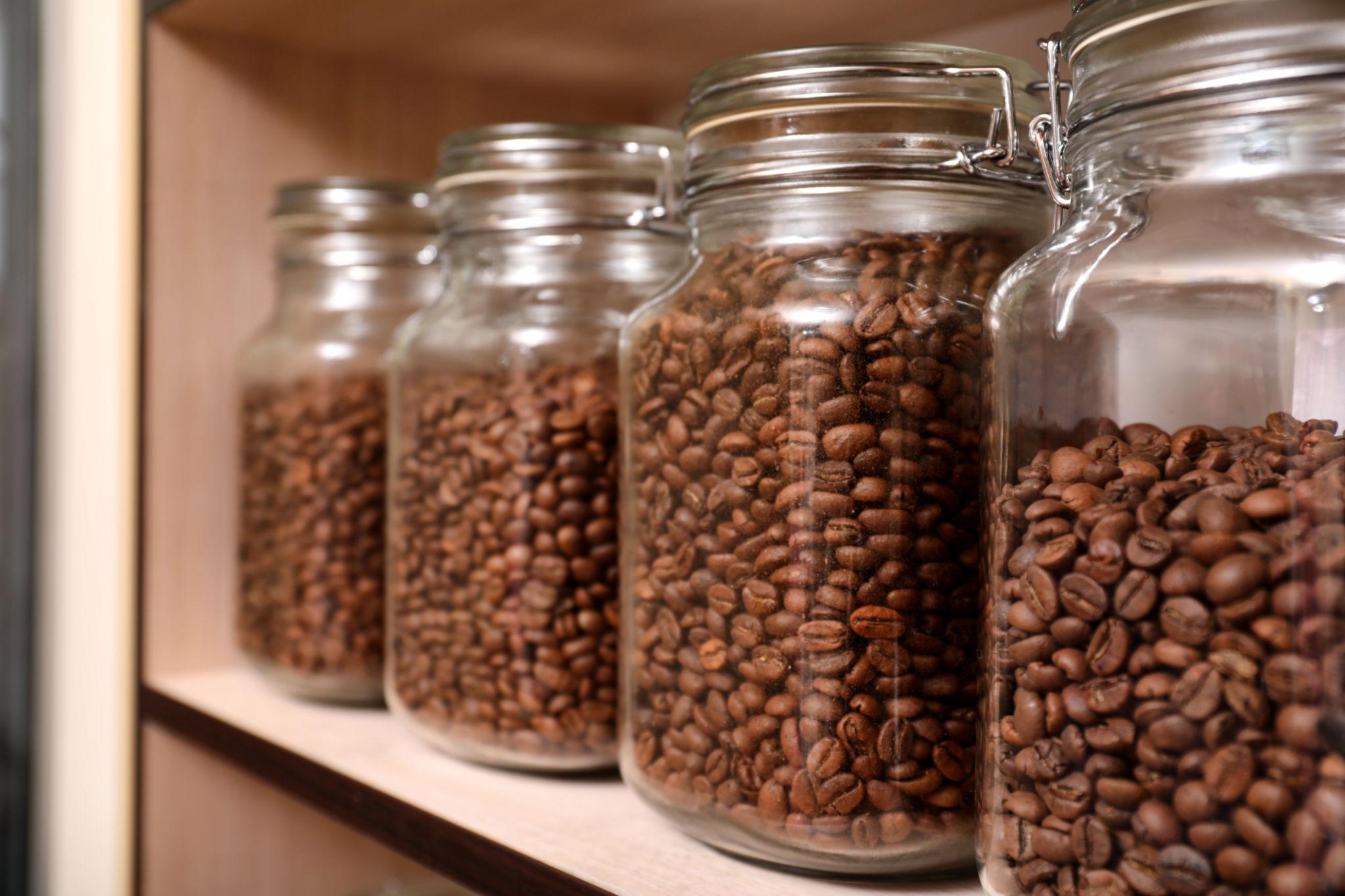
You do not need complicated equipment to protect your coffee.
A few simple habits can help:
1. Keep Beans Whole
Grind only the amount you need for each brew.
2. Keep the Package Sealed
Close the bag properly after each use.
3. Avoid Heat and Sunlight
Store coffee in a cool, dry location away from direct sunlight.
4. Avoid Strong Odors
Coffee can interact with surrounding aromas, so keep it away from strongly scented products.
5. Buy an Appropriate Quantity
Buying smaller quantities that you can use within a reasonable period can help you enjoy the coffee while it is still aromatic.
What Does Fresh Coffee Really Mean?
Fresh coffee does not simply mean coffee that was roasted yesterday.
A better definition is:
Coffee that is at a suitable stage after roasting, has been stored properly, and still retains the aroma and flavor characteristics you want to experience.
That definition leaves room for different coffees and different brewing methods.
A coffee's ideal brewing window can vary.
And that is part of what makes coffee interesting.
Final Thoughts
Coffee freshness is more complicated than a roast date printed on a bag.
After roasting, coffee continues to release gases, lose volatile aroma compounds, and gradually interact with oxygen.
Grinding, packaging, temperature, storage, and brewing can all influence how quickly these changes become noticeable.
Instead of asking only:
“How fresh is this coffee?”
Try asking:
“How is this coffee behaving today?”
Taste it.
Smell it.
Compare it.
Adjust your brewing.
Over time, you will begin to recognize the stage when a particular coffee expresses itself most clearly.
At Cau Dat Bean, we believe that understanding coffee is part of enjoying it. From the highlands of Da Lat to the final brew, every stage contributes to the experience.
Discover Cau Dat Bean
Explore Vietnamese coffee from the highlands of Da Lat and discover how origin, roasting, freshness, and brewing shape the final cup.
Cau Dat Bean Showroom
📍 82B Truong Cong Dinh, Xuan Huong Ward, Da Lat, Lam Dong, Vietnam
📞 +84 926 915 849
📧 caudatbean@gmail.com
Try before you buy.
Frequently Asked Questions
How long does coffee stay fresh after roasting?
There is no single period that applies to every coffee. Roast level, packaging, storage, coffee type, and brewing method all influence how the coffee changes over time.
Is coffee better immediately after roasting?
Not necessarily. Freshly roasted coffee can contain significant amounts of CO₂ and may benefit from resting before brewing.
Should I store coffee in the refrigerator?
For everyday storage, a cool, dry place in a well-sealed package is generally simpler. Frequent temperature changes and moisture exposure can be problematic.
Why does freshly ground coffee smell stronger?
Grinding increases the surface area of the coffee dramatically, allowing more aromatic compounds to escape.
Does whole-bean coffee stay fresh longer than ground coffee?
Generally, yes. Whole beans have less surface area exposed to oxygen, so they usually retain aroma better than coffee that has already been ground.
Can old coffee still taste good?
Yes. Coffee does not suddenly become undrinkable after a specific date. It gradually loses some aroma and flavor intensity, and brewing adjustments may sometimes help.
What is the best way to store roasted coffee?
Keep it sealed, away from heat, sunlight, moisture, and strong odors. Grinding only what you need before brewing can also help preserve aroma.


 Group4, Cau Dat Village, Xuan Truong commune, Da Lat City, Lam Dong Province, Vietnam
 +84 783 472 234
 caudatbean@gmail.com
  www.caudatbean.com