
Why Does Coffee Leave an Aftertaste?
Have you ever taken a sip of coffee, swallowed, and noticed that the flavor is still there several seconds later?
Maybe you notice a gentle sweetness.
Maybe there is a pleasant chocolate note.
Perhaps you feel a bright fruity acidity that slowly fades.
Or sometimes, the coffee leaves a dry, bitter sensation that stays longer than you expected.
That lingering sensation is called aftertaste, or sometimes finish, and it is an important part of the coffee drinking experience.
Coffee is not only about the flavor you notice during the first sip.
What remains after the sip can tell you something about the coffee's balance, body, roast, processing, and brewing.
What Is Coffee Aftertaste?
Coffee aftertaste is the flavor and sensation that remain in your mouth after you swallow or spit out the coffee.
It is often described as the finish of a coffee.
Imagine tasting a coffee with notes of caramel and dark chocolate.
At first, you may notice sweetness and roasted aromas.
After swallowing, the chocolate character may remain for several seconds.
That lingering chocolate impression is part of the coffee's aftertaste.
Another coffee might finish with citrus, berries, flowers, nuts, or a gentle sweetness.
The finish can be short, medium, or long.
It can also be pleasant, neutral, dry, bitter, sweet, clean, or complex.
Why Does Coffee Have an Aftertaste?
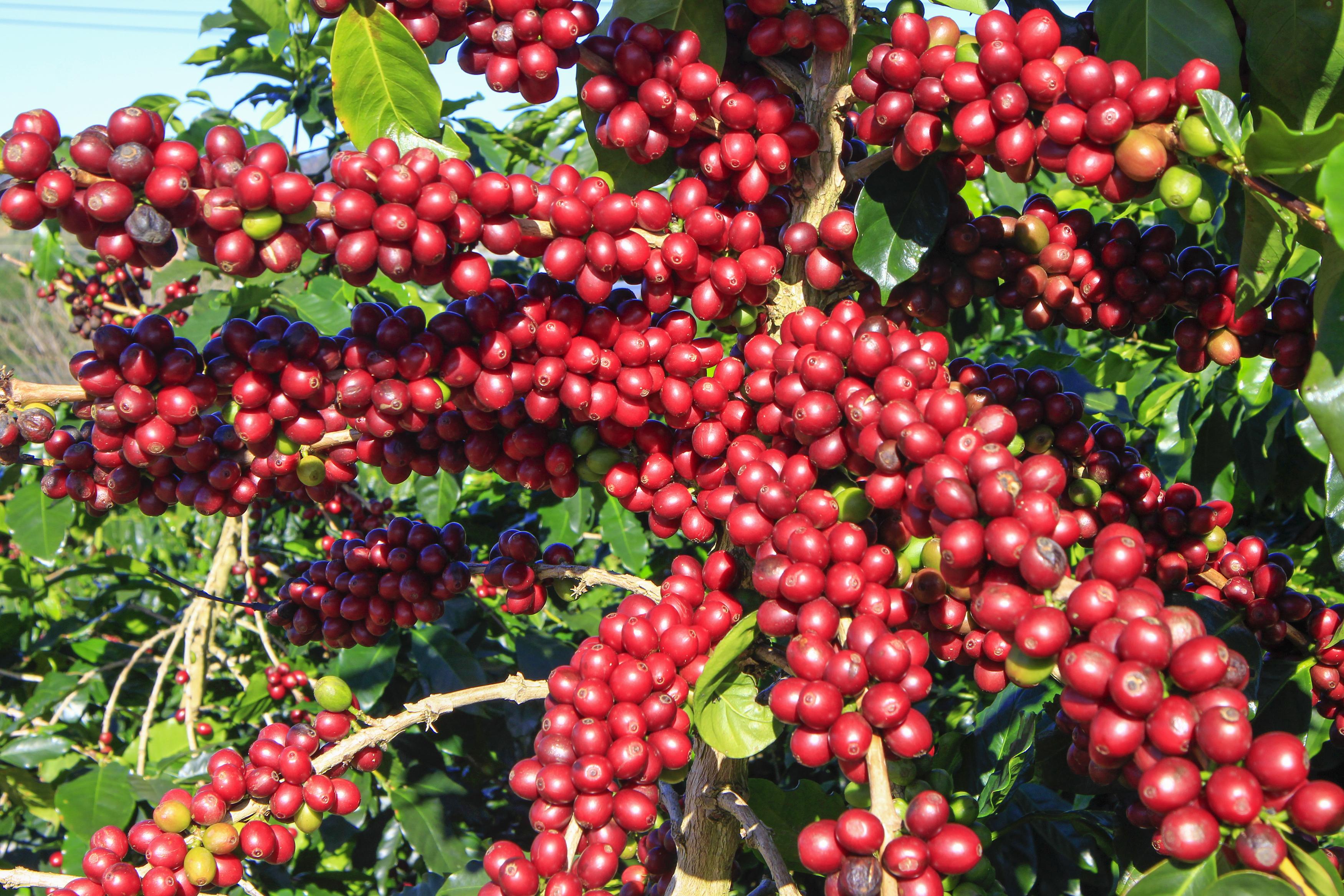
Coffee contains hundreds of aroma and flavor compounds.
Some are perceived immediately when you take a sip, while others remain longer in the mouth or continue to be perceived through retronasal aroma after swallowing.
The interaction between coffee compounds, saliva, temperature, texture, and aroma all contributes to the experience.
This is why coffee flavor does not simply disappear the moment you swallow.
Some characteristics fade quickly.
Others stay.
The result is what we experience as the coffee's finish.
Short vs. Long Aftertaste
Not every coffee has a long finish.
And a longer aftertaste does not automatically mean a better coffee.
Short Aftertaste
A coffee with a short finish may disappear relatively quickly after swallowing.
This can happen with coffees that feel light, delicate, or very clean.
For some bright filter coffees, a short and clean finish can be part of the intended profile.
Long Aftertaste
A coffee with a long finish can continue developing after the sip.
You might notice:
-
Sweetness
-
Chocolate
-
Caramel
-
Fruit
-
Floral aromas
-
Spice
-
Nuts
-
A gentle acidity
A long finish can make a coffee feel more complex because the flavor continues to change rather than disappearing immediately.
But again, longer does not automatically mean better.
What matters is what remains and whether it is pleasant and balanced.
What Makes a Coffee Finish Pleasant?
There is no single flavor that defines a good aftertaste.
Different coffees can finish in very different ways.
One coffee might leave a clean citrus sensation.
Another might have a sweet caramel finish.
A natural-process coffee may leave ripe fruit or berry characteristics.
A darker roast may leave chocolate, caramel, spice, or roasted notes.
The important factor is balance.
A pleasant finish usually feels connected to the coffee's overall flavor rather than appearing as an unpleasant sensation after the main flavor disappears.
For example, if a coffee begins with a sweet aroma, tastes balanced in the middle, and finishes with gentle chocolate sweetness, the experience can feel cohesive.
How Roast Level Affects Aftertaste
Roasting plays an important role in the final flavor of coffee.
During roasting, heat transforms the physical and chemical characteristics of green coffee beans and creates many of the aromas and flavors associated with roasted coffee.
Light Roast
Lighter roasts often preserve more of the coffee's origin character.
Depending on the coffee, the finish may show:
-
Citrus
-
Berries
-
Floral notes
-
Tea-like qualities
-
Bright acidity
-
Delicate sweetness
These coffees can have a clean and refreshing finish.
Medium Roast
Medium roasts often create a balance between origin character and roast development.
The finish may include:
-
Caramel
-
Chocolate
-
Nuts
-
Fruit
-
Brown sugar
-
Gentle acidity
This balance makes medium-roasted coffee popular for many brewing styles.
Dark Roast
Darker roasting generally emphasizes roast-derived flavors more strongly.
The finish may become:
-
Dark chocolate
-
Toasted nuts
-
Caramel
-
Spice
-
Roasted flavors
If roasting goes too far for a particular coffee, the finish may become excessively bitter, smoky, or dry.
Processing Can Change the Finish
Coffee processing also influences how a coffee develops its flavor profile.
The three common processing approaches — washed, honey, and natural — can produce noticeably different sensory characteristics.
Washed Coffee
Washed coffees are often associated with clarity and a clean finish.
Depending on the variety and origin, you may notice:
-
Citrus
-
Floral notes
-
Apple-like acidity
-
Clean sweetness
The finish can feel crisp and transparent.
Honey Process
Honey-processed coffees can offer a balance between clarity and sweetness.
The finish may feel:
-
Rounder
-
Sweeter
-
Smoother
-
More caramel-like
Of course, the final result depends on the coffee variety, drying conditions, fermentation, and roasting.
Natural Process
Natural coffees are dried with the fruit surrounding the seed.
They can develop more pronounced fruit characteristics.
The finish may remind you of:
-
Berries
-
Ripe fruit
-
Tropical fruit
-
Wine-like notes
-
Dried fruit
These coffees can leave a particularly expressive and lingering impression.
Does Coffee Variety Affect Aftertaste?
Yes.
Coffee varieties have different genetic characteristics, and these can contribute to differences in aroma, acidity, sweetness, body, and finish.
For example, Arabica varieties such as Typica, Bourbon, Yellow Bourbon, and Catimor can show different sensory expressions depending on where they are grown and how they are processed.
However, variety is only one part of the story.
The final cup is influenced by many factors working together:
Variety + environment + harvesting + processing + roasting + brewing
That is why two coffees from the same variety can still taste very different.
Does Origin Affect Coffee Aftertaste?
Origin can have a major influence on coffee flavor.
Climate, elevation, soil, rainfall, temperature, and farming practices all contribute to the environment in which coffee cherries develop.
Coffees grown in different regions can therefore show different combinations of acidity, sweetness, aroma, body, and finish.
Cầu Đất, Đà Lạt is particularly interesting because Arabica is grown in a cool highland environment.
Depending on the variety and processing method, Cầu Đất Arabica can show clean acidity, floral or fruity aromas, gentle sweetness, and a lingering finish.
But it is important to remember that origin does not guarantee one fixed flavor.
Every lot can be different.
How Brewing Changes the Finish
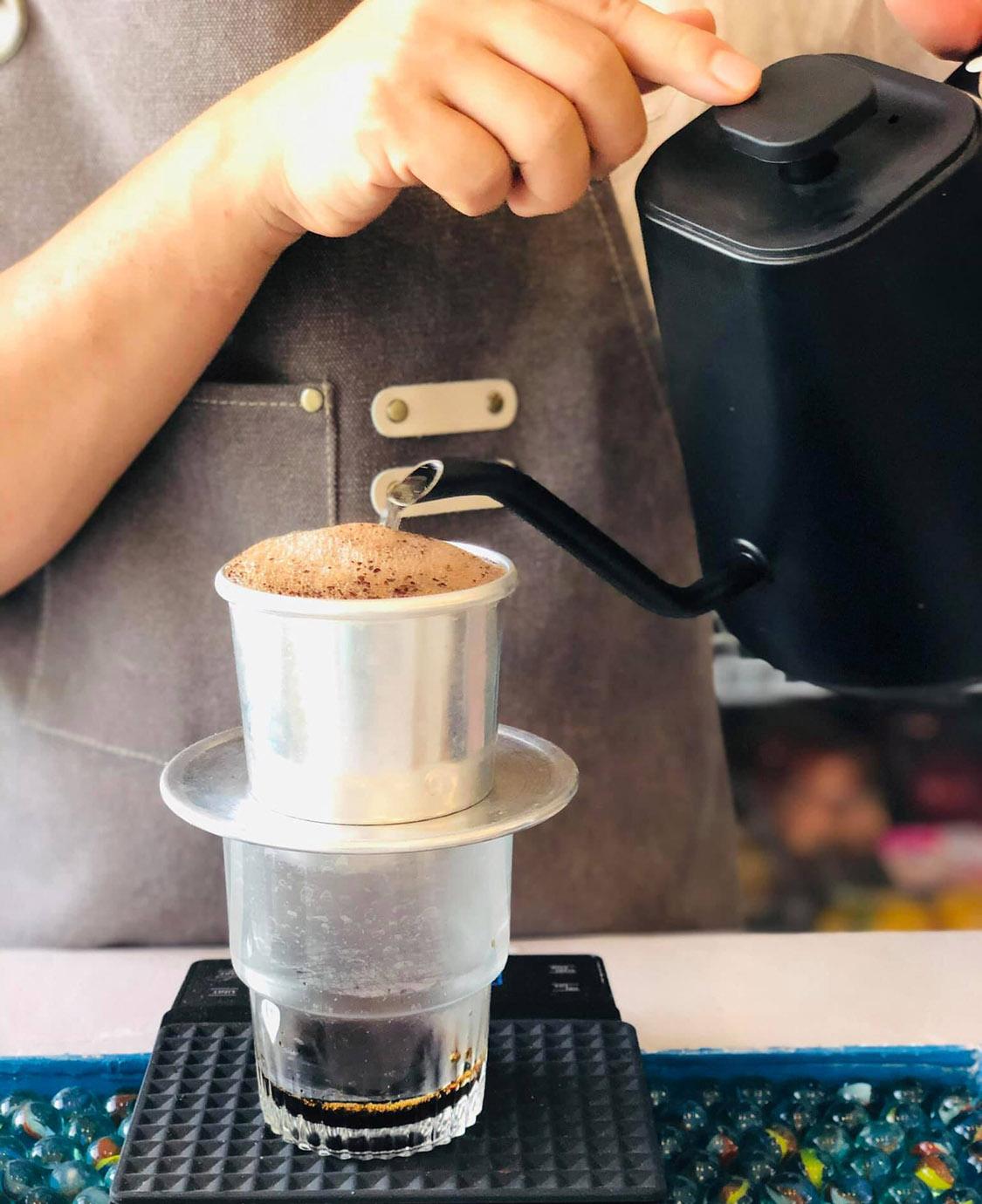
Even when you start with the same coffee, your brewing method can change the final aftertaste.
Pour-Over
Pour-over brewing often highlights clarity and delicate flavors.
A well-extracted coffee may finish cleanly with noticeable acidity and sweetness.
French Press
French press coffee usually retains more oils and fine particles.
This can create a heavier body and a different type of finish.
Espresso
Espresso is concentrated, so the finish can feel particularly intense.
Chocolate, caramel, fruit, spice, or roasted flavors may remain for quite some time.
Vietnamese Phin
The Vietnamese phin creates a slow brewing experience and can produce a rich, concentrated cup.
Depending on the coffee and recipe, the finish may emphasize chocolate, nuts, caramel, sweetness, or roasted character.
This is one reason the same coffee can feel very different when brewed with a phin compared with a pour-over.
What About Bitterness in the Aftertaste?
A bitter finish is not always a problem.
Coffee naturally contains bitter compounds, and a small amount of bitterness can contribute to balance.
The problem is when bitterness becomes excessive or unpleasant.
A lingering harsh bitterness may be related to factors such as:
-
Over-extraction
-
Very fine grinding
-
Excessive brewing time
-
Very high brewing temperature
-
Dark roasting
-
Coffee freshness
-
Brewing imbalance
When the coffee tastes dry, harsh, or burnt long after swallowing, the issue may be in the brewing or roasting rather than the coffee's natural character.
Why Does Coffee Sometimes Leave a Dry Feeling?
Some coffees leave a sensation of dryness or roughness in the mouth.
This is often called astringency.
Astringency is not exactly the same as bitterness.
Bitterness is a taste.
Astringency is more of a physical sensation — a drying or puckering feeling in the mouth.
Some astringency can be part of certain coffees, but excessive astringency may indicate an extraction or brewing issue.
This is another reason why tasting the finish is useful.
It can reveal characteristics that are not immediately obvious during the first sip.
How to Taste Coffee's Aftertaste
You do not need to be a professional coffee taster to notice a coffee's finish.
Try this simple exercise.
Step 1: Take a Small Sip
Let the coffee cover your tongue.
Pay attention to the first flavors you notice.
Step 2: Swallow
Notice what remains immediately afterward.
Is it sweet?
Bright?
Bitter?
Dry?
Chocolate-like?
Fruity?
Step 3: Wait
Give it a few seconds.
Does the flavor disappear quickly or continue developing?
Step 4: Notice the Change
A good coffee can change as the finish develops.
For example:
First sip: bright acidity
Middle: caramel sweetness
Finish: chocolate and dried fruit
This changing experience is one of the things that makes specialty coffee interesting.
What Does a Clean Finish Mean?
You may hear coffee professionals describe a coffee as having a clean finish.
This generally means the flavor fades without leaving an unpleasant or distracting sensation.
A clean finish does not necessarily mean the coffee has no flavor.
Quite the opposite.
A coffee can have a strong and complex flavor while still finishing cleanly.
For many washed Arabicas, clarity and cleanliness are important characteristics.
Can Aftertaste Help You Choose Coffee?
Absolutely.
If you know what kind of finish you enjoy, it can help you choose coffee more confidently.
If you prefer:
Sweet and smooth:
Look for coffees with caramel, chocolate, brown sugar, or honey-like characteristics.
Bright and refreshing:
Look for coffees with citrus, berry, or floral characteristics.
Rich and full:
Look for coffees with chocolate, nuts, spice, or deeper roasted notes.
Fruity and expressive:
Natural-process coffees may be worth exploring.
The important thing is not to search for the "best" aftertaste.
Search for the finish that matches your own preference.
From Cầu Đất Bean to the Final Sip
At Cau Dat Bean, coffee begins long before it reaches the cup.
The variety, highland growing conditions, harvest, processing, roasting, and brewing all contribute to what you eventually taste.
Cầu Đất Arabica can be enjoyed through different brewing methods, and each method can reveal a different side of the coffee.
One cup may highlight floral aromas.
Another may bring out caramel sweetness.
Another may emphasize chocolate, fruit, or a longer finish.
That is what makes coffee so interesting.
The final sip is not simply the end of the drink.
It is part of the story.
Final Thoughts
So, why does coffee leave an aftertaste?
Because coffee contains a complex combination of flavor and aroma compounds, and the way we perceive them continues after the initial sip.
The finish can be short or long, sweet or bright, clean or intense.
It is influenced by many factors — from variety and origin to processing, roasting, freshness, and brewing.
The next time you drink coffee, don't rush to take the next sip.
Pause for a moment.
Notice what remains.
You may discover that some of the most interesting flavors in coffee are waiting at the very end.
Try Before You Buy
Looking for Vietnamese Arabica and coffee from the highlands of Đà Lạt?
Visit Cau Dat Bean and explore our coffee selection.
Cau Dat Bean Showroom
82B Trương Công Định, Phường Xuân Hương, Đà Lạt, Lâm Đồng, Vietnam
Phone / WhatsApp: +84 926 915 849
Email: caudatbean@gmail.com
Try before you buy.
Frequently Asked Questions
What is coffee aftertaste?
Coffee aftertaste is the flavor and sensation that remain in your mouth after swallowing or tasting coffee. It is also commonly called the coffee's finish.
Is a long coffee aftertaste better?
Not necessarily. A long finish can be enjoyable, but what matters more is whether the remaining flavor is balanced, pleasant, and appropriate for the coffee.
Why does coffee sometimes taste bitter after swallowing?
A bitter finish can come from the coffee itself, roasting, or brewing. Excessive bitterness may be associated with over-extraction, very dark roasting, or an unbalanced brewing recipe.
What is a clean finish in coffee?
A clean finish describes a coffee whose flavor fades without leaving an unpleasant or distracting sensation in the mouth.
Does coffee processing affect aftertaste?
Yes. Washed, honey, and natural processing can produce different levels of sweetness, acidity, fruitiness, body, and finish.
Can brewing change coffee's aftertaste?
Yes. Grind size, water temperature, brewing time, coffee-to-water ratio, and brewing method can all affect extraction and therefore the final finish.


 Group4, Cau Dat Village, Xuan Truong commune, Da Lat City, Lam Dong Province, Vietnam
 +84 783 472 234
 caudatbean@gmail.com
  www.caudatbean.com