
Why Coffee Roast Consistency Matters: Keeping Every Batch on Track
A great coffee roast is an achievement. Reproducing that same quality every day is a different challenge.
For coffee roasters, cafés, and wholesale buyers, consistency is essential. Customers expect the coffee they enjoy today to taste familiar when they order it again next week. When flavor changes unexpectedly from one batch to another, it can affect customer satisfaction, brewing adjustments, and the overall reputation of a coffee brand.
So, what makes a roast consistent, and how can roasters improve repeatability?
What Is Coffee Roast Consistency?
Coffee roast consistency refers to the ability to produce batches with similar flavor, aroma, roast color, and brewing performance under comparable conditions.
Consistency does not mean every coffee must taste the same. Arabica and Robusta have different characteristics, and coffees from different origins or processing methods may require different roasting approaches.
Instead, consistency means that the same coffee, roasted for the same purpose, delivers a reliably similar result from batch to batch.
For a café, this helps maintain the taste of signature drinks. For a wholesale roaster, it makes production planning and customer quality control more reliable.
Why Does Roast Consistency Matter?
1. Customers Know What to Expect
Coffee drinkers often develop a preference for a particular flavor profile. They may return for the sweetness of an Arabica, the body of a Robusta blend, or the balance of a milk-based espresso.
If the same product tastes noticeably different each time, customers may lose confidence in the brand. Consistent roasting helps build familiarity and trust.
2. Cafés Can Maintain Their Recipes
A change in roast development can influence solubility and extraction. Baristas may notice that an espresso runs faster or slower, tastes more bitter, or loses its usual sweetness.
When roast results are more predictable, cafés can spend less time repeatedly adjusting grind settings and recipes.
3. Wholesale Production Becomes More Reliable
For businesses supplying multiple cafés or distributors, consistency is particularly important. Different production batches should meet the agreed quality expectations as closely as possible.
A repeatable roasting process makes it easier to assess samples, manage production, and maintain product specifications.
What Causes Coffee Roasts to Vary?
Even when the same machine and roast profile are used, several factors can influence the final result.
Green Coffee Differences
Green coffee is an agricultural product. Moisture content, density, bean size, processing method, and crop conditions can vary between lots.
These differences influence how beans absorb and respond to heat. A profile that works well for one coffee may need adjustment for another.
This is why checking incoming green coffee and keeping lots properly identified are important steps before roasting begins.
Batch Size
The amount of coffee loaded into the roaster affects heat transfer and how the beans respond during roasting.
A profile developed for a small batch may not perform identically when used for a larger load. Roasters should establish suitable profiles for their intended batch sizes rather than assuming one set of settings will work for every production volume.
Machine Temperature and Heat Retention
The roaster's thermal condition can change between batches. The first batch of the day may behave differently from later batches if the machine has not reached a stable operating condition.
Allowing suitable preheating time and following a consistent workflow can help reduce unexpected variation.
Airflow and Heat Application
Heat input and airflow influence how energy moves through the beans and how the roast progresses.
Small adjustments can change the timing of roast milestones and the development of flavor. Roasters should record meaningful changes rather than relying entirely on memory or intuition.
Cooling After Roasting
Once the desired roast endpoint is reached, beans should be cooled promptly and consistently. Uneven or delayed cooling can allow residual heat to continue affecting the beans.
A repeatable cooling routine helps make the final product more predictable.
How Can Roasters Improve Batch-to-Batch Consistency?
1. Establish a Reference Roast Profile
Begin with a profile that produces the desired flavor for a particular coffee and brewing application.
Record key information such as batch size, charge temperature, roast duration, first-crack timing where applicable, end temperature, and cooling procedure. These records provide a reference for future batches.
A roast profile is a guide, not an instruction to ignore the beans. Adjustments may still be needed when the coffee or environment changes.
2. Keep Detailed Roast Records
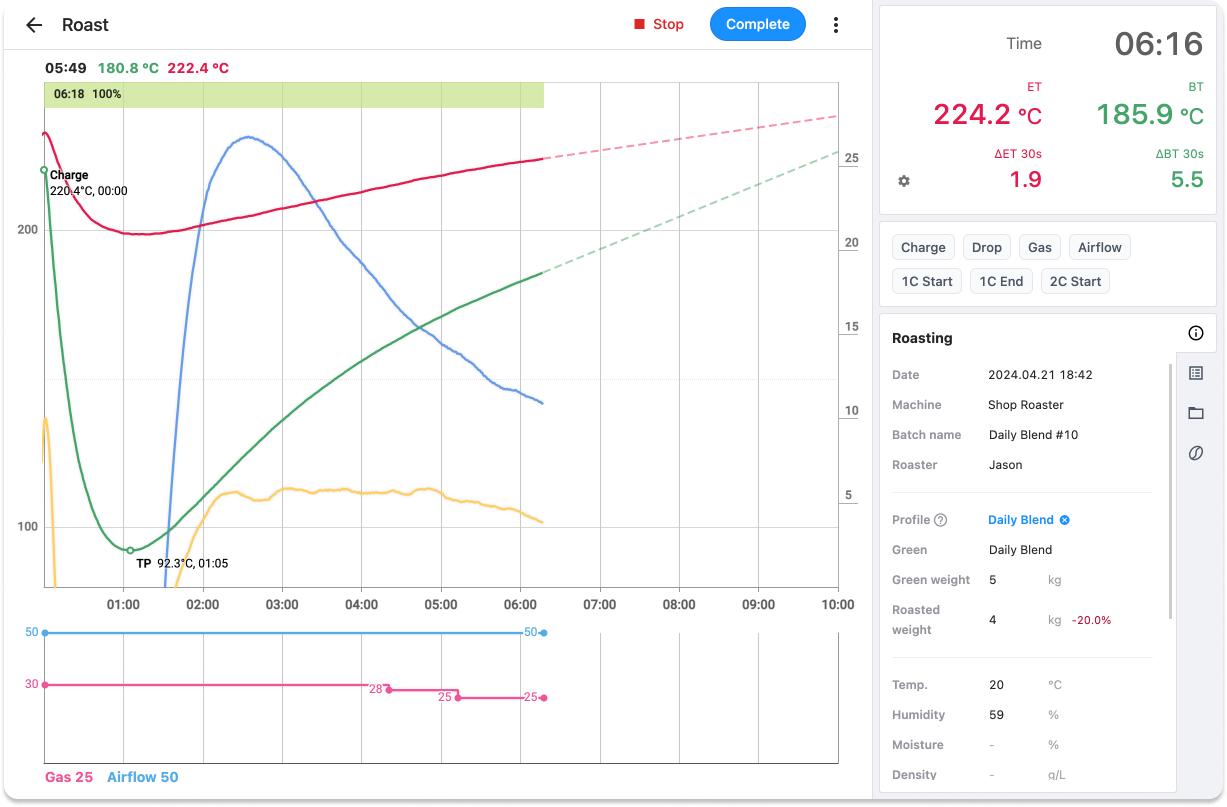
Record the results of every production batch, including any adjustments made during roasting.
Useful data may include:
-
Green coffee lot and batch size
-
Roast time and key temperature readings
-
Heat and airflow settings
-
Weight before and after roasting
-
Roast color, when measured
-
Cupping or brewing observations
Comparing records helps identify patterns and makes it easier to investigate an unusual result.
3. Compare Roast Color and Weight Loss
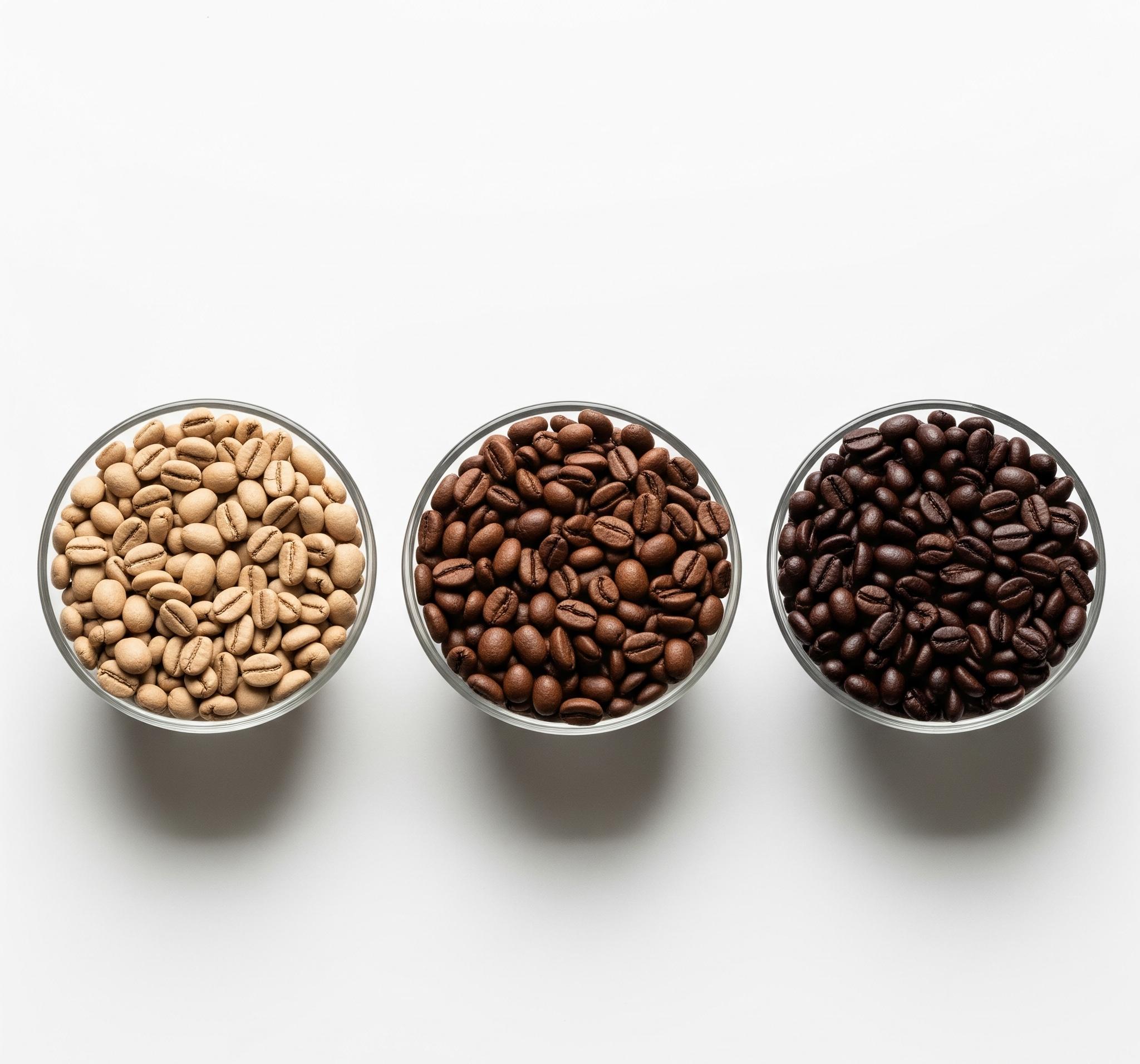
Roast color provides a practical way to compare batches, although it does not describe every aspect of flavor.
Weight loss can also help identify differences in the roasting process. However, neither measurement should be treated as a complete quality assessment on its own.
Use these measurements alongside roast records and sensory evaluation.
4. Taste and Evaluate Batches Regularly
Cupping or preparing coffee using a standardized brewing method helps reveal differences that may not be obvious from appearance alone.
Compare batches under similar conditions and pay attention to aroma, sweetness, acidity, bitterness, body, and aftertaste.
If a batch tastes different, review the records to identify possible causes before changing the profile.
5. Standardize the Production Routine
A consistent workflow helps reduce avoidable variation. This can include preheating procedures, batch weighing, timing between batches, cooling, equipment cleaning, and record keeping.
Standardization does not eliminate every variable, but it makes unexpected changes easier to recognize and manage.
Does Consistency Mean Every Roast Must Be Identical?
Not necessarily. Coffee is a natural product, and some variation is unavoidable. Crop changes, green coffee characteristics, equipment behavior, and environmental conditions can all influence roasting.
The goal is to control the variables that can reasonably be controlled while preserving the character of the coffee.
A good roaster does not simply repeat numbers without thinking. They understand how the coffee behaves, recognize when conditions have changed, and make measured adjustments to maintain the intended flavor profile.
Final Thoughts
Coffee roast consistency is built through careful preparation, repeatable procedures, accurate records, and regular tasting. It helps cafés serve more reliable drinks and allows roasters to maintain quality as production grows.
At Cầu Đất Bean, understanding the characteristics of each coffee and evaluating quality throughout the process are important parts of delivering coffee that meets customers' expectations.
Whether you are sourcing Vietnamese Arabica, Robusta, or developing a custom blend, start with a clear flavor goal and a quality-control process you can repeat.
Looking for Vietnamese coffee for your business?
Cầu Đất Bean offers coffee from Vietnam for café and wholesale needs.
-
Website: https://caudatcoffee.com.vn
-
Email: caudatbean@gmail.com
-
Phone / WhatsApp: +84 926 915 849
-
Showroom: 82B Trương Công Định, Phường Xuân Hương, Đà Lạt, Lâm Đồng, Vietnam
Try before you buy.
Frequently Asked Questions
What does coffee roast consistency mean?
It means producing batches of the same coffee with similar flavor, aroma, roast color, and brewing performance under comparable conditions.
Why can two batches taste different even when the same profile is used?
Differences in green coffee, batch size, machine temperature, heat application, airflow, and cooling can affect the result.
How do roasters measure consistency?
They can compare roast records, temperature and time data, weight loss, roast color, and sensory results from cupping or standardized brewing.
Does a consistent roast profile work for every coffee?
No. Different coffees and batch sizes may respond differently to heat. Each coffee should be evaluated and, when necessary, assigned an appropriate profile.
How often should roasters check roast quality?
Roasters should record each production batch and evaluate coffee regularly according to their production volume and quality-control procedures. More frequent checks can help identify changes before they affect many orders.


 Group4, Cau Dat Village, Xuan Truong commune, Da Lat City, Lam Dong Province, Vietnam
 +84 783 472 234
 caudatbean@gmail.com
 www.caudatbean.com