
Why Coffee Bean Uniformity Matters: From Green Coffee to a Better Roast
When looking at a batch of green coffee, you may notice that some beans look almost identical while others vary noticeably in size, shape, or appearance.
This difference is known as coffee bean uniformity.
Uniformity is an important consideration when evaluating green coffee because beans that are relatively consistent in size and physical characteristics tend to respond more predictably during roasting.
But does uniformity mean that every coffee bean must look exactly the same?
Not at all.
Coffee is an agricultural product, so natural variation is expected. The goal is not perfect visual sameness, but a well-controlled lot with consistent physical characteristics and limited defects.
For coffee buyers, importers, and roasters, understanding bean uniformity can help when comparing samples, evaluating green coffee quality, and developing consistent roast profiles.
What Is Coffee Bean Uniformity?
Coffee bean uniformity refers to how consistent the beans are within a particular lot.
Several characteristics can be considered when evaluating uniformity:
-
Bean size
-
Bean shape
-
Density
-
Moisture
-
Color
-
Degree of defects
-
Physical condition
A lot with a high degree of uniformity contains beans that are relatively similar in these characteristics.
A less uniform lot may contain a wider mixture of large and small beans, different densities, broken beans, or beans with noticeable physical defects.
Uniformity does not automatically mean higher cup quality, but it can make coffee more predictable during roasting and quality control.
Why Does Bean Size Matter?
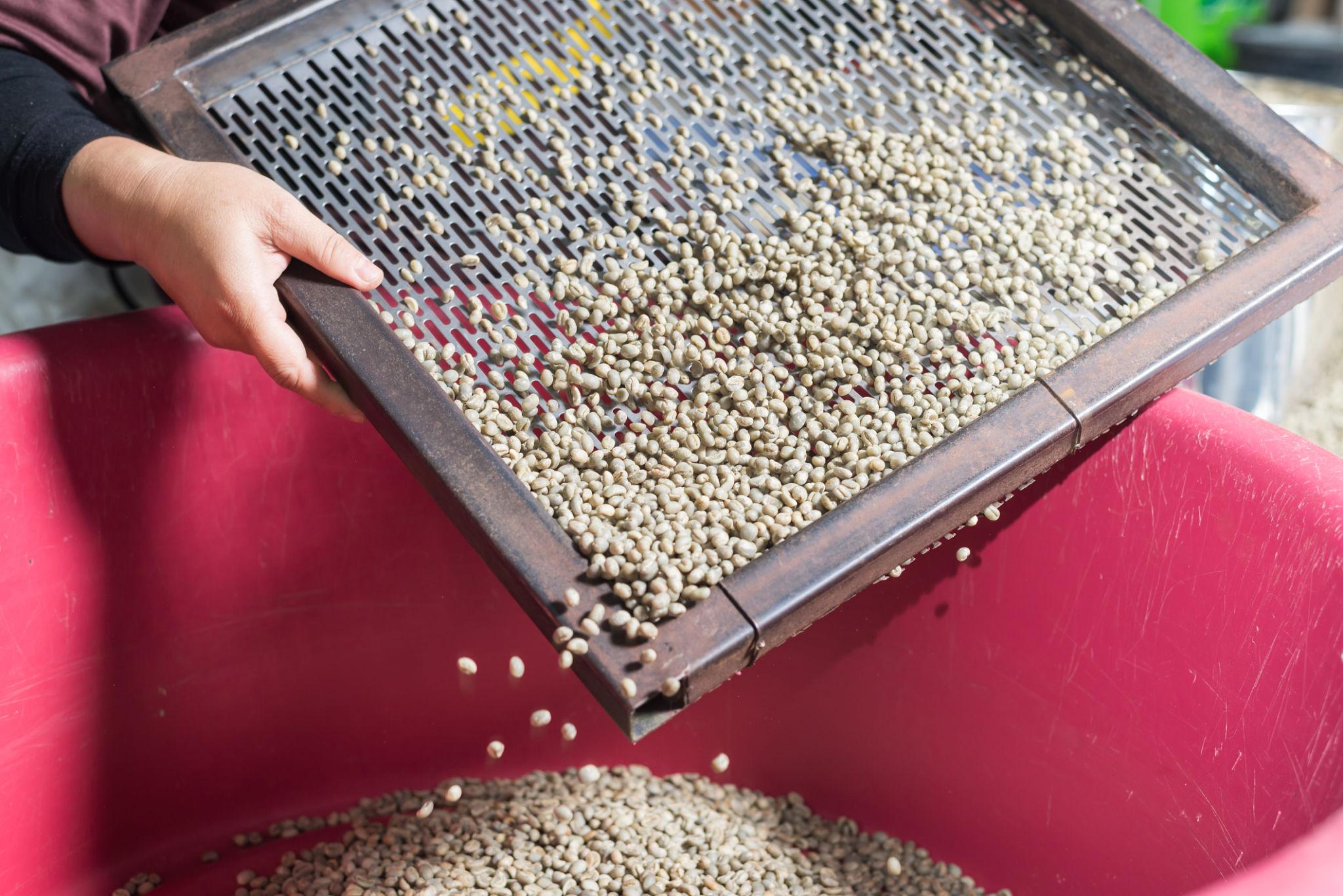
One of the easiest aspects of uniformity to observe is bean size.
Green coffee is often separated using screens to create lots with a more consistent size distribution.
For example, buyers may see specifications such as Screen 16 or Screen 18.
However, a larger screen size does not automatically mean better flavor.
Screen size mainly describes the physical dimensions of the beans. Cup quality depends on many other factors, including variety, growing conditions, processing, defects, roasting, and brewing.
The important point is that a relatively consistent bean size can help roasters achieve more predictable heat transfer during roasting.
What Happens When Beans Are Different Sizes?
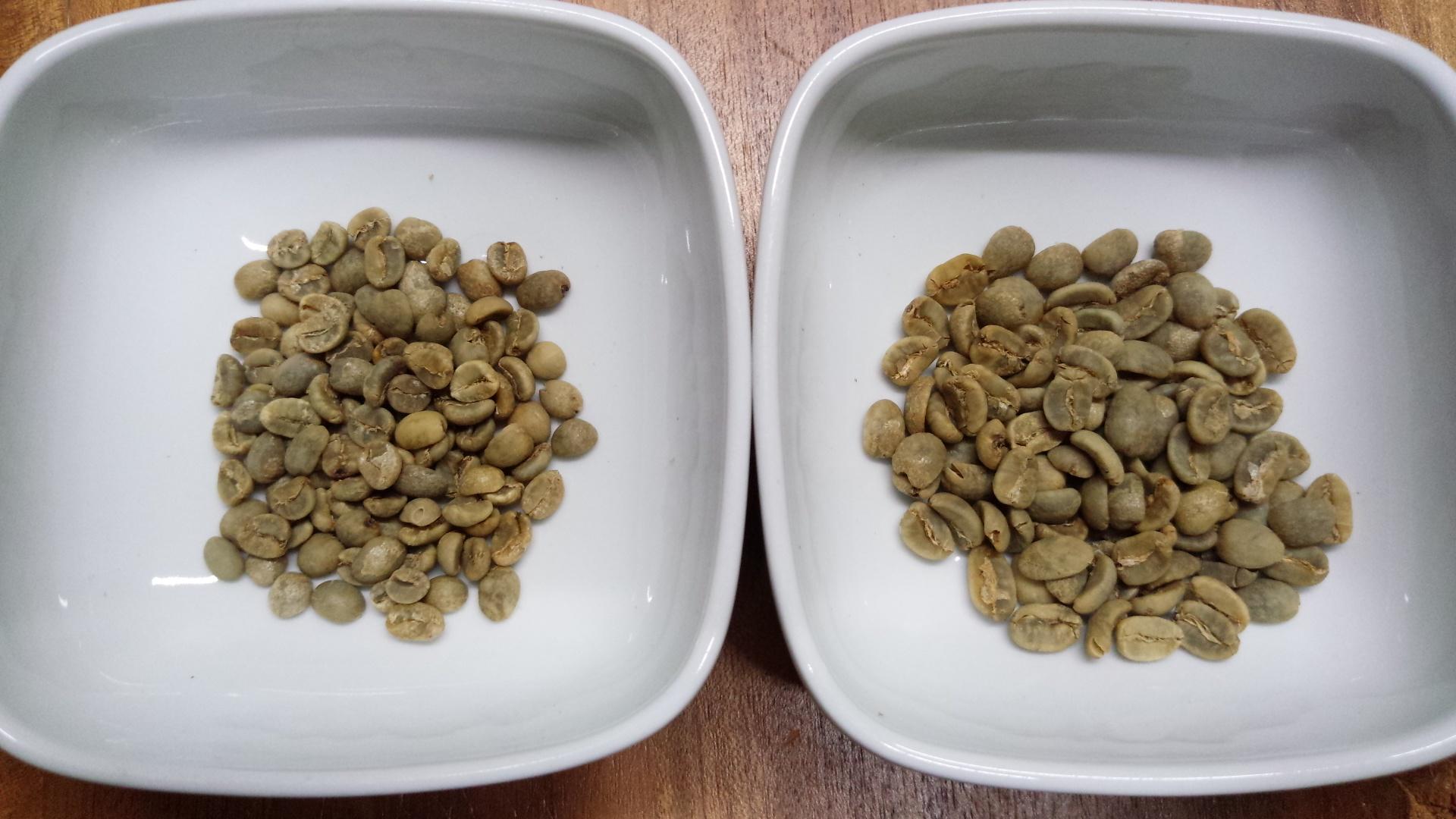
Imagine roasting a batch containing many very small beans together with much larger beans.
The smaller beans generally have less mass and can heat up more quickly.
Larger beans may require more time for heat to move through the bean.
If the difference is significant, some beans may develop faster than others during the same roast.
This can create an uneven roast.
Smaller beans may become darker or develop roasted flavors earlier, while larger beans may still be less developed internally.
The result can be a less balanced batch and greater variation from bean to bean.
This is one reason physical uniformity matters to professional roasters.
Uniformity and Roast Consistency
For a roaster, consistency is one of the most important goals.
A good roast profile should allow the coffee to develop in a controlled and repeatable way.
When green beans have relatively consistent physical characteristics, the roaster has a more predictable starting point.
This can make it easier to manage:
-
Heat application
-
Drying phase
-
Maillard development
-
First crack
-
Development time
-
Final roast color
Uniform green coffee does not eliminate the need for skill, but it can reduce unnecessary variation.
This becomes particularly important for commercial roasters who need to reproduce the same flavor profile across multiple batches.
Bean Density Also Plays a Role
Size is only one part of uniformity.
Two beans can have a similar size but different densities.
Density describes how much mass is contained within a given volume.
High-density beans and lower-density beans can respond differently to heat during roasting.
This is why experienced roasters look beyond screen size when evaluating green coffee.
A good understanding of size, density, moisture, and physical defects provides a more complete picture of how a coffee may behave in the roaster.
Moisture Consistency Matters Too
Moisture is another important physical characteristic.
Green coffee needs to be properly dried and stored to maintain quality.
If moisture varies significantly within a lot, beans may not respond identically during roasting.
Consistent moisture helps provide a more predictable starting point for the roasting process.
For this reason, professional green coffee evaluation should involve measurement rather than relying only on visual inspection.
Defects Can Reduce Uniformity
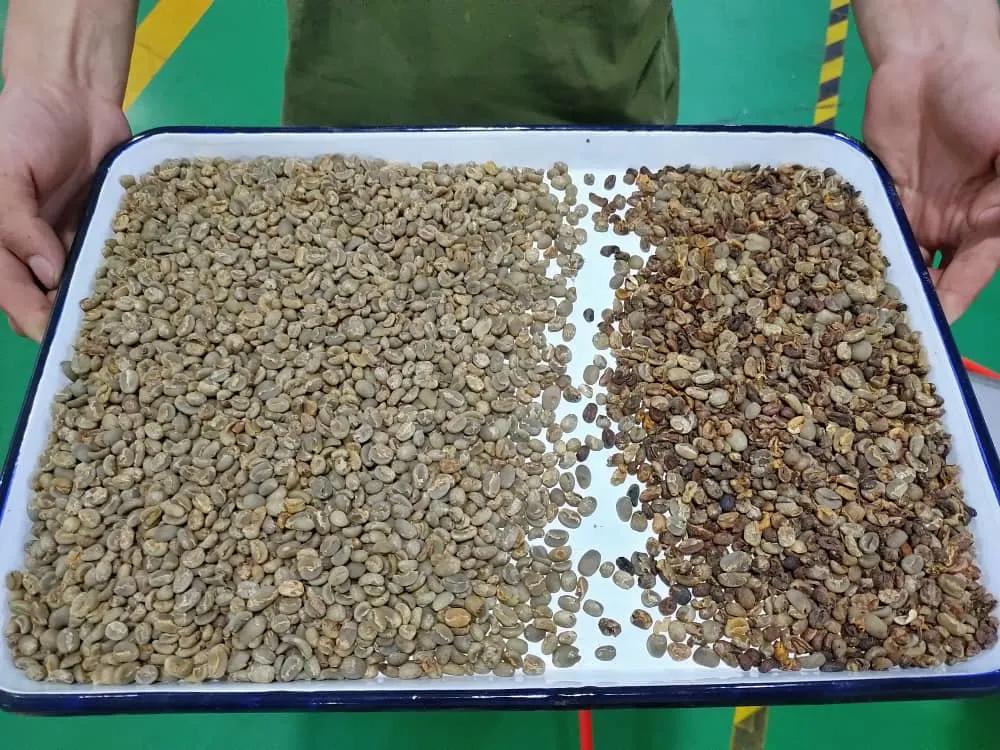
Defective beans can also affect the consistency of a coffee lot.
Examples include:
-
Broken beans
-
Insect-damaged beans
-
Black beans
-
Sour or fermented beans
-
Immature beans
-
Foreign material
Not every physical difference is a defect, and the importance of each defect depends on the grading system and its potential impact on cup quality.
However, removing or controlling defective material is an important part of green coffee quality management.
A cleaner and more consistent lot gives roasters a better foundation for producing a stable cup profile.
Does Uniformity Mean Better Coffee?
Not necessarily.
This is an important distinction.
A highly uniform coffee is not automatically more flavorful than a less uniform coffee.
Coffee quality is influenced by many interconnected factors:
Origin + Variety + Climate + Soil + Harvest + Processing + Drying + Storage + Green Bean Quality + Roasting + Brewing
Uniformity is one piece of the puzzle.
For example, a smaller-screen coffee with excellent processing and outstanding cup quality can be more enjoyable than a larger-screen coffee with poor processing or significant defects.
Therefore, buyers should avoid judging coffee solely by appearance or bean size.
How Do Coffee Buyers Evaluate Uniformity?
When sourcing green coffee, buyers can evaluate uniformity through several steps.
1. Visual Inspection
Spread the beans out on a clean surface and look for differences in:
-
Size
-
Shape
-
Color
-
Broken beans
-
Foreign material
-
Visible defects
This provides a quick first impression of the lot.
2. Screen Size Analysis
Screening helps determine the distribution of bean sizes.
This is particularly useful when buyers have a specific size requirement for roasting or export.
3. Moisture Measurement
A moisture meter can provide a more reliable measurement than visual inspection.
Consistent moisture supports better storage and more predictable roasting.
4. Sample Roasting
A green coffee sample should ideally be roasted before making a larger purchasing decision.
Sample roasting allows buyers to observe how the beans react to heat and whether the roast develops evenly.
5. Cupping
Finally, the coffee should be evaluated in the cup.
Cupping helps reveal:
-
Aroma
-
Flavor
-
Acidity
-
Body
-
Sweetness
-
Aftertaste
-
Balance
-
Cleanliness
Physical uniformity is valuable, but the final sensory performance remains essential.
Uniformity in Vietnamese Arabica
Vietnamese Arabica grown in the highlands of Da Lat can show distinctive physical characteristics depending on variety, elevation, processing method, and growing conditions.
Cau Dat is one of the historic Arabica-growing areas in the Da Lat highlands.
At Cau Dat Bean, green coffee lots can vary according to variety, processing method, screen size, and other specifications.
For international buyers, understanding these characteristics makes it easier to compare samples and select coffee according to their roasting and market requirements.
Rather than focusing on a single specification, a complete green coffee evaluation provides a clearer picture of the lot.
Why Uniformity Matters for Export Coffee
For international coffee buyers, consistency is particularly important.
A buyer may not simply want a coffee that tastes good once.
They may need a coffee that can perform consistently across multiple shipments and roasting batches.
This is why specifications such as:
-
Origin
-
Variety
-
Process
-
Screen size
-
Moisture
-
Defect level
-
Packaging
-
Sample cup profile
are commonly discussed during green coffee sourcing.
A clear specification helps both buyer and seller understand what is being purchased.
From Green Bean to Consistent Cup
The journey from green coffee to the final cup involves many stages.
Uniformity at the green coffee stage can provide a stronger foundation for the roasting process, but it is only one part of the equation.
Good coffee requires attention from the farm and processing stage all the way through roasting and brewing.
For roasters, understanding the physical characteristics of green coffee helps them make better decisions about roast development.
For buyers, it provides another useful tool when comparing coffee samples and evaluating suppliers.
Final Thoughts
Coffee bean uniformity may not be the most obvious topic when you first look at a bag of green coffee, but it can have an important role in professional coffee sourcing and roasting.
Consistent size, moisture, density, and physical condition can contribute to more predictable roasting behavior.
At the same time, uniformity should never be confused with overall coffee quality.
The best way to evaluate green coffee is to look at the complete picture:
Physical quality + processing + origin + sample roasting + cup quality.
At Cau Dat Bean, we believe that understanding the green bean is the first step toward understanding the coffee in your cup.
If you are looking for Vietnamese Arabica or green coffee for roasting, wholesale, or export, contact us to discuss available lots and samples.
Cau Dat Bean
📍 Showroom: 82B Trương Công Định, Phường Xuân Hương, Đà Lạt, Lâm Đồng, Vietnam
📞 WhatsApp / Phone: +84 926 915 849
📧 caudatbean@gmail.com
Frequently Asked Questions
Is coffee bean uniformity important?
Yes. A relatively uniform lot can help roasters achieve more predictable heat transfer and roast development.
Does a larger coffee bean mean better quality?
No. Screen size describes physical bean dimensions, not overall cup quality.
Why do coffee roasters care about bean size?
Different bean sizes can respond differently to heat. A more consistent size distribution can make roasting easier to control.
What factors determine green coffee quality?
Important factors include origin, variety, processing, moisture, density, screen size, defects, storage, roasting behavior, and cup quality.
How can buyers check coffee bean uniformity?
Buyers can inspect the beans visually, check screen size and moisture, examine defects, sample roast the coffee, and evaluate the cup through cupping.


 Group4, Cau Dat Village, Xuan Truong commune, Da Lat City, Lam Dong Province, Vietnam
 +84 783 472 234
 caudatbean@gmail.com
  www.caudatbean.com