
What Is Specialty Coffee? A Beginner’s Guide to Specialty Coffee
You may have heard the term “specialty coffee” in cafés, coffee shops, or on bags of premium coffee beans.
But what exactly does specialty coffee mean?
Specialty coffee is more than simply expensive coffee or coffee with an attractive package. It represents a focus on quality, traceability, careful production, and the unique characteristics of the coffee bean.
From the farm and growing conditions to processing, roasting, and brewing, every step can influence the final cup.
What Is Specialty Coffee?
Specialty coffee generally refers to coffee that meets recognized quality standards and demonstrates distinctive characteristics in the cup.
The concept focuses on quality throughout the coffee supply chain, including:
-
Growing conditions
-
Coffee variety
-
Harvesting
-
Processing
-
Green bean quality
-
Roasting
-
Brewing
-
Flavor and aroma
Unlike commodity coffee, specialty coffee places greater emphasis on the identity and quality of the coffee rather than treating beans simply as a standardized raw material.
What Makes Coffee “Specialty”?
Several factors contribute to specialty coffee quality.
1. Coffee Variety
Different coffee varieties can produce very different flavor profiles.
For example, Arabica varieties such as Typica, Bourbon, Caturra, and Catimor can express different combinations of sweetness, acidity, body, and aroma depending on where and how they are grown.
The genetic characteristics of the plant are one part of what makes each coffee unique.
2. Growing Region and Terroir
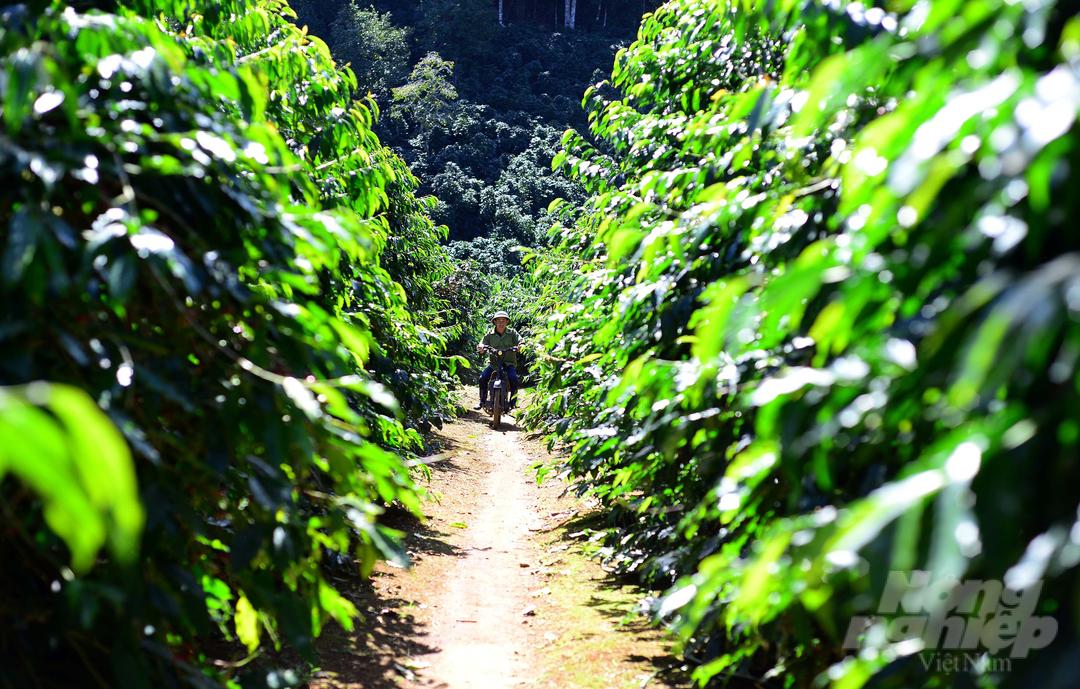
Where coffee is grown matters.
Altitude, climate, soil, rainfall, temperature, and farming practices can all influence how coffee develops.
Coffee grown at higher elevations often develops slower, allowing complex flavors and acidity to develop.
This is one reason coffees from different regions can taste dramatically different even when they belong to the same species.
Why Is Altitude Important for Specialty Coffee?
Altitude can influence the development and ripening of coffee cherries.
In cooler highland environments, coffee cherries often mature more slowly. This can contribute to greater flavor complexity and a distinctive balance of acidity and sweetness.
Cau Dat, in the highlands of Da Lat, is well known for its Arabica-growing conditions.
The region's elevation and cool climate have helped establish its reputation for Vietnamese Arabica coffee.
3. Selective Harvesting
Quality begins at harvest.
Specialty coffee production often places greater emphasis on selecting ripe coffee cherries rather than harvesting cherries at completely different stages of maturity.
Ripe cherries can provide greater sweetness and more developed flavors.
Careful harvesting can therefore have a significant impact on the quality of the green coffee.
4. Coffee Processing
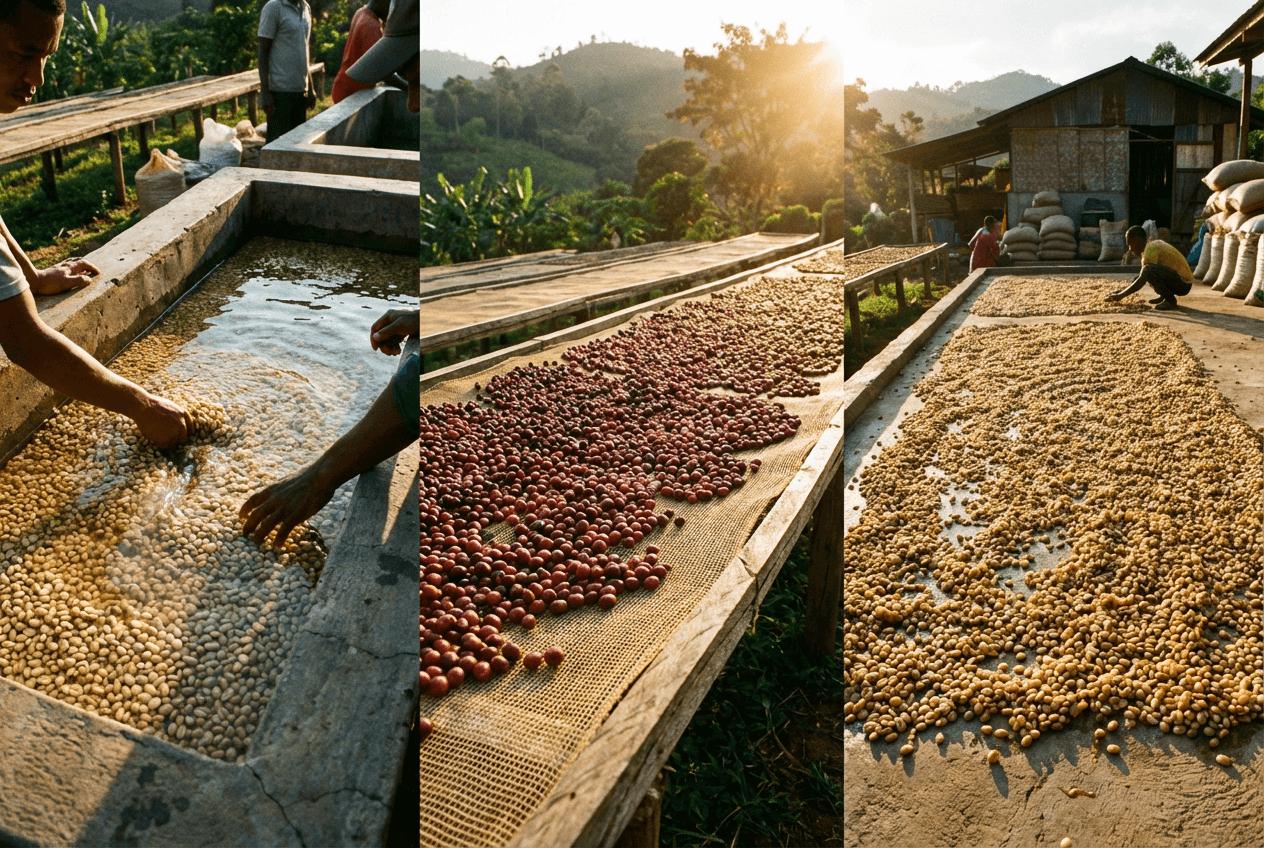
After harvesting, coffee cherries need to be processed to remove the fruit from the seed.
Common processing methods include:
Washed Process
The fruit is removed from the coffee bean before drying.
Washed coffees are often associated with clean, bright, and clearly defined flavor profiles.
Natural Process
The coffee cherry is dried with much of the fruit still surrounding the bean.
Natural coffees can develop fruit-forward, sweet, and sometimes wine-like characteristics.
Honey Process
Some of the fruit mucilage is left on the bean during drying.
Honey-processed coffees can offer a balance between the clean characteristics of washed coffee and the fruitiness often associated with natural processing.
Processing is one of the reasons two coffees from the same region can taste completely different.
5. Green Coffee Quality
Before coffee is roasted, it exists as green coffee.
Specialty green coffee is carefully evaluated for factors such as:
-
Moisture
-
Bean size
-
Defects
-
Density
-
Uniformity
-
Cup quality
-
Traceability
The quality of the green bean provides the foundation for everything that happens later.
Excellent roasting cannot completely compensate for poor-quality raw material.
6. Roasting Matters
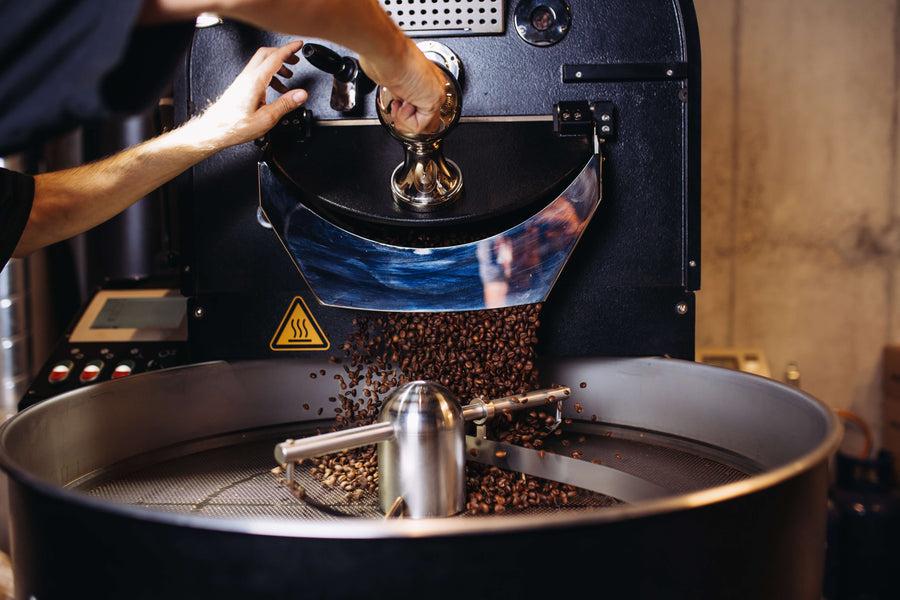
Even high-quality green coffee needs to be roasted carefully.
Roasting transforms the green bean and develops the aromas and flavors that we recognize as coffee.
Different roast levels can highlight different characteristics.
Light Roast
Often preserves more of the coffee's origin characteristics, acidity, and delicate aromas.
Medium Roast
Can provide a balance between acidity, sweetness, body, and roast character.
Dark Roast
Usually emphasizes stronger roasted flavors, body, bitterness, and caramelized notes.
There is no single best roast level. The right choice depends on the coffee and the desired flavor profile.
7. Flavor and Aroma
One of the most interesting aspects of specialty coffee is the variety of flavors that can naturally occur in the cup.
Depending on the coffee, you may find notes reminiscent of:
-
Citrus
-
Berries
-
Stone fruits
-
Chocolate
-
Caramel
-
Nuts
-
Flowers
-
Spices
These descriptions do not mean that flavoring has been added to the coffee.
They describe aromas and taste characteristics naturally perceived during tasting.
Specialty Coffee vs. Commercial Coffee
The difference between specialty and commercial coffee is not simply about price.
Specialty Coffee
Generally places greater emphasis on:
-
Traceability
-
Quality
-
Distinctive flavor
-
Careful harvesting
-
Processing
-
Green bean evaluation
-
Roasting
-
Brewing
Commercial Coffee
Typically focuses more on consistency, scale, availability, and cost.
Commercial coffee can still be enjoyable, but specialty coffee places greater emphasis on preserving and expressing the unique characteristics of individual coffees.
Is Specialty Coffee Always Expensive?
Not necessarily.
Specialty coffee can cost more because producing high-quality coffee often requires additional work at the farm, processing, sorting, roasting, and quality-control stages.
However, price alone does not determine whether a coffee is specialty.
A higher price does not automatically mean better coffee.
What matters is the quality, transparency, and characteristics behind the coffee.
Why Traceability Matters
Traceability allows buyers and consumers to understand where their coffee comes from.
Depending on the level of information available, traceability may include:
-
Country
-
Region
-
Farm
-
Producer
-
Coffee variety
-
Altitude
-
Processing method
-
Harvest period
Knowing this information creates a stronger connection between the coffee in your cup and the people and place behind it.
Why Vietnamese Specialty Coffee Is Worth Exploring
Vietnam is widely known for Robusta production, but the country also has a growing specialty coffee scene.
The highlands of Vietnam provide diverse environments for growing both Arabica and Robusta.
Regions such as Da Lat and Cau Dat are particularly associated with Vietnamese Arabica.
With careful farming, selective harvesting, processing, and roasting, Vietnamese coffee can express distinctive flavors that deserve a place on the specialty coffee map.
Specialty Coffee from Cau Dat
At Cau Dat Bean, we focus on carefully selected Vietnamese coffee from the highlands of Da Lat, including Arabica from the Cau Dat growing region.
The character of a coffee begins long before roasting.
Origin, altitude, variety, harvesting, processing, and roasting all contribute to what eventually appears in the cup.
Our goal is to help customers discover the diversity and quality of Vietnamese coffee through carefully selected beans and roast profiles.
Visit our showroom in Da Lat to explore our coffees and learn more about the characteristics of Vietnamese Arabica.
Cau Dat Bean Showroom
📍 82B Truong Cong Dinh Street, Da Lat, Lam Dong, Vietnam
📞 +84 926 915 849
How to Start Exploring Specialty Coffee
You do not need to be a professional coffee taster to enjoy specialty coffee.
Start by trying coffees with different:
-
Origins
-
Varieties
-
Processing methods
-
Roast levels
-
Brewing methods
Pay attention to aroma, acidity, sweetness, body, and aftertaste.
Over time, you will begin to recognize which flavor profiles you enjoy most.
The most important thing is not to memorize tasting notes.
Taste, compare, and discover what you like.
Frequently Asked Questions
What is specialty coffee?
Specialty coffee refers to high-quality coffee that emphasizes factors such as bean quality, traceability, careful production, distinctive flavor, and quality throughout the coffee supply chain.
Is specialty coffee the same as Arabica?
No. Specialty coffee is a quality concept, while Arabica is a species of coffee. Specialty coffee can include high-quality Arabica and, in some cases, Robusta.
What makes specialty coffee different?
Specialty coffee places greater emphasis on quality, traceability, careful harvesting, processing, roasting, and distinctive flavor characteristics.
Is specialty coffee better than commercial coffee?
Specialty coffee is generally produced with a stronger focus on quality and distinctive flavor. However, whether it is “better” ultimately depends on personal taste.
Why is specialty coffee more expensive?
Specialty coffee can involve more selective harvesting, processing, sorting, quality control, and careful roasting. These additional steps can increase production costs.
What is the best specialty coffee?
There is no single best specialty coffee. The best coffee for you depends on your preferred origin, variety, processing method, roast level, and flavor profile.
Is Vietnamese coffee specialty coffee?
Vietnam produces both commercial and specialty coffee. Certain Vietnamese coffee-growing regions, producers, and lots can meet high quality standards and offer distinctive specialty coffee characteristics.


 Group4, Cau Dat Village, Xuan Truong commune, Da Lat City, Lam Dong Province, Vietnam
 +84 783 472 234
 caudatbean@gmail.com
  www.caudatbean.com