
What Is Inside a Coffee Cherry? A Guide to Coffee Bean Anatomy
When you look at a roasted coffee bean, it is easy to forget that coffee actually begins as a fruit.
Before becoming the beans we grind and brew every morning, coffee starts as a small fruit commonly known as a coffee cherry.
Inside each coffee cherry are several layers that protect the coffee seed. Understanding these layers helps explain why coffee processing methods such as washed, natural, and honey processing can create very different flavors.
So, what is inside a coffee cherry?
What Is a Coffee Cherry?
A coffee cherry is the fruit of the coffee plant.
When the fruit is ripe, it can turn red, yellow, orange, or even other colors depending on the coffee variety.
Most coffee cherries contain two coffee seeds, commonly called coffee beans.
These seeds are surrounded by several layers of fruit and protective material.
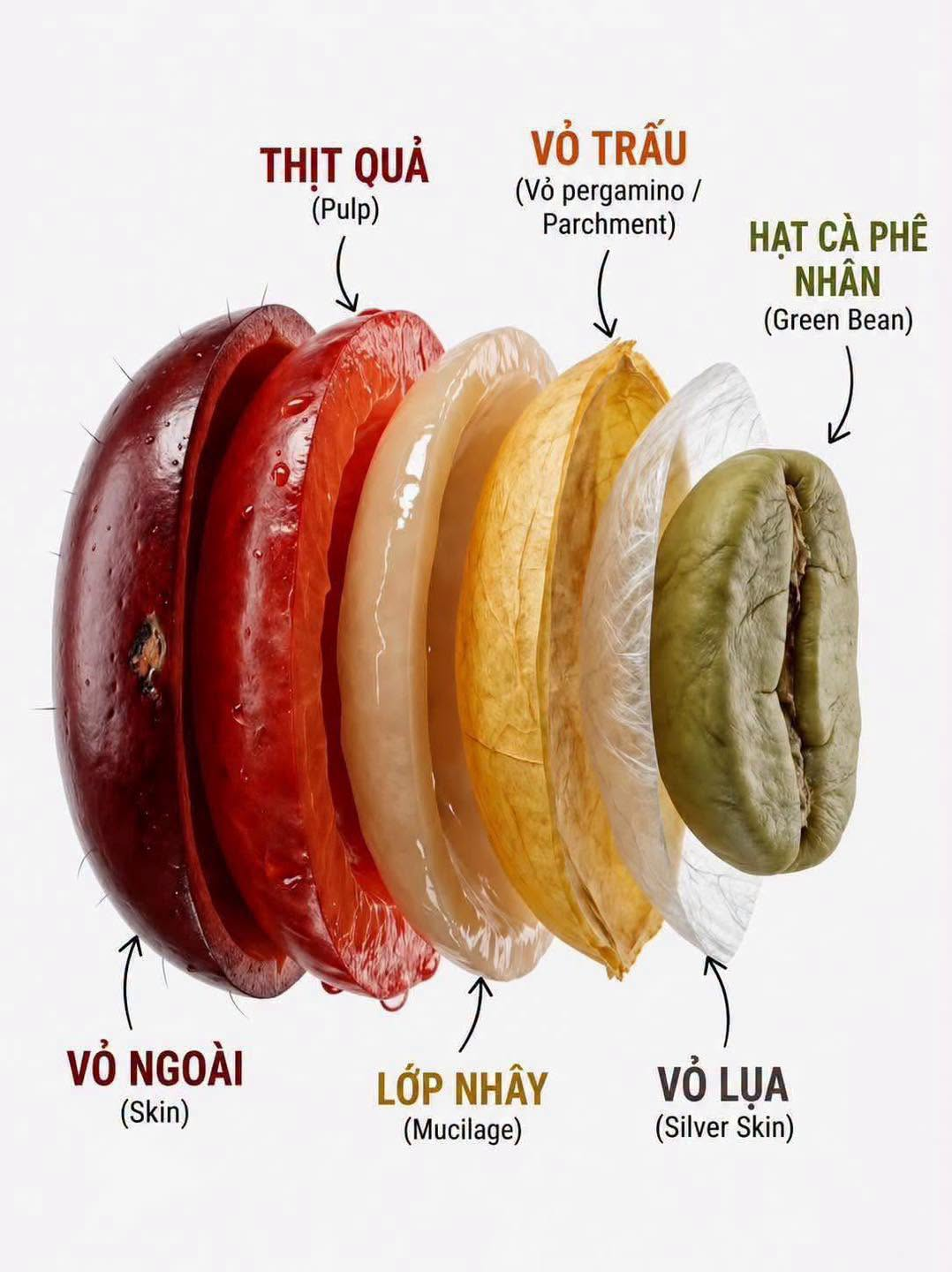
The main parts are:
-
Skin
-
Pulp
-
Mucilage
-
Parchment
-
Silver skin
-
Green coffee bean
Each layer plays a different role during the development and processing of coffee.
The Anatomy of a Coffee Cherry
1. Skin
The outermost layer is the skin, sometimes called the exocarp.
It protects the coffee fruit from the external environment.
When coffee cherries mature, the skin changes color and becomes an important visual indicator of ripeness.
Ripe cherries are generally preferred for quality-focused coffee production because they can provide better sweetness and more developed flavor.
2. Pulp
Under the skin is the pulp, also known as the fruit flesh.
The pulp contains water, sugars, and other compounds that contribute to the development of the coffee cherry.
During processing, the pulp may be removed mechanically in washed or honey processing, while in natural processing it remains around the coffee seed during drying.
This difference can influence how the final coffee tastes.
3. Mucilage
One of the most interesting layers is the mucilage.
Mucilage is a sticky, sugary layer surrounding the parchment.
It contains sugars and other compounds that can play an important role during coffee processing and drying.
The amount of mucilage left on the coffee during drying is one of the factors that distinguishes different processing methods.
This is particularly important in honey processing, where some or much of the mucilage remains attached to the parchment while the coffee dries.
4. Parchment
The parchment, or endocarp, is a protective layer surrounding the coffee seed.
After processing and drying, the parchment helps protect the green coffee bean during storage.
Before green coffee is exported or roasted, the parchment is normally removed during a process called hulling.
The dried coffee inside the parchment is often referred to as parchment coffee.
5. Silver Skin
Inside the parchment is another thin protective layer called the silver skin.
The silver skin remains attached to the green coffee bean before roasting.
During roasting, most of it separates from the bean and becomes part of what is commonly called chaff.
Although it is a very thin layer, it is part of the natural structure of the coffee seed.
6. Green Coffee Bean
At the center is the part we are ultimately interested in: the green coffee bean.
Technically, this is the seed of the coffee fruit.
After the coffee cherry has been processed, dried, hulled, sorted, and prepared, the green coffee bean is ready to be roasted.
Once roasted, it develops the familiar brown color, aroma, and flavor that we associate with coffee.
Why Does Coffee Cherry Anatomy Matter?
Understanding the structure of a coffee cherry helps explain why processing has such a strong influence on coffee flavor.
The coffee seed does not exist on its own.
It develops inside a fruit surrounded by layers containing water, sugars, and other compounds.
What happens to those layers after harvesting can influence the way the coffee develops during drying and fermentation.
This is why processing is an important part of coffee quality.
How Coffee Processing Changes the Fruit
Once coffee cherries are harvested, producers need to separate the coffee seed from the fruit.
There are several major approaches.
Washed Process
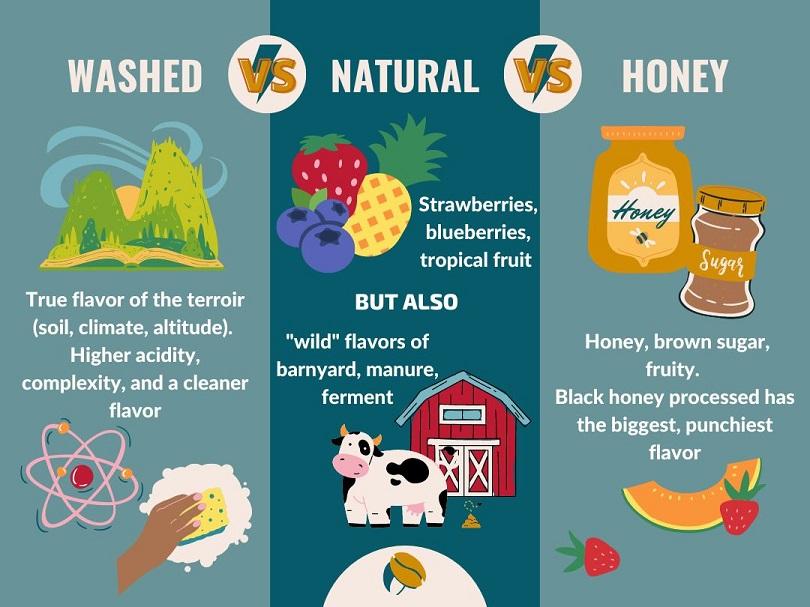
In the washed process, the skin and much of the fruit are removed before the coffee is dried.
The coffee is then cleaned and dried, depending on the specific processing method.
Washed coffees are often associated with:
-
Clean flavors
-
Bright acidity
-
Clear origin characteristics
-
Defined flavor profiles
Because much of the fruit is removed before drying, the character of the coffee can be more directly associated with the bean, variety, origin, and processing environment.
Natural Process
In natural processing, whole coffee cherries are dried with the fruit still surrounding the coffee seeds.
The cherries are carefully spread out and dried until the desired moisture level is reached.
Natural coffees can often develop:
-
Fruity aromas
-
Higher perceived sweetness
-
Jammy characteristics
-
Wine-like notes
-
Fuller body
Drying conditions are extremely important because poor drying can negatively affect coffee quality.
Honey Process
Honey processing sits between washed and natural processing.
The skin and some of the pulp are removed, while some mucilage remains around the parchment during drying.
Depending on how much mucilage is left, producers may use terms such as:
-
White honey
-
Yellow honey
-
Red honey
-
Black honey
The terminology and processing details can vary by producing region and producer.
Honey-processed coffee can offer a combination of sweetness, body, acidity, and fruit characteristics.
From Coffee Cherry to Green Coffee
The journey from fruit to green bean involves several important stages:
Coffee plant → Coffee cherry → Harvesting → Processing → Drying → Hulling → Sorting → Green coffee
Every stage can influence the final quality of the coffee.
After drying, coffee is carefully sorted to remove defective beans and unwanted materials.
The finished green coffee is then prepared for storage, transportation, and eventually roasting.
Does the Coffee Cherry Affect Flavor?
Yes, but not in a simple way.
The fruit surrounding the seed contains sugars, acids, water, and other compounds. During processing and drying, these factors interact with the coffee seed and its environment.
However, coffee flavor is influenced by many variables, including:
-
Coffee variety
-
Growing region
-
Altitude
-
Climate
-
Soil
-
Harvesting
-
Processing
-
Drying
-
Storage
-
Roasting
-
Brewing
This means that coffee flavor cannot be explained by the coffee cherry alone.
Instead, the cherry is the beginning of a much longer journey.
Why Ripe Coffee Cherries Matter
Harvesting ripe cherries is particularly important for quality-focused coffee production.
Unripe cherries can contribute undesirable characteristics, while overripe or damaged cherries can create processing and quality problems.
Selective harvesting helps producers collect cherries at the appropriate stage of maturity.
For specialty coffee, careful harvesting can be an important step toward achieving a cleaner and more consistent cup.
Coffee Cherry Anatomy and Specialty Coffee
Specialty coffee is often discussed in terms of origin, variety, processing, and tasting notes.
But all of those characteristics begin with the coffee fruit.
The quality of the cherry at harvest, the way it is processed, and the way it is dried can influence the green bean that eventually reaches the roaster.
This is why specialty coffee is not simply about roasting.
It is about the entire journey from farm to cup.
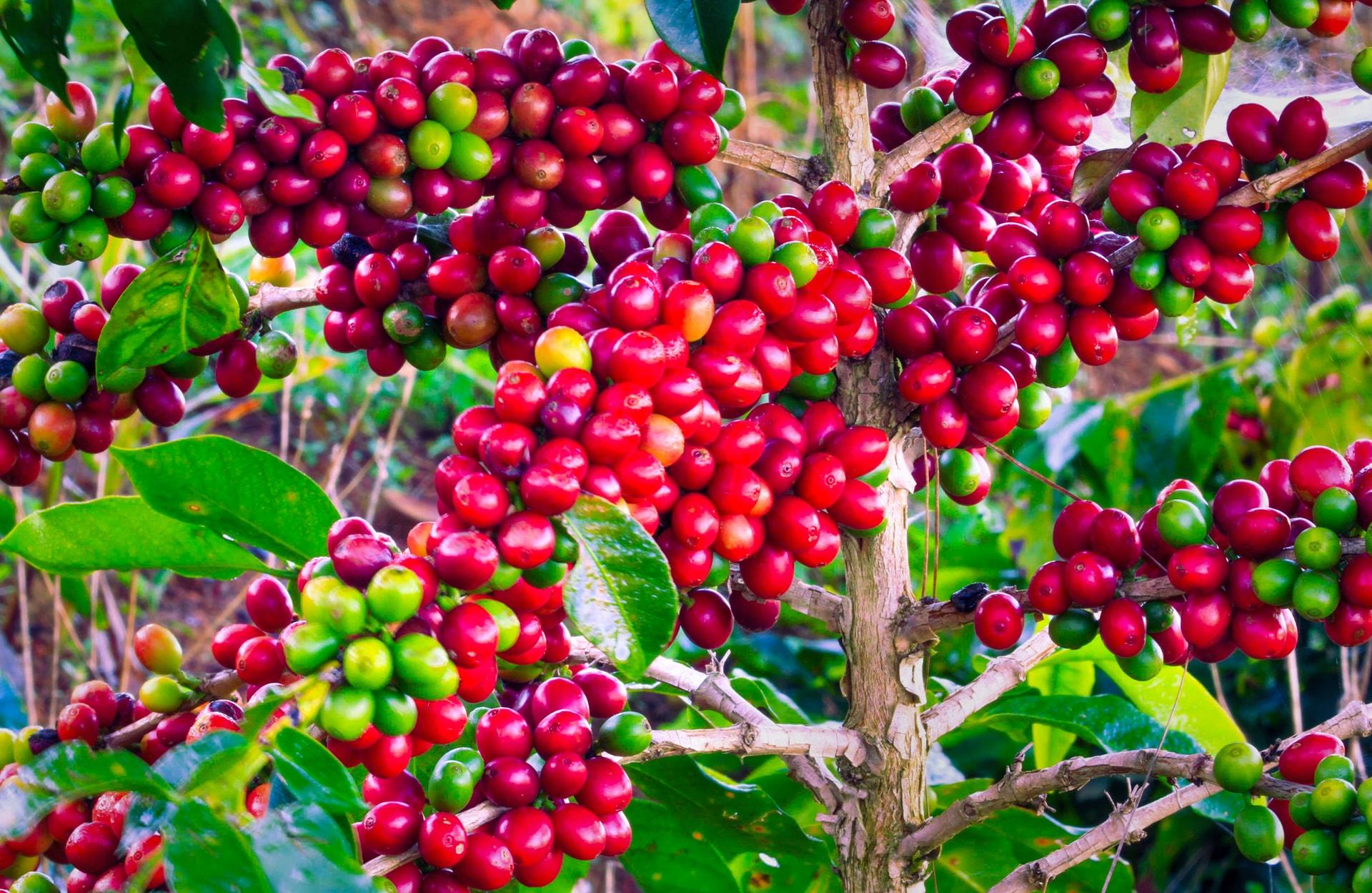
Coffee Cherries in Cau Dat, Da Lat
Cau Dat, in the highlands of Da Lat, is one of Vietnam's recognized Arabica-growing areas.
The region's high elevation, cool climate, and coffee-growing traditions create an interesting environment for Arabica production.
At Cau Dat Bean, we focus on carefully selected Vietnamese coffee from the Da Lat highlands, including Arabica from the Cau Dat growing region.
Understanding the coffee cherry is one more way to appreciate the work behind every coffee bean.
From the ripe cherry on the plant to the green bean, roasting, and finally the cup, every stage contributes to the final coffee experience.
Cau Dat Bean Showroom
📍 82B Truong Cong Dinh Street, Da Lat, Lam Dong, Vietnam
📞 +84 926 915 849
From Fruit to Your Coffee Cup
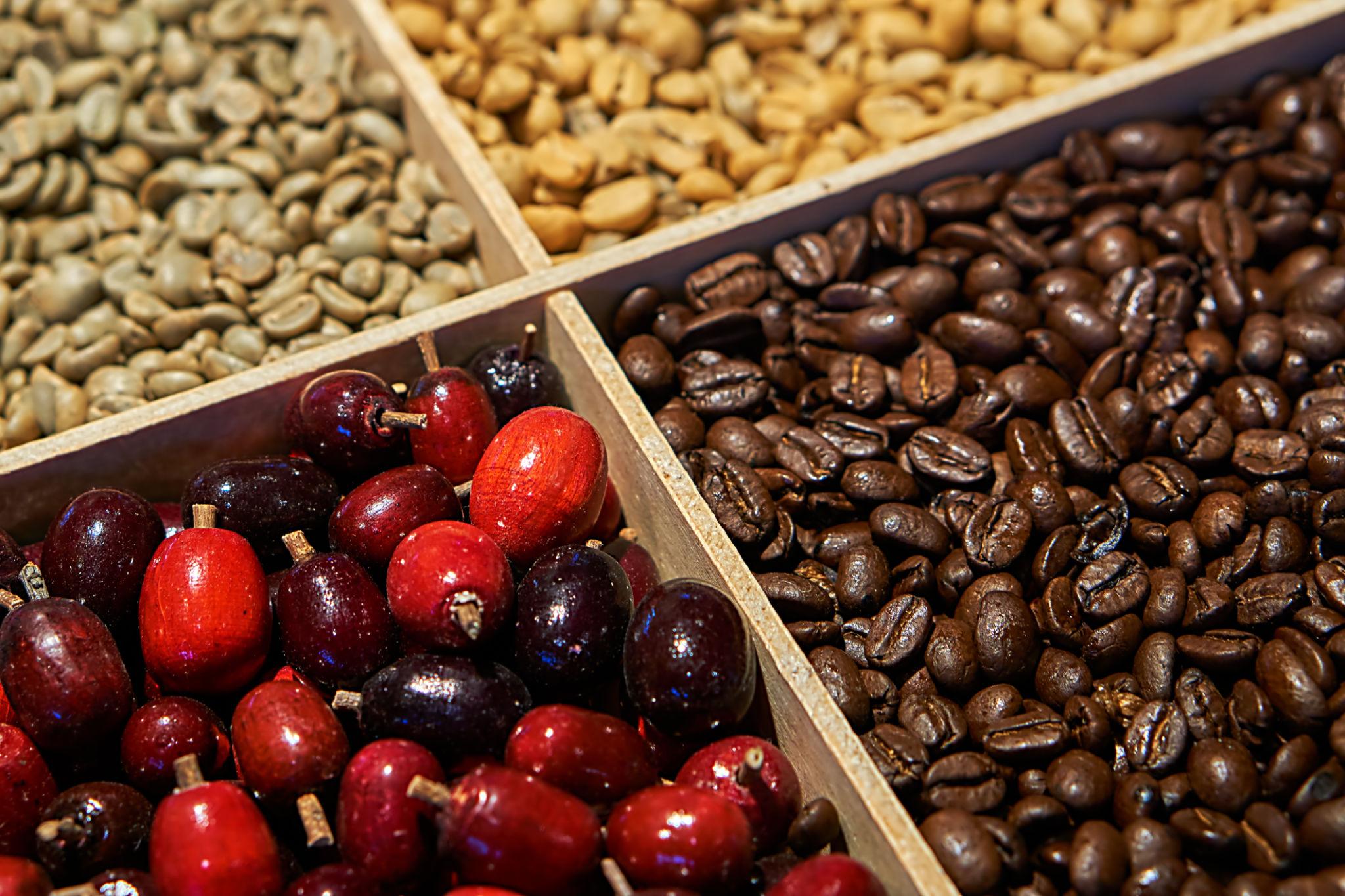
The next time you hold a coffee bean, remember that it once developed inside a small fruit.
The skin, pulp, mucilage, parchment, and silver skin all played a role in protecting the seed during its development.
After harvesting, producers carefully process and dry the cherries before the green coffee is prepared for roasting.
That journey is what makes coffee so fascinating.
Coffee is not simply a bean. It is the seed of a fruit with a long journey from farm to cup.
Frequently Asked Questions
What is a coffee cherry?
A coffee cherry is the fruit produced by the coffee plant. Inside the fruit are usually two seeds that become green coffee beans after processing.
What are the parts of a coffee cherry?
The main layers include the skin, pulp, mucilage, parchment, silver skin, and green coffee bean.
What is coffee mucilage?
Mucilage is a sticky, sugary layer surrounding the parchment. It plays an important role in coffee processing, particularly honey processing.
What is coffee parchment?
Parchment is a protective layer surrounding the coffee seed. It remains around the bean during part of the drying and storage process and is later removed during hulling.
What is the difference between washed and natural coffee?
Washed coffee has most of the fruit removed before drying, while natural coffee is dried with the coffee cherry largely intact. This difference can contribute to distinct flavor profiles.
What is honey processed coffee?
Honey processing removes the skin and some fruit while leaving some mucilage on the parchment during drying. It can produce coffees with a combination of sweetness, acidity, body, and fruit characteristics.
How many beans are inside a coffee cherry?
Most coffee cherries contain two seeds, although some cherries develop only one seed. A single-seed coffee is commonly called a peaberry.
Where does the green coffee bean come from?
The green coffee bean is the seed inside the coffee cherry. After harvesting, processing, drying, and hulling, the seed becomes the green coffee bean used for roasting.


 Group4, Cau Dat Village, Xuan Truong commune, Da Lat City, Lam Dong Province, Vietnam
 +84 783 472 234
 caudatbean@gmail.com
  www.caudatbean.com