
What Is Coffee Terroir? How Place Shapes the Flavor of Vietnamese Coffee
Why can two coffees of the same variety taste completely different when they are grown in different places?
The answer is not only the coffee variety or processing method.
One important part of the story is terroir.
In coffee, terroir describes the combination of environmental and geographical conditions that influence how coffee grows and develops.
These include:
-
Elevation
-
Climate
-
Temperature
-
Rainfall
-
Soil
-
Geography
-
Growing conditions
Together, these factors help shape the character of coffee from a particular origin.
What Does Terroir Mean in Coffee?
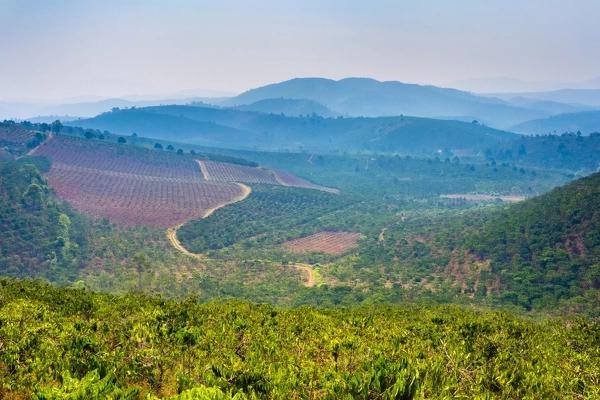
The word terroir is traditionally associated with wine, but the concept is also useful when talking about coffee.
It describes how a particular place influences an agricultural product.
A simple way to think about coffee terroir is:
Place + Climate + Soil + Variety + Growing Conditions = Coffee Character
However, terroir does not directly create a specific flavor.
For example, it would be too simple to say that high altitude automatically creates floral coffee or that red soil creates sweetness.
Coffee is influenced by many factors working together.
1. Elevation
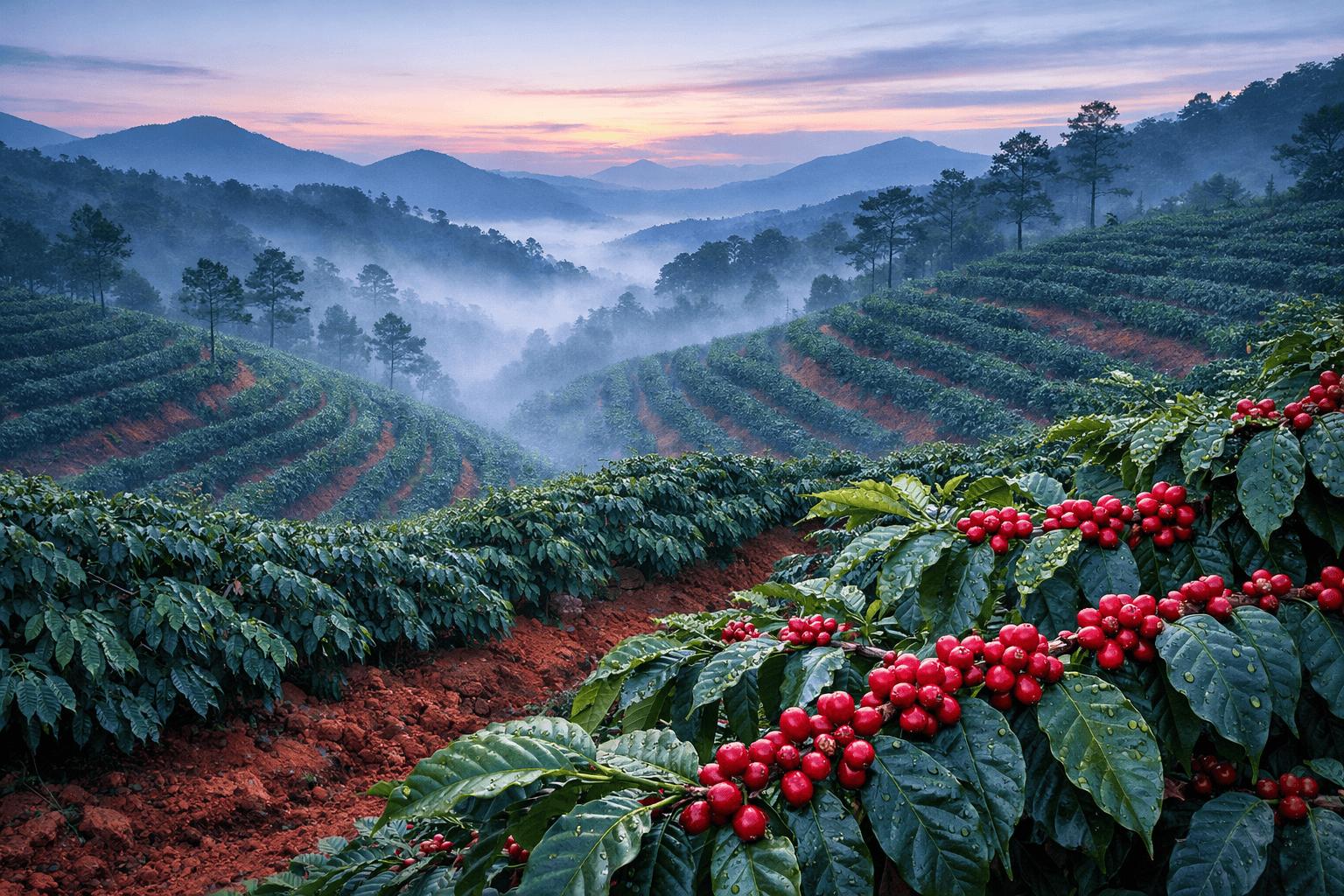
Elevation is one of the most commonly discussed characteristics of coffee origin.
Higher-elevation coffee often grows in cooler conditions, which can slow the development of the coffee cherry.
Cau Dat, in the highlands of Da Lat, is associated with Arabica cultivation at elevations above 1,500 meters.
The area's elevation and cool climate form an important part of the growing environment.
However, higher altitude does not automatically mean better coffee.
Elevation is only one part of the picture.
The variety, climate, farming practices, harvesting, processing, and drying all matter as well.
2. Climate
Temperature and rainfall have a major influence on coffee plants.
Climate affects:
-
Plant growth
-
Flowering
-
Cherry development
-
Harvest timing
-
Drying conditions
Highland areas often experience cooler temperatures and greater differences between daytime and nighttime conditions.
Cau Dat's cool highland environment is one of the characteristics associated with its Arabica production.
These conditions influence how the coffee plant develops, but they work together with other factors rather than determining flavor on their own.
3. Soil
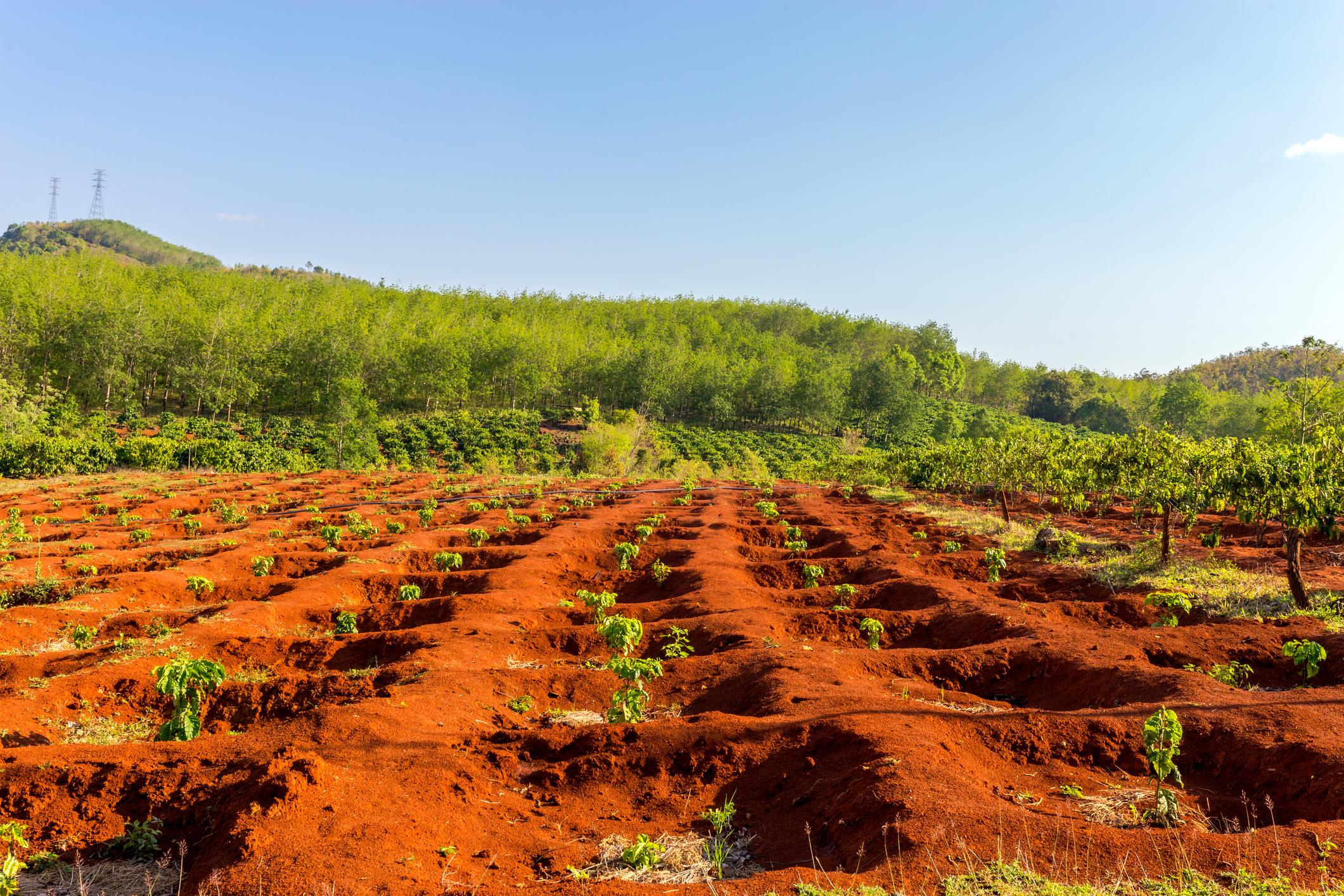
Soil is another part of coffee terroir.
Different soils can have different mineral compositions, organic matter, drainage characteristics, and structures.
Cau Dat is associated with the volcanic soils of the Da Lat highlands.
However, it is important not to oversimplify the relationship between soil and flavor.
Coffee does not simply “taste like the soil.”
Instead, soil contributes to the growing environment of the coffee plant, which then interacts with climate, elevation, variety, and farming practices.
4. Coffee Variety
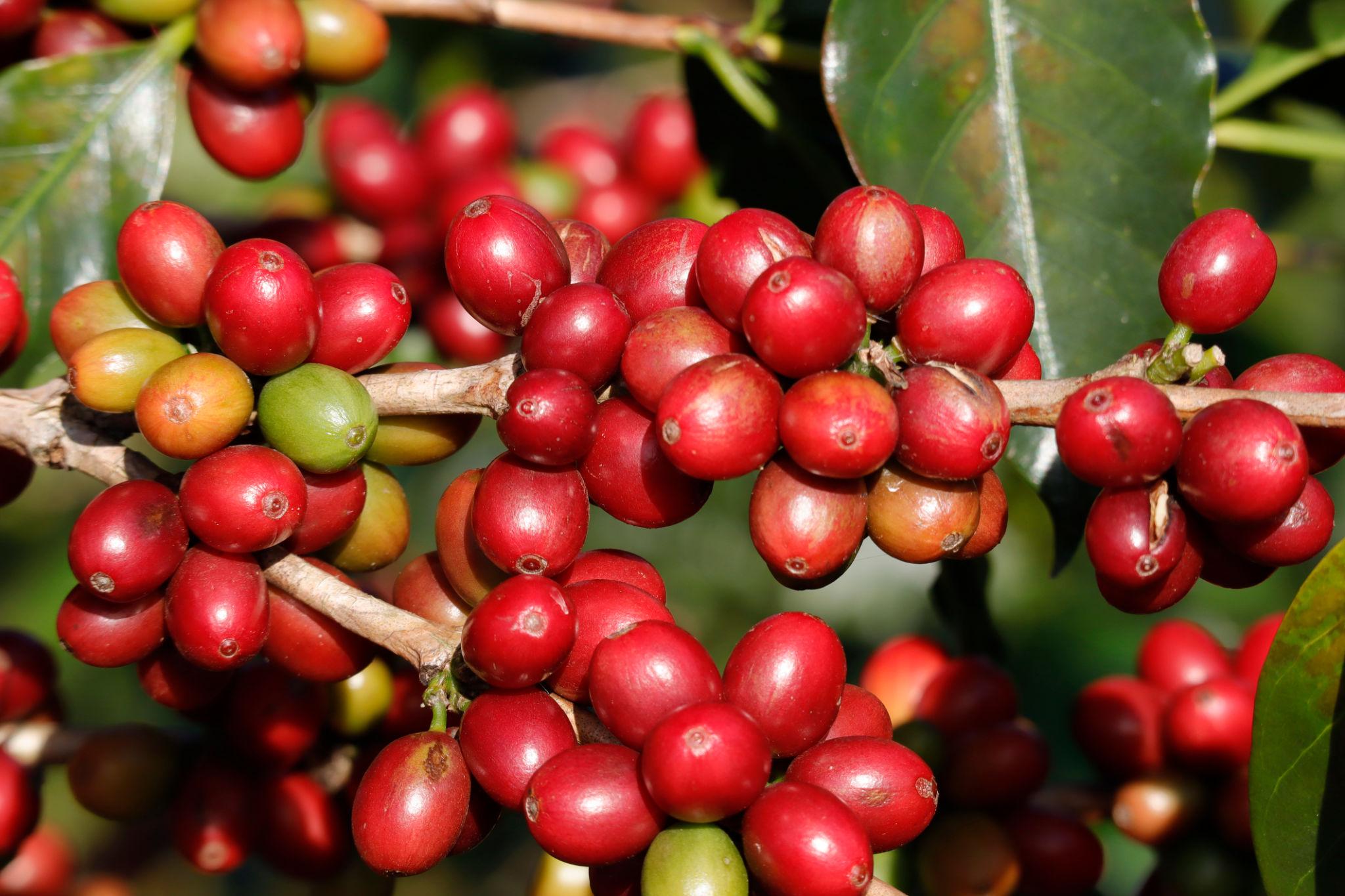
Terroir is not only about the land.
The coffee plant itself matters.
Different varieties can respond differently to the same environment.
For example, Typica, Bourbon, and Catimor can show different characteristics even when grown in the same region.
This means that the identity of a coffee comes from the interaction between:
Variety + Environment
The same variety grown in two different countries can also produce very different coffees.
Why Does the Same Variety Taste Different?
Imagine growing the same Arabica variety in two different regions.
One location may have:
-
Higher elevation
-
Cooler nights
-
Different rainfall
-
Different soil
The other may have:
-
Warmer temperatures
-
Lower elevation
-
Different seasonal patterns
The plants experience different conditions as the cherries develop.
As a result, the green coffees can have different physical and sensory characteristics.
This is one reason origin matters so much in specialty coffee.
Terroir Is Not the Same as Processing
This is an important distinction.
Two coffees can come from the same farm and have similar terroir but taste very different because they were processed differently.
For example:
Washed
Often emphasizes:
-
Clarity
-
Acidity
-
Clean finish
Natural
Can emphasize:
-
Fruit character
-
Sweetness
-
Body
Honey
Can offer a balance of characteristics depending on how the coffee is processed and dried.
The growing environment stays the same.
The processing changes.
This is why terroir is only one part of the coffee's story.
Roasting Also Shapes the Final Cup
After processing and drying, the coffee becomes green coffee.
Then roasting transforms it again.
The roaster controls factors such as:
-
Heat
-
Time
-
Airflow
-
Development
A suitable roast can highlight the characteristics of the green coffee.
A different roast profile can emphasize sweetness, body, acidity, or roast character.
The journey can therefore be simplified as:
Terroir → Growing → Processing → Green Coffee → Roasting → Brewing → Cup
Every stage contributes to the final experience.
What Makes Vietnamese Coffee Terroir Interesting?
Vietnam is often known internationally for Robusta, but the country has a much more diverse coffee landscape.
Different regions offer different:
-
Elevations
-
Climates
-
Soils
-
Varieties
-
Farming traditions
-
Processing methods
This creates a wide range of coffee profiles.
The Central Highlands are particularly important to Vietnam's coffee industry, while areas around Da Lat provide suitable conditions for Arabica cultivation.
Cau Dat is one of Vietnam's highland Arabica origins.
The Terroir of Cau Dat
.jpg)
Cau Dat is located in the highlands of Da Lat and is known for its cool growing environment and high elevation.
These conditions are part of the identity of Cau Dat Arabica.
But the character of Cau Dat coffee does not come from elevation alone.
It comes from the combination of:
Highland Environment + Arabica Varieties + Farming + Processing + Drying
Different farms and lots can still produce different results because microclimate, variety, harvest timing, processing, and other conditions can vary.
That is why each coffee should be evaluated individually.
Why Terroir Matters to Coffee Buyers
For green coffee buyers and roasters, understanding terroir provides useful context.
Instead of looking only at the country of origin, buyers can ask:
-
Where exactly was the coffee grown?
-
At what elevation?
-
Which variety is it?
-
What is the climate like?
-
How was the coffee processed?
-
How was it dried?
-
What does the coffee taste like?
This information helps buyers understand what they are purchasing and gives roasters a better starting point for developing a roast profile.
Terroir and Vietnamese Arabica
Vietnamese Arabica offers an interesting opportunity for roasters looking beyond traditional coffee origins.
Highland areas such as Cau Dat provide a different expression of Vietnamese coffee, shaped by elevation, climate, varieties, and local growing conditions.
For roasters, exploring these coffees can also be a way to understand how Vietnamese Arabica compares with coffees from other major origins.
The best way to understand an origin, however, is not simply to read about it.
Taste it.
Discover Cau Dat Coffee
At Cau Dat Bean, we work with Vietnamese coffee from the highlands of Da Lat, including Arabica from the Cau Dat area.
We believe that understanding a coffee means looking beyond the final cup.
Origin, variety, processing, physical characteristics, roasting, and brewing all contribute to the final result.
For green coffee buyers and roasters, Cau Dat offers an opportunity to explore a distinctive Vietnamese highland origin and discover how its characteristics develop through different processing and roasting approaches.
Final Thoughts
Coffee terroir is not one single factor.
It is the interaction between the coffee plant and the environment in which it grows.
Elevation influences the climate.
Climate influences plant development.
Soil supports the plant.
Variety shapes the potential.
Processing and roasting reveal different characteristics.
And finally, brewing brings everything together in the cup.
This is why coffees from different places can taste so different—even when they are the same variety.
And it is also why every coffee-growing region has its own story to tell.
Frequently Asked Questions
What is coffee terroir?
Coffee terroir refers to the environmental and geographical conditions that influence how coffee grows and develops, including elevation, climate, soil, and growing conditions.
Does terroir determine coffee flavor?
No. Terroir influences coffee development, but variety, processing, drying, roasting, and brewing also have major effects on the final flavor.
Does higher altitude mean better coffee?
Not necessarily. Higher elevation creates different growing conditions, but elevation alone does not determine coffee quality.
What factors influence coffee terroir?
Important factors include elevation, climate, temperature, rainfall, soil, geography, and the interaction between the coffee variety and its environment.
Why is Cau Dat interesting for Arabica?
Cau Dat is a highland coffee-growing area around Da Lat, with a cool growing environment and elevations above 1,500 meters. These conditions form part of the terroir associated with its Arabica coffee.
Can the same coffee variety taste different in different places?
Yes. The same variety can develop differently when grown under different environmental conditions and processed differently.


 Group4, Cau Dat Village, Xuan Truong commune, Da Lat City, Lam Dong Province, Vietnam
 +84 783 472 234
 caudatbean@gmail.com
  www.caudatbean.com