
What Does Coffee Balance Mean? Understanding Flavor Balance in Coffee
Have you ever tasted a coffee and thought:
“This coffee is really balanced.”
But what does balanced coffee actually mean?
It does not mean that every flavor has exactly the same intensity.
A balanced coffee can be bright and acidic, sweet and chocolatey, light and delicate, or rich and full-bodied.
The key is how the different characteristics work together.
Acidity, sweetness, bitterness, body, aroma, flavor, and aftertaste all contribute to the overall experience. When these elements complement rather than overwhelm each other, the coffee can feel harmonious and easy to enjoy.
That is what coffee professionals often mean when they talk about balance.
What Is Balance in Coffee?
Coffee balance describes how different sensory characteristics work together in the cup.
When tasting coffee, professionals may consider characteristics such as:
-
Aroma
-
Flavor
-
Acidity
-
Sweetness
-
Bitterness
-
Body or mouthfeel
-
Aftertaste
The Specialty Coffee Association's sensory materials treat balance as the relationship among several of these characteristics rather than as one isolated flavor.
For example, a coffee can have noticeable acidity but still taste balanced if its sweetness and flavor characteristics support that acidity.
Likewise, a coffee can have some bitterness without becoming unpleasant if the bitterness fits naturally with its body, sweetness, and roast character.
Balance is therefore about relationship, not simply intensity.
Balanced Does Not Mean Mild
One common misunderstanding is that balanced coffee must be soft, light, or mild.
That is not necessarily true.
A coffee can have a strong personality and still feel balanced.
Imagine an espresso with:
-
Rich chocolate flavor
-
Moderate acidity
-
Caramel sweetness
-
Full body
-
A clean finish
The flavors are not weak.
They simply work together.
On the other hand, a coffee with very strong bitterness that completely hides its sweetness and acidity may feel less balanced.
The same can happen with very sharp acidity or excessive astringency.
So balance is not about making everything weaker.
It is about allowing each characteristic to have its place.
The Role of Acidity

Acidity is one of the most important components of coffee flavor.
In coffee, acidity does not simply mean “sour.”
Different acids can contribute different sensory impressions, including fruity, bright, wine-like, or other flavor characteristics. Research discussed by the Specialty Coffee Association notes that coffee acids can influence flavor, mouthfeel, and astringency in different ways.
A coffee with pleasant acidity can feel lively and refreshing.
For example, a washed Arabica might show notes associated with:
-
Citrus
-
Apple
-
Stone fruit
-
Berries
-
Floral characteristics
But acidity needs to work with the rest of the cup.
When acidity is very prominent without enough sweetness or body to support it, some drinkers may perceive the coffee as sharp or sour.
Sweetness Helps Create Balance
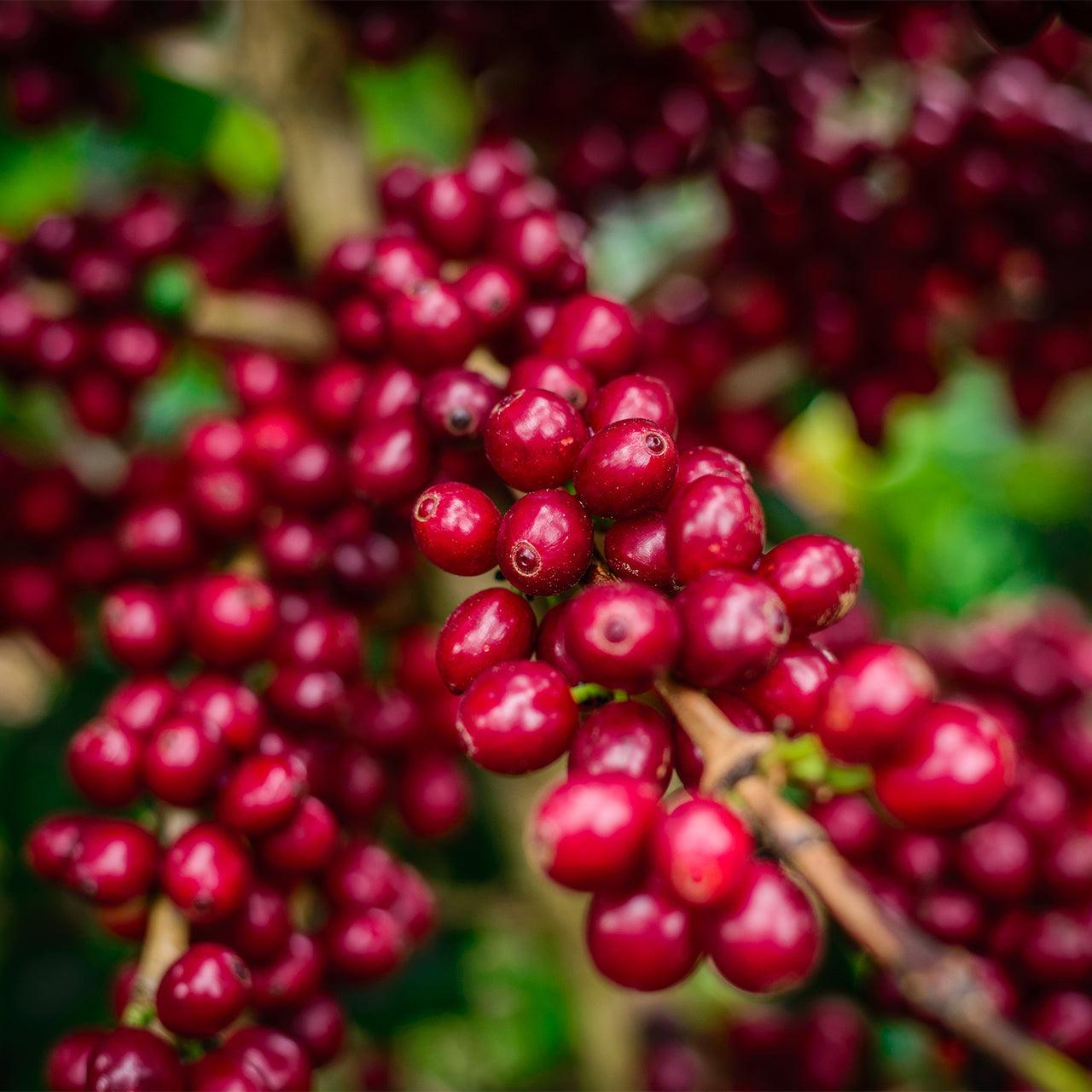
Sweetness is another important part of coffee balance.
Natural coffee sweetness can appear as sensations associated with:
-
Caramel
-
Brown sugar
-
Honey
-
Chocolate
-
Ripe fruit
-
Dried fruit
Sweetness can soften the perception of acidity and bitterness.
For example, a coffee with bright citrus-like acidity may feel more rounded when accompanied by caramel sweetness.
This does not mean that the coffee literally contains sugar or tastes like a sweet dessert.
These are sensory descriptions that help us communicate what we perceive in the cup.
What About Bitterness?
Bitterness often gets a bad reputation in coffee.
But bitterness is not automatically a defect.
Coffee naturally contains compounds that contribute to bitter taste, and some bitterness can be part of a pleasant and balanced cup. The Specialty Coffee Association has noted that bitterness can work together with acidity and other taste characteristics as part of the overall coffee experience.
The question is not simply:
“Is this coffee bitter?”
A better question is:
“How does the bitterness interact with the rest of the coffee?”
A small amount of bitterness can add depth to chocolate, caramel, nutty, and roasted flavors.
Too much bitterness, however, can dominate the cup.
Body and Balance
Body describes the physical sensation of coffee in the mouth.
Some coffees feel light and tea-like.
Others feel creamy, rich, or heavy.
Neither is automatically better.
A light-bodied coffee can be beautifully balanced when its acidity, sweetness, and aroma work together.
A full-bodied coffee can also be balanced when its richness does not overwhelm the other characteristics.
This is why balance should not be confused with body.
A coffee does not need to be heavy to be balanced.
Aroma and Flavor Work Together
Coffee aroma is also an important part of the experience.
When you smell coffee, you are already forming expectations about what you are about to taste.
During drinking, aroma continues to contribute to what we experience as flavor.
The World Coffee Research Sensory Lexicon identifies a wide range of flavor, aroma, and texture attributes that can be used to describe coffee, showing just how complex coffee sensory perception can be.
A balanced coffee may therefore have several noticeable aromas without one characteristic completely dominating the experience.
You might notice floral aromas first, followed by fruit, then caramel or chocolate as the coffee cools.
That changing experience can be part of a balanced cup.
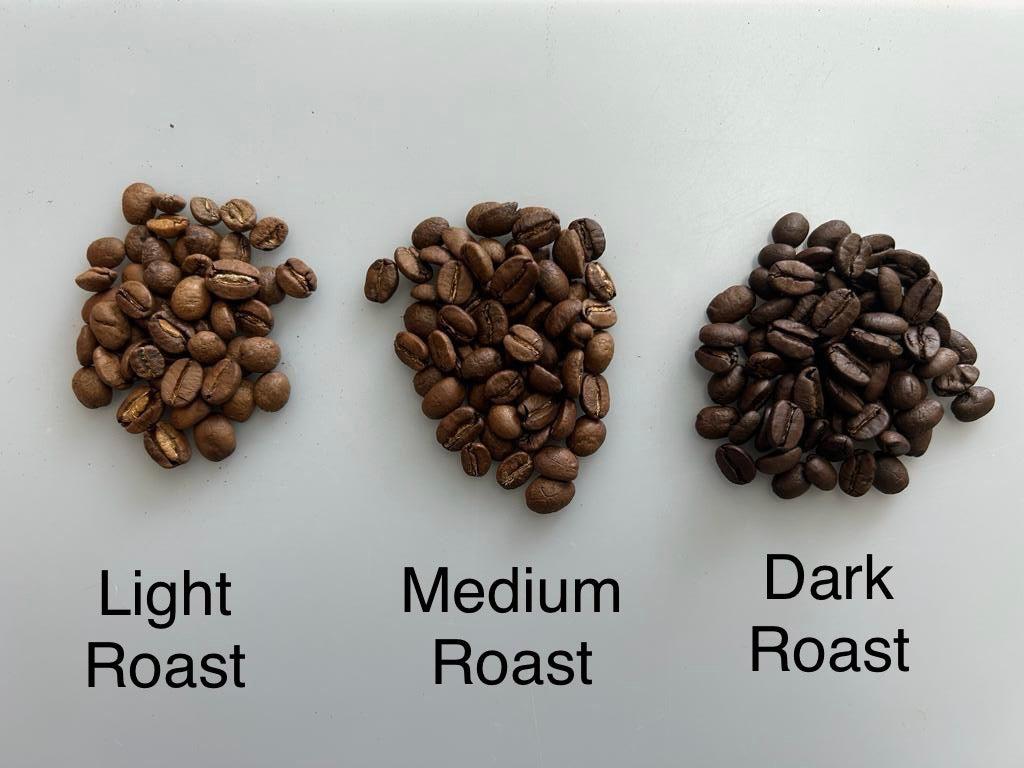
How Roast Level Can Change Balance
Roasting has a major influence on the sensory profile of coffee.
Research discussed by the Specialty Coffee Association found that darker roast degrees were associated with increased perceptions of bitterness and roasted characteristics, while lighter roasts showed greater perceptions of acidity and dried-fruit characteristics in the study described.
This does not mean that every light roast or dark roast tastes the same.
Instead, it shows why roast development is important when building a particular flavor profile.
Lighter Roasts
A lighter roast may emphasize:
-
Acidity
-
Fruit
-
Floral aromas
-
Origin character
-
Delicate sweetness
The challenge is making sure the acidity does not become overly sharp.
Medium Roasts
Medium roasting can provide a middle ground between origin character and roast flavors.
Depending on the coffee, you may find:
-
Caramel
-
Chocolate
-
Fruit
-
Nuts
-
Brown sugar
-
Moderate acidity
Darker Roasts
Darker roasting tends to emphasize more roasted characteristics.
You may notice:
-
Dark chocolate
-
Toasted nuts
-
Caramel
-
Spice
-
Roasted flavors
If roasting is too aggressive for the particular coffee, bitterness and roasted flavors can become dominant.
Brewing Also Changes Balance
Even a well-produced coffee can taste unbalanced if it is not brewed appropriately.
Extraction determines which soluble compounds move from the coffee grounds into the water.
Several variables can influence the result:
-
Grind size
-
Water temperature
-
Brewing time
-
Coffee-to-water ratio
-
Brewing method
-
Water composition
For example, over-extraction can produce a cup that tastes harsh, dry, or excessively bitter.
Under-extraction may produce a cup that feels sharp, thin, or overly sour.
The goal is not simply to extract “more” or “less.”
It is to find a brewing point where the characteristics work together.
Can Water Affect Coffee Balance?
Absolutely.
Water is not just a neutral ingredient.
Its mineral composition can influence how coffee extracts and how the resulting cup tastes.
The Specialty Coffee Association has discussed how water chemistry can affect coffee flavor, including the relationship between water composition, acidity, bitterness, and aroma development.
This is one reason the same coffee can taste different when brewed with different water.
If you change the water, you may change the balance.
Processing Can Influence the Final Balance
Coffee processing also contributes to the sensory profile.
Washed, honey, and natural coffees can develop different combinations of acidity, sweetness, fruitiness, and body.
Washed Coffee
Washed coffees are often associated with clarity and a clean flavor profile.
They may highlight:
-
Citrus
-
Floral notes
-
Crisp acidity
-
Clean sweetness
Honey Coffee
Honey processing can produce coffees with a combination of clarity and sweetness.
Depending on the lot, you may find:
-
Caramel
-
Ripe fruit
-
Brown sugar
-
Smooth sweetness
Natural Coffee
Natural processing can produce expressive fruit characteristics.
Depending on the coffee, the cup may show:
-
Berry
-
Tropical fruit
-
Dried fruit
-
Wine-like notes
The important point is that processing does not determine one fixed flavor.
Variety, growing environment, harvest, drying, roasting, and brewing all contribute to the final cup.
How Can You Tell If a Coffee Is Balanced?
You do not need to be a professional cupper to start noticing balance.
Try asking yourself a few simple questions.
1. Is the acidity comfortable?
Does it feel bright and refreshing, or sharp and aggressive?
2. Is there enough sweetness?
Does the coffee have a pleasant sweetness that supports its acidity and flavor?
3. Is the bitterness under control?
Does bitterness add depth, or does it dominate the cup?
4. Does the body fit the flavor?
Does the texture support the coffee's character?
5. What happens after you swallow?
Does the finish remain pleasant, or does it become dry, harsh, or bitter?
6. Do the flavors make sense together?
Can you experience several characteristics without one completely hiding the others?
These questions can help you understand balance without needing complicated equipment.
A Simple Coffee Balance Experiment
You can try this at home with the same coffee.
Brew one coffee using your normal recipe.
Then make a second cup with a slightly different brewing recipe.
For example, you could adjust the grind size or coffee-to-water ratio.
Taste both side by side.
Instead of asking which one is “better,” ask:
-
Which one has more acidity?
-
Which one tastes sweeter?
-
Which one feels heavier?
-
Which one has more bitterness?
-
Which one has a cleaner finish?
-
Which one feels more harmonious overall?
This simple comparison can help you understand what balance means through your own palate.
Is Balanced Coffee Better for Everyone?
Not necessarily.
Taste is personal.
Some people enjoy bright, high-acidity coffees.
Others prefer rich, chocolatey coffees with lower perceived acidity.
Some prefer light-bodied filter coffee.
Others prefer a full-bodied espresso or Vietnamese phin.
A coffee that feels perfectly balanced to one person may not be the style another person prefers.
That is why balance should be understood as a sensory relationship, not a universal definition of what every coffee should taste like.
Finding Balance in Cầu Đất Coffee
Cầu Đất Arabica is grown in the highlands of Đà Lạt, where cool conditions and elevation provide a distinctive environment for coffee cultivation.
Cau Dat Bean works with different Arabica varieties and processing methods, so individual lots can show different sensory characteristics.
Depending on the lot, you may discover combinations of:
-
Floral aroma
-
Fruity acidity
-
Natural sweetness
-
Caramel
-
Chocolate
-
Clean finish
The interesting part is not simply finding one flavor.
It is seeing how those flavors work together.
A bright acidity may make the sweetness feel more noticeable.
A chocolate character may give the cup more depth.
A clean finish may help the flavors remain clear rather than heavy.
That interaction is where balance becomes interesting.
Coffee Balance Is About Harmony
Coffee does not need to taste perfectly uniform.
In fact, some of the most interesting coffees change as you drink them.
You may notice fruit at the beginning, sweetness in the middle, and chocolate or spice toward the finish.
Balance means these characteristics can coexist without one completely overwhelming the others.
It is the relationship between the parts that creates the whole experience.
Final Thoughts
So, what does coffee balance mean?
It means how the different characteristics of a coffee come together in the cup.
Acidity, sweetness, bitterness, body, aroma, flavor, and aftertaste all contribute.
A balanced coffee does not have to be mild.
It does not have to be dark roasted.
It does not have to be light roasted.
And it does not have to taste the same for everyone.
The best way to understand balance is to taste carefully and compare.
Slow down.
Take a sip.
Notice the acidity.
Look for sweetness.
Feel the body.
Pay attention to bitterness.
Then wait for the finish.
Sometimes, the most interesting part of coffee is not one individual flavor — it is how all the flavors work together.
Try Before You Buy
Looking for Vietnamese Arabica and coffee from the highlands of Đà Lạt?
Visit Cau Dat Bean and explore our coffee selection.
Cau Dat Bean Showroom
82B Trương Công Định, Phường Xuân Hương, Đà Lạt, Lâm Đồng, Vietnam
Phone / WhatsApp: +84 926 915 849
Email: caudatbean@gmail.com
Try before you buy.
Frequently Asked Questions
What does balance mean in coffee?
Coffee balance describes how characteristics such as acidity, sweetness, bitterness, body, flavor, and aftertaste interact with one another.
Is balanced coffee less bitter?
Not necessarily. A balanced coffee can contain bitterness. The important factor is whether the bitterness works well with the other characteristics.
Does acidity make coffee unbalanced?
No. Acidity is an important part of many coffees. It can contribute brightness and complexity when it works well with sweetness, flavor, and body.
Can dark roast coffee be balanced?
Yes. A dark-roasted coffee can be balanced when its roasted, bitter, sweet, and aromatic characteristics work together.
Can brewing affect coffee balance?
Yes. Grind size, water temperature, brewing time, coffee-to-water ratio, and water composition can all influence extraction and the resulting balance.
Is coffee balance a personal preference?
Partly. Balance describes the relationship among sensory characteristics, but individual preferences determine what kinds of balance a person enjoys most.


 Group4, Cau Dat Village, Xuan Truong commune, Da Lat City, Lam Dong Province, Vietnam
 +84 783 472 234
 caudatbean@gmail.com
  www.caudatbean.com