
Why Does Coffee Bloom? The Science Behind Fresh Coffee Brewing
If you have ever brewed pour-over coffee, you may have noticed something interesting during the first pour.
The coffee grounds suddenly swell.
Small bubbles appear.
The coffee bed rises and releases gas before the rest of the brewing process begins.
This is called coffee blooming.
Although it only lasts for a short time, blooming is an important part of the brewing process, especially when using freshly roasted coffee.
So, why does coffee bloom?
What Is Coffee Blooming?
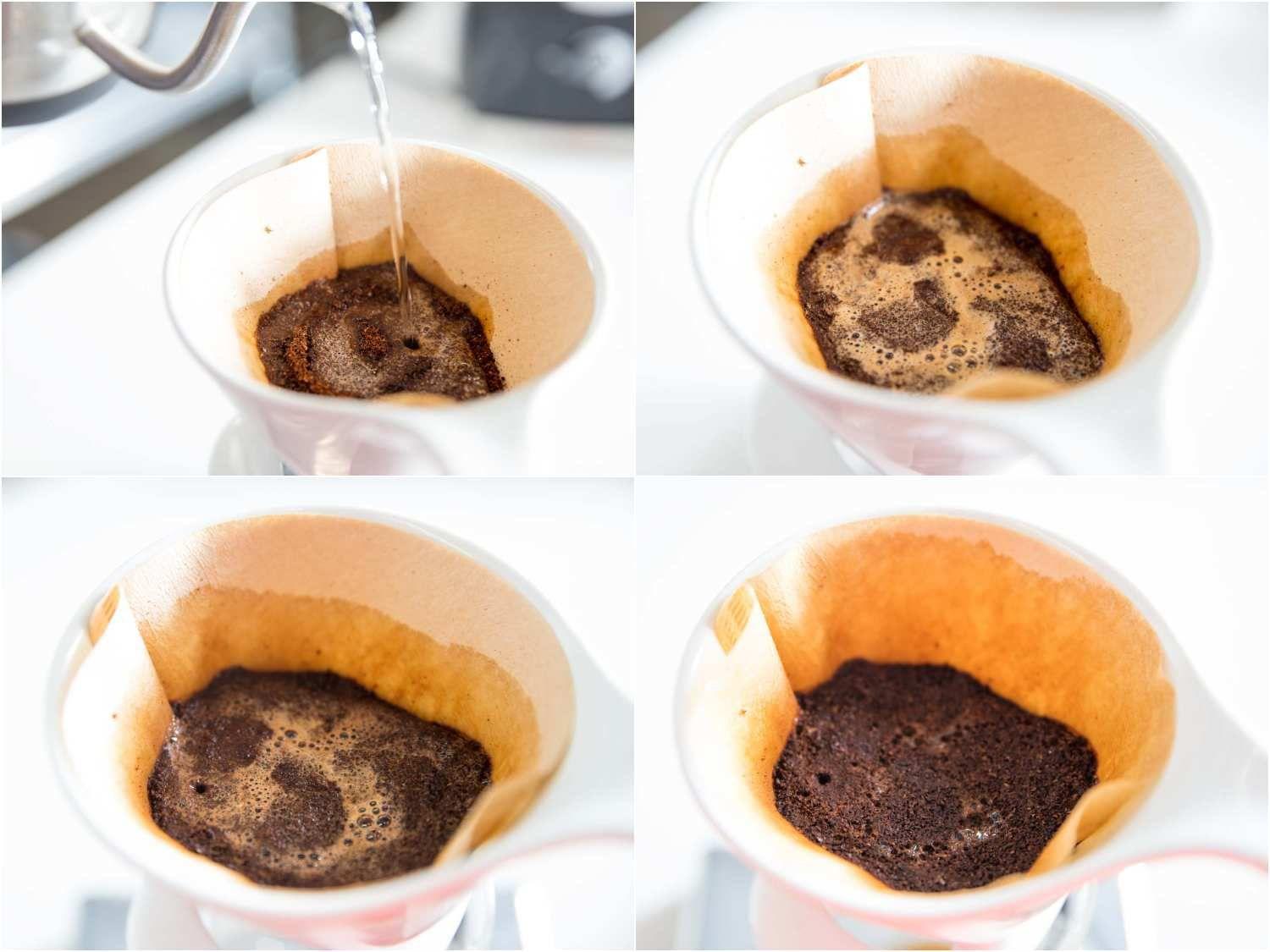
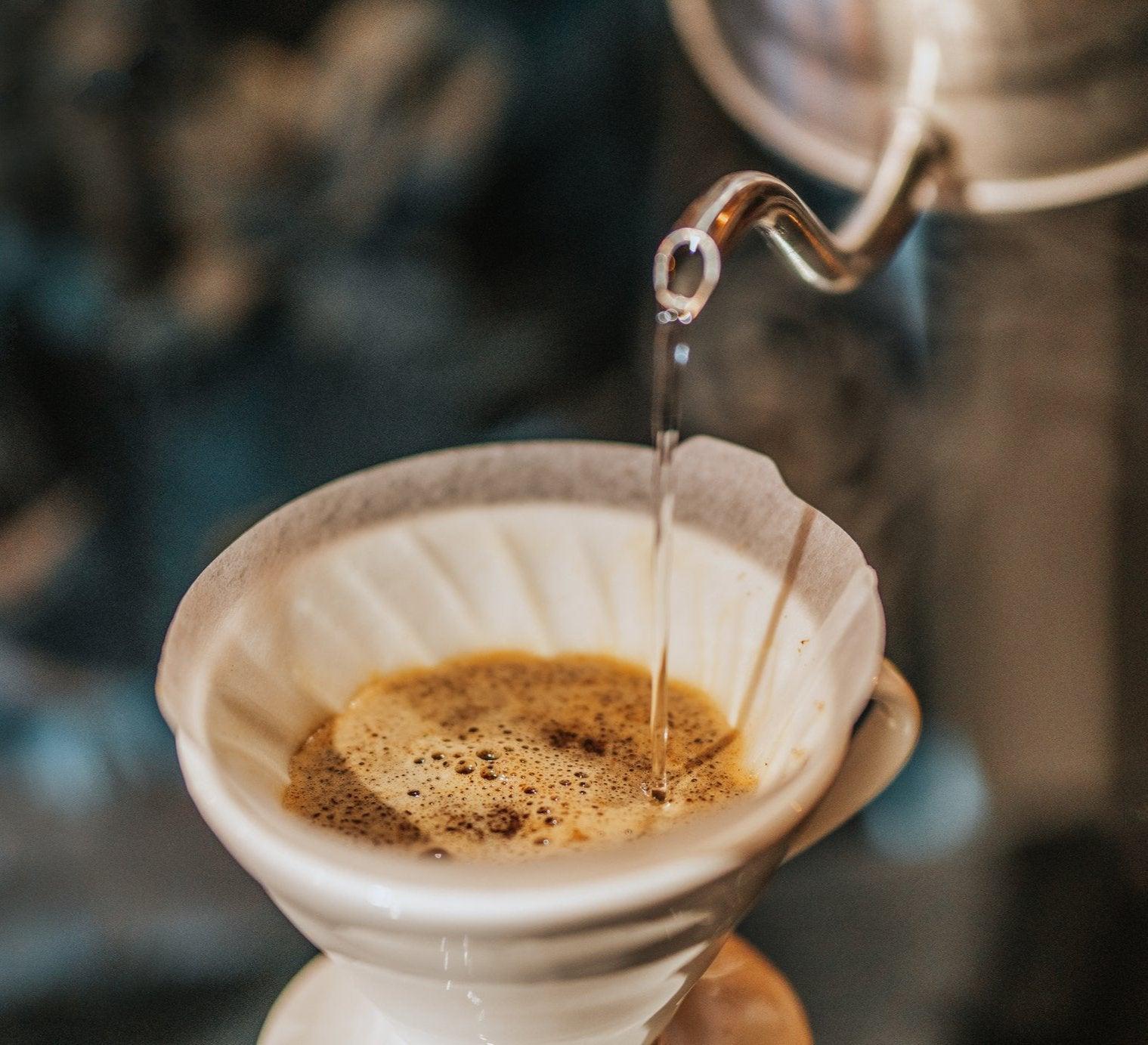
Coffee blooming is the first stage of brewing when a small amount of hot water is added to freshly ground coffee.
The coffee grounds absorb water and begin releasing carbon dioxide (CO₂) that was trapped inside the beans during roasting.
As the gas escapes, the coffee grounds expand and rise.
This is what we call the coffee bloom.
A typical pour-over recipe may begin with a small amount of water, followed by a short waiting period before the main pour.
The goal is to allow the coffee grounds to become evenly saturated and release some of the trapped gas.
Why Does Fresh Coffee Bloom More?
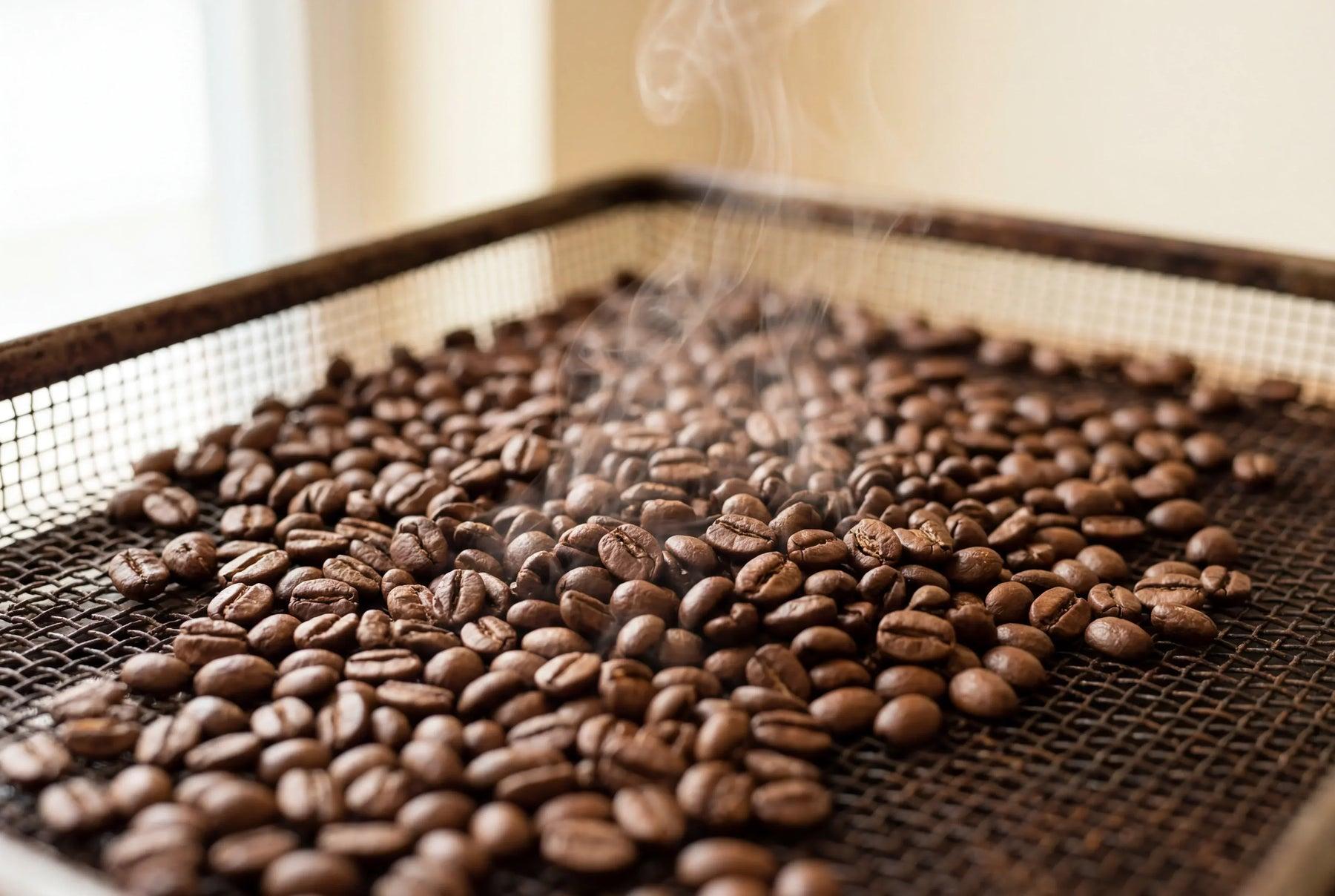
Freshly roasted coffee contains more carbon dioxide.
During roasting, chemical reactions inside the coffee bean produce gases, including CO₂.
Some of this gas remains trapped inside the structure of the roasted bean.
When you grind the coffee, its internal structure is broken apart.
When water reaches the grounds, the trapped gas begins to escape.
This creates the bubbles and swelling that you see during blooming.
That is why very fresh coffee can produce a much more noticeable bloom.
Does a Bigger Bloom Mean Better Coffee?
Not necessarily.
A large, dramatic bloom can be interesting to watch, but it does not automatically mean that the coffee is better.
Bloom size can be influenced by:
-
Roast date
-
Roast level
-
Coffee density
-
Processing method
-
Grind size
-
Bean structure
-
Storage conditions
-
Brewing method
A coffee that produces a large bloom is not automatically higher quality than one with a smaller bloom.
The final cup is what matters.
Why Is Blooming Important?
Blooming can help prepare the coffee grounds for more even extraction.
When dry coffee grounds first come into contact with water, trapped CO₂ can interfere with how water moves through the coffee bed.
If a large amount of gas remains trapped, some areas of the grounds may not become evenly saturated.
Allowing the coffee to bloom gives the grounds time to release gas and absorb water before the main brewing phase.
This can help create a more consistent extraction.
How Long Should Coffee Bloom?
There is no single perfect bloom time for every coffee.
A common starting point for pour-over is around 30–45 seconds.
However, the ideal time depends on the coffee and brewing recipe.
You may need to adjust the bloom based on:
-
Coffee freshness
-
Roast level
-
Grind size
-
Dose
-
Filter
-
Brewer
-
Water temperature
Instead of following one number blindly, pay attention to how the coffee behaves.
How Much Water Should You Use for the Bloom?
A useful starting point is around 2–3 times the weight of the coffee.
For example:
20 g coffee → around 40–60 g water for blooming
The goal is to wet the coffee grounds thoroughly without immediately flooding the entire brewing bed.
After the bloom, the remaining water can be added according to your recipe.
What Happens If You Skip the Bloom?
Skipping the bloom does not mean your coffee will automatically taste bad.
However, with freshly roasted coffee, the trapped CO₂ may affect how water interacts with the coffee grounds.
You may notice:
-
Uneven extraction
-
Less clarity
-
Inconsistent flavor
-
Sour or underdeveloped characteristics
The effect depends on the coffee, brewing method, and recipe.
Blooming is particularly common in manual pour-over brewing because the brewer has direct control over the first stage of extraction.
Blooming and Grind Size
Grind size can influence how the bloom behaves.
A finer grind creates more surface area and can change how quickly water interacts with the coffee.
A coarser grind may allow water to move through the coffee bed more quickly.
If your coffee is blooming very aggressively or the water is struggling to pass through the bed, your grind and brewing recipe may need adjustment.
Blooming should therefore be considered as part of the entire brewing process rather than as an isolated step.
Blooming and Roast Level
Roast level can also affect blooming.
Roasting changes the internal structure of coffee beans and influences how much gas remains trapped inside them.
Light and medium roasts can behave differently from darker roasts during brewing.
The same is true for coffees with different densities and processing methods.
This is one reason why a brewing recipe that works perfectly for one coffee may need adjustment for another.
Blooming and Coffee Freshness
Freshness is one of the most important factors.
Immediately after roasting, coffee contains a relatively high amount of CO₂.
As the coffee rests, some of this gas naturally escapes.
This process is often called degassing.
As a result, a coffee roasted recently may produce a much stronger bloom than the same coffee several weeks later.
This does not mean that the freshest possible coffee is always the best coffee to brew.
Coffee also needs time after roasting to stabilize.
The ideal resting period depends on the roast, coffee, brewing method, and personal preference.
Why Does the Coffee Bed Rise?
The coffee bed rises because water enters the roasted coffee particles while gases trapped inside the beans escape.
The combination of:
Water + trapped CO₂ + expanding coffee grounds
creates the swelling effect that we see during blooming.
The visual movement is simply evidence that the coffee is interacting with water.
How to Bloom Coffee Properly
If you are using a pour-over brewer, try this simple method.
Step 1: Prepare Your Coffee
Use freshly roasted coffee and grind it shortly before brewing.
Step 2: Add the Coffee to the Filter
Make sure the coffee bed is reasonably level.
Step 3: Add the Bloom Water
Pour enough water to thoroughly wet the grounds.
A starting point is around 2–3 times the coffee dose.
Step 4: Wait
Allow the coffee to bloom for around 30–45 seconds.
Watch the coffee bed.
You may see bubbles forming and the grounds expanding.
Step 5: Continue Brewing
After the bloom, continue pouring the remaining water according to your recipe.
The goal is not simply to create the biggest bloom.
The goal is to create an even and controlled extraction.
What If Your Coffee Barely Blooms?
Don't worry.
A small bloom does not necessarily indicate a problem.
Possible reasons include:
-
The coffee is older
-
The coffee was pre-ground
-
The roast has released much of its CO₂
-
The coffee has a different structure
-
The roast profile affects gas retention
-
The coffee was stored for a longer period
Instead of judging coffee quality by bloom size, judge the final cup.
If the coffee tastes balanced, sweet, clean, and enjoyable, the bloom has done its job.
What If Your Coffee Blooms Too Much?
An extremely aggressive bloom can sometimes make brewing more difficult.
The coffee bed may expand significantly and water may have difficulty moving evenly through the grounds.
If this happens, you can experiment with:
-
Slightly adjusting the grind
-
Changing the amount of bloom water
-
Adjusting your pouring technique
-
Allowing a little more time before the main pour
Small changes can make the brewing process more controlled.
Does Blooming Work With Every Brewing Method?
Blooming is most commonly discussed with pour-over and other manual filter brewing methods.
It can also be relevant to some other brewing techniques, but not every method requires a separate blooming stage.
For example, espresso is prepared differently because water is forced through a compact coffee puck under pressure.
French Press also works differently because coffee grounds are immersed in water for a longer period.
The importance of blooming therefore depends on the brewing method.
Blooming and Specialty Coffee
Blooming is particularly interesting when working with specialty coffee because small changes in brewing can reveal different characteristics.
A well-developed coffee may show:
-
Floral aromas
-
Fruit notes
-
Caramel sweetness
-
Chocolate
-
Citrus
-
Clean acidity
A good brewing recipe helps reveal these characteristics rather than simply making the coffee stronger.
Why Blooming Matters for Vietnamese Coffee
Vietnamese coffee is often associated with traditional phin brewing, but Vietnamese specialty Arabica can also be excellent for modern filter brewing.
Highland Arabica from regions such as Cau Dat can show delicate aromas, sweetness, acidity, and fruit or floral characteristics.
Using a pour-over method and paying attention to the bloom can help highlight these characteristics in the cup.
Cau Dat Coffee and the Brewing Experience
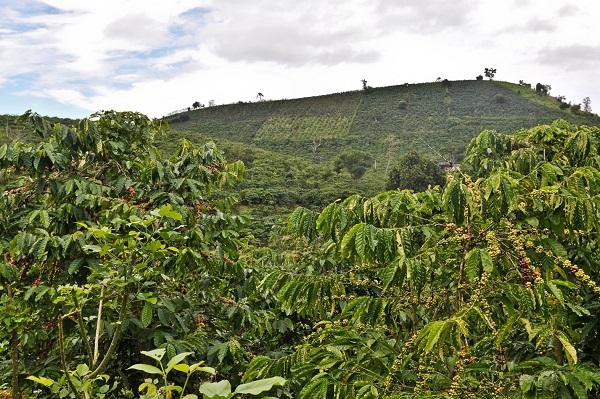
At Cau Dat Bean, we work with coffee from the highlands of Da Lat, where origin, variety, processing, roasting, and brewing all contribute to the final cup.
A coffee bean does not stop changing once it leaves the roaster.
How you grind it, how you add water, and how you extract it can all influence what you finally taste.
Sometimes, something as simple as watching the coffee bloom can help you understand that process.
Final Thoughts
Coffee blooming is a small step, but it reveals something fascinating about coffee.
When hot water reaches freshly ground beans, trapped carbon dioxide escapes, the grounds absorb water, and the coffee bed begins to expand.
That simple reaction connects roasting, freshness, grinding, and brewing in one visible moment.
So the next time you make a pour-over, don't rush through the first pour.
Watch the coffee bloom.
It is a small reminder that every cup of coffee is the result of many changes happening long before the first sip.
Frequently Asked Questions
What is coffee bloom?
Coffee bloom is the swelling of freshly ground coffee when it first comes into contact with hot water. It happens mainly because carbon dioxide escapes from the roasted coffee.
Why does fresh coffee bloom more?
Freshly roasted coffee generally contains more trapped CO₂. As the coffee rests after roasting, this gas gradually escapes.
How long should coffee bloom?
Around 30–45 seconds is a useful starting point for many pour-over recipes, but the ideal time depends on the coffee and brewing method.
How much water should I use for blooming?
A common starting point is around 2–3 times the weight of the coffee. For 20 g of coffee, try approximately 40–60 g of water.
Does a bigger coffee bloom mean better quality?
No. Bloom size is influenced by freshness, roast, density, grind, processing, and storage. A dramatic bloom does not automatically mean better coffee.
What happens if I don't bloom my coffee?
The coffee can still be brewed, but trapped CO₂ may interfere with even saturation and extraction, particularly when using freshly roasted coffee.
Can I bloom pre-ground coffee?
Yes, but pre-ground coffee generally loses CO₂ faster because grinding exposes much more surface area to oxygen. Freshly grinding immediately before brewing usually provides a more noticeable bloom.
Discover Cau Dat Bean
Explore Vietnamese coffee from the highlands of Da Lat and discover how roasting and brewing bring different characteristics to life.
Cau Dat Bean Showroom
📍 82B Truong Cong Dinh, Xuan Huong Ward, Da Lat, Lam Dong, Vietnam
📞 +84 926 915 849
✉️ caudatbean@gmail.com
Try before you buy.


 Group4, Cau Dat Village, Xuan Truong commune, Da Lat City, Lam Dong Province, Vietnam
 +84 783 472 234
 caudatbean@gmail.com
  www.caudatbean.com