
Coffee Varieties Explained: Typica, Bourbon, Caturra & Catimor
When you drink a cup of specialty coffee, you may notice words such as Typica, Bourbon, Caturra, Catimor, or Moka on the label. But what do these names actually mean?
These are coffee varieties — different genetic types of coffee plants that can influence the plant’s growth, productivity, and the characteristics of the coffee it produces.
Understanding coffee varieties is an important step for anyone who wants to explore specialty coffee more deeply. The same coffee-growing region can produce very different flavors depending on the variety, processing method, altitude, soil, and roasting profile.
In this guide, we will explain some of the most important coffee varieties, including Typica, Bourbon, Caturra, Catimor, and Moka, with a focus on Vietnamese Arabica and coffee from the Cau Dat region.
1. What Is a Coffee Variety?

A coffee variety is a genetically distinct type of coffee plant within the Coffea species.
For Arabica coffee, many well-known varieties have developed through natural mutations, selection, breeding, or cultivation in different coffee-growing regions.
The variety of a coffee plant can affect:
-
Plant size and structure
-
Cherry size and shape
-
Yield and productivity
-
Disease resistance
-
Ripening characteristics
-
Acidity and sweetness
-
Aroma and flavor potential
However, variety is only one part of the equation.
The final flavor of coffee is also influenced by terroir, altitude, climate, soil, harvesting, processing, drying, storage, and roasting.
That is why two coffees from the same variety can still taste completely different.
2. Coffee Variety vs. Origin: What's the Difference?
These two terms are often confused.
Coffee variety refers to the genetic type of the coffee plant.
Coffee origin refers to where the coffee was grown.
For example, a coffee can be:
Typica variety + Cau Dat, Vietnam origin
or:
Bourbon variety + another coffee-growing region
The variety tells us something about the plant itself, while the origin tells us about the environment where the coffee was grown.
This distinction is particularly important in specialty coffee because genetics and terroir work together to shape the final cup.
3. Typica Coffee

Typica is one of the most historically important Arabica coffee varieties.
It is closely associated with the early spread of Arabica coffee around the world and is known for producing coffee with excellent cup quality when grown under suitable conditions.
Typica plants generally have a tall growth structure and relatively lower productivity compared with some modern cultivated varieties. However, its reputation for cup quality has made it highly valued among specialty coffee producers.
Depending on origin and processing, Typica can show characteristics such as:
-
Clean sweetness
-
Elegant acidity
-
Floral aromas
-
Fruity notes
-
Balanced body
-
Long and pleasant finish
Vietnamese-grown Typica can be particularly interesting when cultivated at higher elevations and carefully processed.
For specialty coffee buyers, Typica is often associated with quality, complexity, and traditional Arabica genetics.
4. Bourbon Coffee

Bourbon is another famous Arabica variety and is considered one of the important traditional Arabica varieties.
Bourbon is known for its potential for sweetness and complexity. Under favorable growing conditions, it can produce a cup with:
-
Sweet and delicate aromas
-
Balanced acidity
-
Fruity characteristics
-
Smooth body
-
Pleasant sweetness
Yellow Bourbon, a naturally occurring color mutation of Bourbon, is especially appreciated in specialty coffee.
In Vietnam, Yellow Bourbon grown in high-altitude areas such as the Cau Dat region can produce distinctive coffees with elegant aromas and a refined sweetness.
For this reason, Yellow Bourbon is one of the varieties that specialty coffee enthusiasts often seek out when exploring Vietnamese Arabica.
5. Caturra Coffee
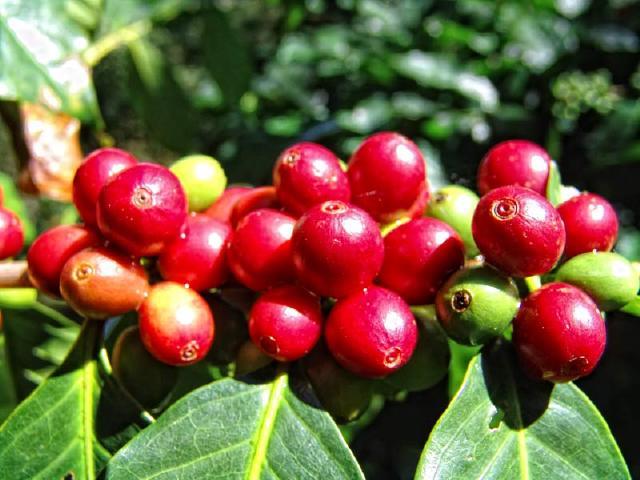
Caturra is a natural mutation of Bourbon that was originally identified in Brazil.
One of its most important characteristics is its compact plant structure, which makes it easier to cultivate at relatively high planting densities.
Caturra has become an important coffee variety throughout Latin America and other coffee-growing regions.
In the cup, Caturra can show a wide range of characteristics depending on origin and processing, including:
-
Bright acidity
-
Fruity flavors
-
Sweetness
-
Medium body
-
Clean finish
Caturra is also an excellent example of why variety alone cannot determine flavor. A Caturra coffee grown at high altitude and processed carefully may taste very different from a Caturra coffee produced in another environment.
6. Catimor Coffee
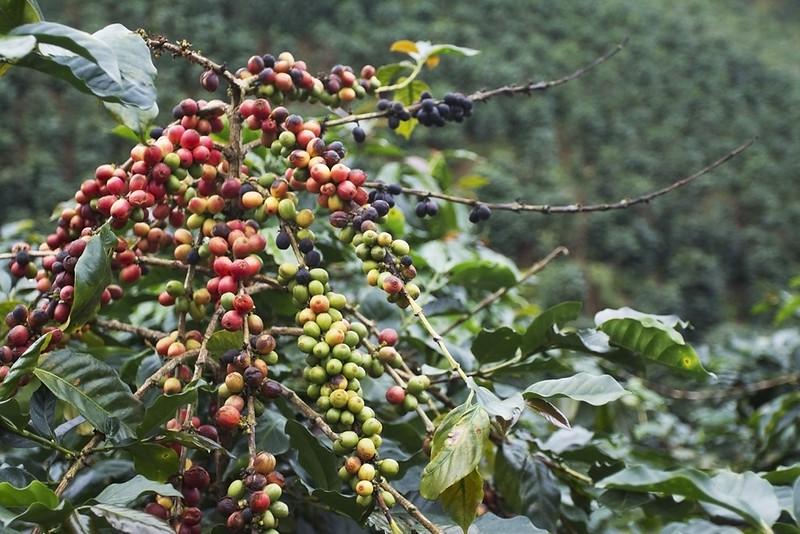
Catimor is different from Typica, Bourbon, and Caturra because it is a group of coffee plants resulting from breeding between Arabica and Robusta-related genetics.
Catimor was developed with an important goal: improving resistance to coffee diseases, particularly coffee leaf rust.
Because of its agricultural advantages, Catimor has become widely cultivated in several coffee-producing countries, including Vietnam.
Catimor can offer:
-
Good productivity
-
Strong disease resistance
-
Adaptability to different growing conditions
-
Consistent production
Its cup profile can vary considerably depending on the specific genetic line, growing environment, harvesting, processing, and roasting.
High-quality Catimor grown and processed carefully can produce a surprisingly clean and sweet cup.
This is an important reminder that a coffee variety should not be judged by its name alone. Farming and post-harvest practices can have a major impact on quality.
7. Moka Coffee
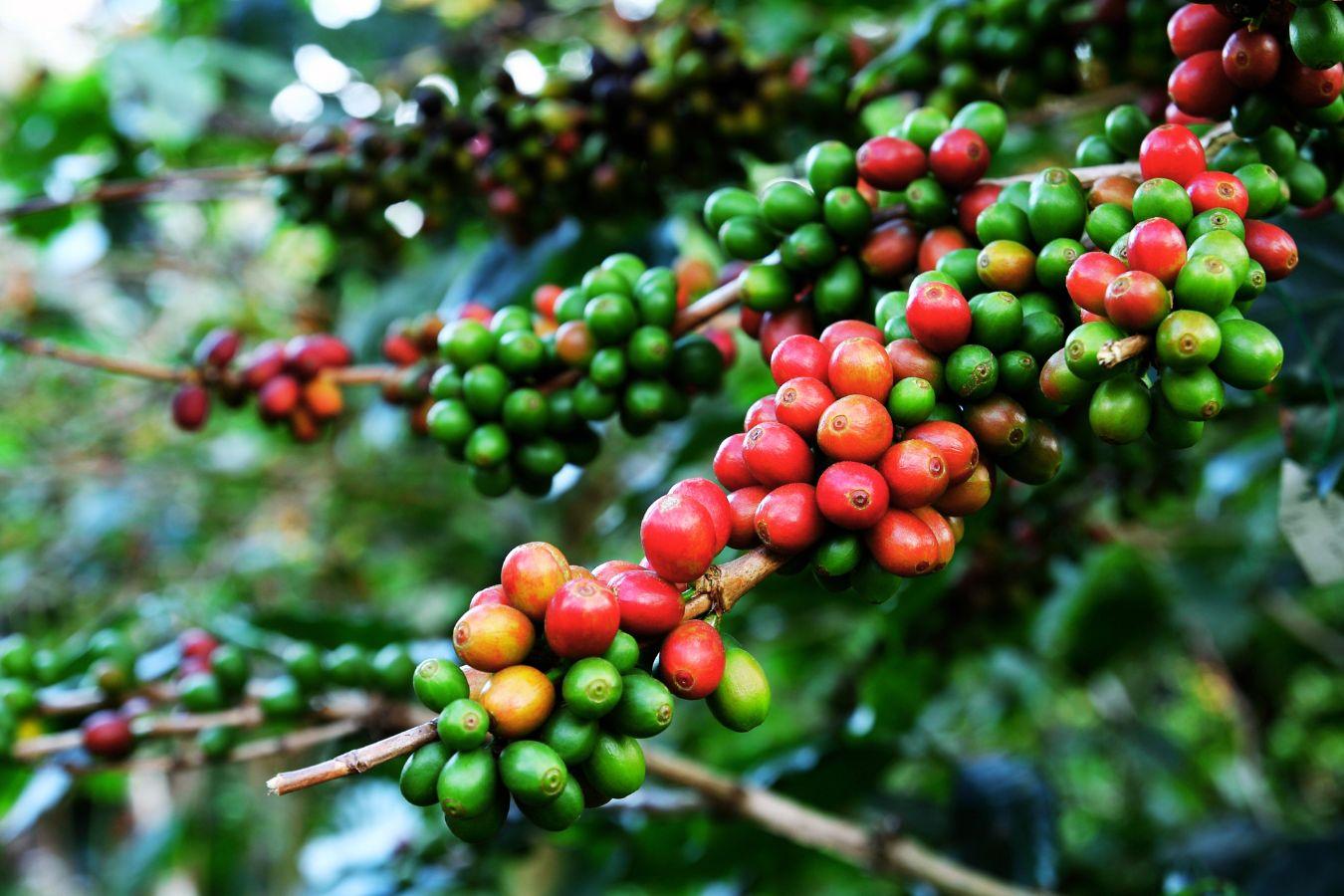
Moka is a name commonly associated with certain traditional Arabica coffee types cultivated in Vietnam, particularly in highland coffee-growing areas.
Moka coffee is often valued for its distinctive aroma and relatively delicate cup profile.
Depending on the coffee and processing method, Moka can show:
-
Floral aromas
-
Fruity notes
-
Gentle acidity
-
Delicate sweetness
-
Elegant finish
Because Moka production can be limited compared with more common commercial varieties, it is often considered a more distinctive coffee for people interested in exploring unusual Vietnamese Arabica.
At Cau Dat, Moka is part of our selection of specialty-oriented coffee varieties.
8. How Does Coffee Variety Affect Flavor?
So, does the variety determine what your coffee will taste like?
Yes — but not by itself.
Genetics influence the plant's potential, but the final cup is the result of many factors working together.
A simple way to understand this is:
Variety + Terroir + Processing + Roasting = Cup Character
For example, two Bourbon coffees may have very different flavor profiles because they were grown at different altitudes or processed differently.
One may be bright and floral, while another may be sweeter and fuller-bodied.
This is why professional coffee buyers and roasters consider much more than variety when evaluating green coffee.
9. Why Can the Same Variety Taste Different in Different Regions?
Imagine growing the same variety in two different countries.
The plants may have the same genetic background, but they experience different:
-
Altitudes
-
Temperatures
-
Rainfall
-
Soil composition
-
Sunlight
-
Harvest seasons
-
Processing methods
All of these factors can influence the coffee.
This concept is often described as terroir.
Cau Dat is a good example.
The highland environment around Cau Dat, combined with its elevation and climate, provides favorable conditions for growing Arabica coffee.
As a result, varieties such as Typica, Bourbon, and other Arabica cultivars can develop distinctive characteristics when carefully cultivated and processed.
10. Vietnamese Coffee Varieties & Cau Dat
Vietnam is internationally known for Robusta production, but the country's highland regions are also home to important Arabica-growing areas.
Cau Dat, Da Lat is one of Vietnam's historic Arabica coffee-growing regions.
The area's high elevation, cool climate, and agricultural traditions have helped create an environment suitable for Arabica cultivation.
At Cau Dat Bean, we work with different coffee varieties and grades, including:
-
Typica
-
Yellow Bourbon
-
Catimor
-
Moka
-
Other Vietnamese Arabica selections
Each variety offers something different.
Typica is appreciated for its traditional Arabica character and elegant cup potential.
Yellow Bourbon is valued for sweetness, aroma, and complexity.
Catimor offers strong agricultural characteristics and can produce excellent coffee when grown and processed carefully.
Moka is appreciated for its distinctive and delicate character.
For coffee roasters, importers, cafés, and specialty coffee buyers, exploring different Vietnamese coffee varieties is an opportunity to discover the diversity of coffee from Vietnam beyond traditional Robusta.
11. Variety Is Only the Beginning
When evaluating green coffee, variety is an important starting point — but it is never the whole story.
A coffee's final quality can also depend on:
Altitude → Climate → Soil → Harvesting → Processing → Drying → Storage → Roasting
This is why a professional coffee evaluation should consider the complete production journey.
At Cau Dat Bean, we believe that understanding the origin and variety of coffee helps buyers make better decisions and helps coffee lovers appreciate what is inside every cup.
12. Frequently Asked Questions About Coffee Varieties
What is the most common Arabica coffee variety?
There is no single variety that dominates every coffee-growing region. Typica and Bourbon are among the most historically important Arabica varieties, while many modern cultivated varieties are also widely grown.
Is Bourbon better than Catimor?
Not necessarily.
Bourbon and Catimor have different genetic backgrounds and agricultural characteristics. Cup quality depends on many factors, including growing conditions, harvesting, processing, and roasting.
Is Typica a specialty coffee variety?
Typica is widely recognized as an important traditional Arabica variety with strong specialty coffee potential, particularly when grown and processed under suitable conditions.
What is Yellow Bourbon coffee?
Yellow Bourbon is a naturally occurring color mutation of the Bourbon Arabica variety. It is known for its potential for sweetness, aroma, and complexity.
Is Catimor Arabica or Robusta?
Catimor belongs to Arabica breeding lines that incorporate Robusta-related genetics, particularly to improve resistance to coffee leaf rust and other agricultural challenges.
What is Moka coffee?
Moka is a name used for distinctive traditional Arabica coffee types cultivated in Vietnam and other regions. Vietnamese Moka is often associated with delicate aromas and a distinctive cup profile.
Does coffee variety affect flavor?
Yes. Variety influences the genetic potential of the plant and can contribute to differences in sweetness, acidity, aroma, body, and overall cup character. However, environment and processing are equally important.
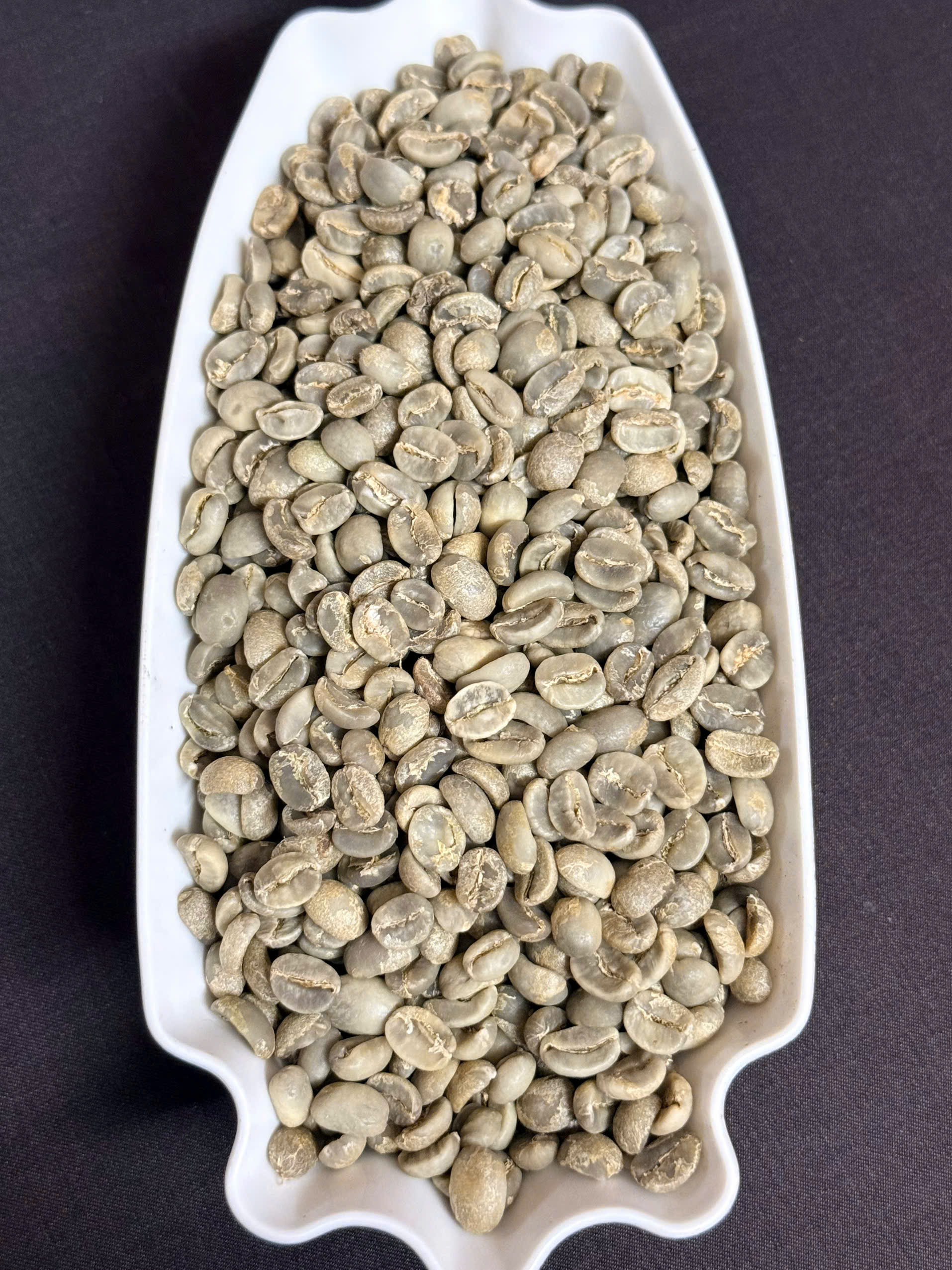
Explore Vietnamese Coffee Varieties with Cau Dat Bean
From traditional Typica and sweet Yellow Bourbon to adaptable Catimor and distinctive Moka, Vietnamese coffee offers a fascinating range of varieties for coffee lovers, roasters, cafés, and green coffee buyers.
If you would like to learn more about Vietnamese Arabica or explore our available coffee varieties, visit us at:
Cau Dat Bean Co., Ltd.
📍 82B Truong Cong Dinh, Da Lat, Vietnam
📞 0926 915 849
Discover the varieties, origins, and flavors behind Vietnamese coffee — one cup at a time.
Related Coffee Guides
Coming soon:
-
Typica Coffee: Origin, Flavor Profile & Characteristics
-
Yellow Bourbon Coffee: Why Is It Special?
-
Catimor Coffee: Characteristics, Flavor & Cultivation
-
Moka Coffee from Vietnam: A Guide to This Distinctive Arabica Variety
-
Arabica vs. Robusta: What's the Difference?
These articles can be internally linked back to this guide to create a stronger topic cluster around Vietnamese coffee varieties.


 Group4, Cau Dat Village, Xuan Truong commune, Da Lat City, Lam Dong Province, Vietnam
 +84 783 472 234
 caudatbean@gmail.com
  www.caudatbean.com