
Coffee Roast Date vs. Expiry Date: How to Choose Fresh Coffee
When buying coffee, many people look at the expiry date to decide whether a product is fresh. However, there is another date that coffee lovers and professional buyers should pay close attention to: the roast date.
Unlike many packaged food products, roasted coffee continues to change after it leaves the roasting machine. Its aroma gradually develops and fades, while carbon dioxide escapes from the beans over time.
Understanding the difference between a roast date and an expiry date can help you choose better coffee, manage inventory, and enjoy a more consistent brewing experience.
In this guide, Cầu Đất Bean explains what these dates mean, why roast date matters, and what to check when buying roasted coffee.
1. What Is a Coffee Roast Date?
The roast date is the day the green coffee beans were roasted.
During roasting, heat transforms the physical and chemical structure of coffee beans, creating the aromas, flavors, and colors associated with roasted coffee.
After roasting, the beans continue to release carbon dioxide, a natural process known as degassing.
The roast date helps buyers understand how long the coffee has been resting since roasting. It provides useful information about the product's freshness and helps customers decide when to brew it.
For coffee shops, roasters, and wholesale buyers, knowing the roast date is particularly important when managing stock and maintaining consistent drink quality.
2. What Is the Expiry Date?
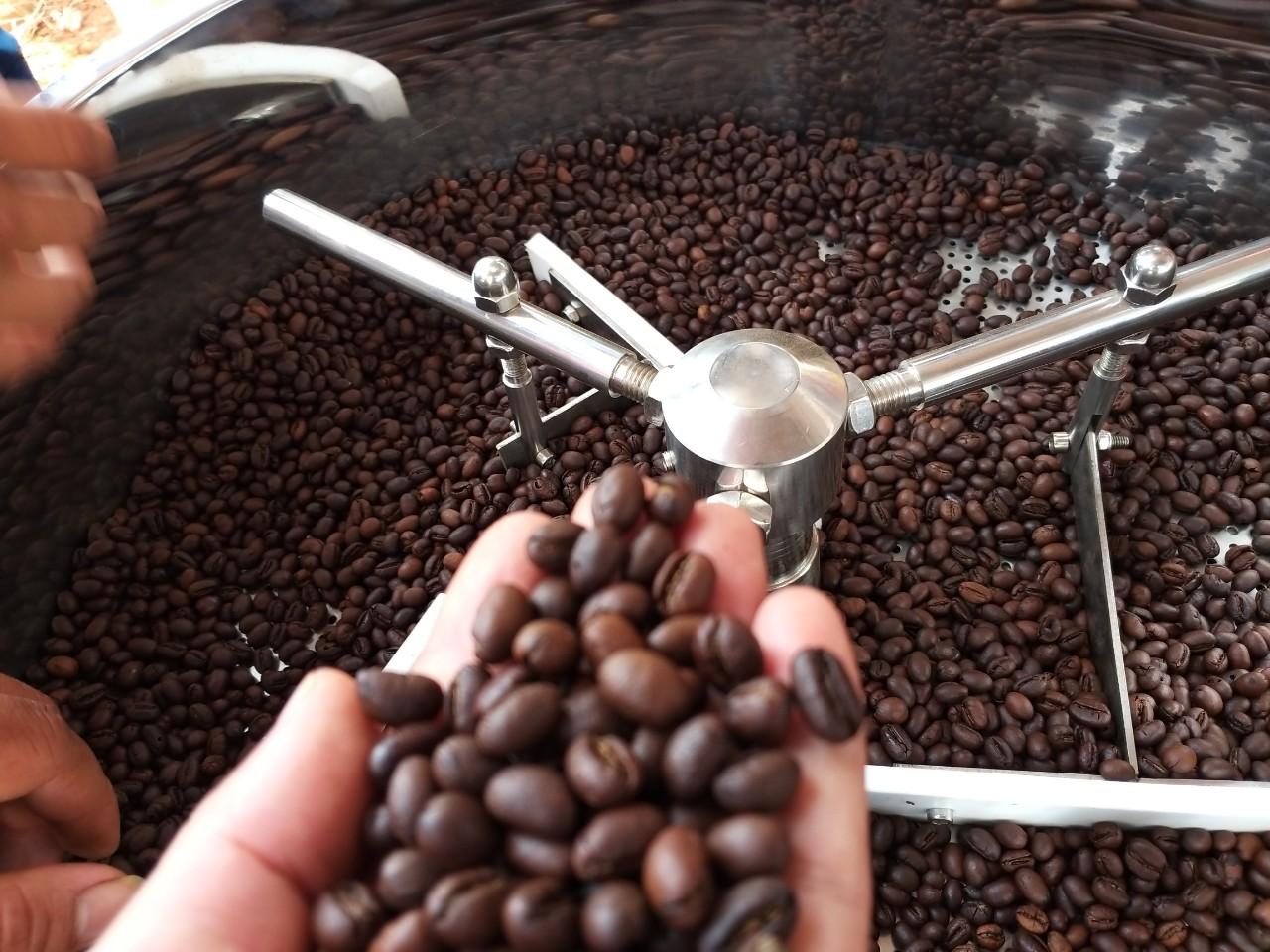
The expiry date, or best-before date depending on the product labeling and applicable regulations, indicates a time limit associated with the product's intended quality or usability.
It is not the same as the roast date.
For example, a coffee bag may have:
-
Roast date: November 1, 2026.
-
Best-before date: November 1, 2027.
This information tells you when the coffee was roasted and the date indicated by the manufacturer for its shelf life.
However, a coffee bag that has not reached its best-before date is not necessarily at its peak flavor.
Coffee can gradually lose its aroma and develop less desirable flavor characteristics during storage, even while it remains within its stated shelf life.
3. Why Does Coffee Change After Roasting?
Roasting creates hundreds of aroma compounds that contribute to coffee's flavor.
However, these compounds do not remain unchanged forever.
There are three important processes to understand.
Degassing
Freshly roasted coffee contains carbon dioxide produced during roasting.
After roasting, this gas gradually escapes from the beans. This process is called degassing.
Some degassing is normal and important. However, coffee that is too freshly roasted may release excessive gas during brewing, affecting extraction consistency.
Aroma Loss
Coffee's aromatic compounds gradually dissipate during storage.
As time passes, the coffee may lose some of its original fragrance and flavor complexity.
Oxidation
When coffee is exposed to oxygen, chemical reactions can affect its aroma and flavor.
Over time, this may result in a flatter, less vibrant cup.
According to the Specialty Coffee Association, degassing, aroma loss, and oxidation are important factors in understanding roasted coffee freshness.
4. How Long Should You Wait Before Brewing Coffee?
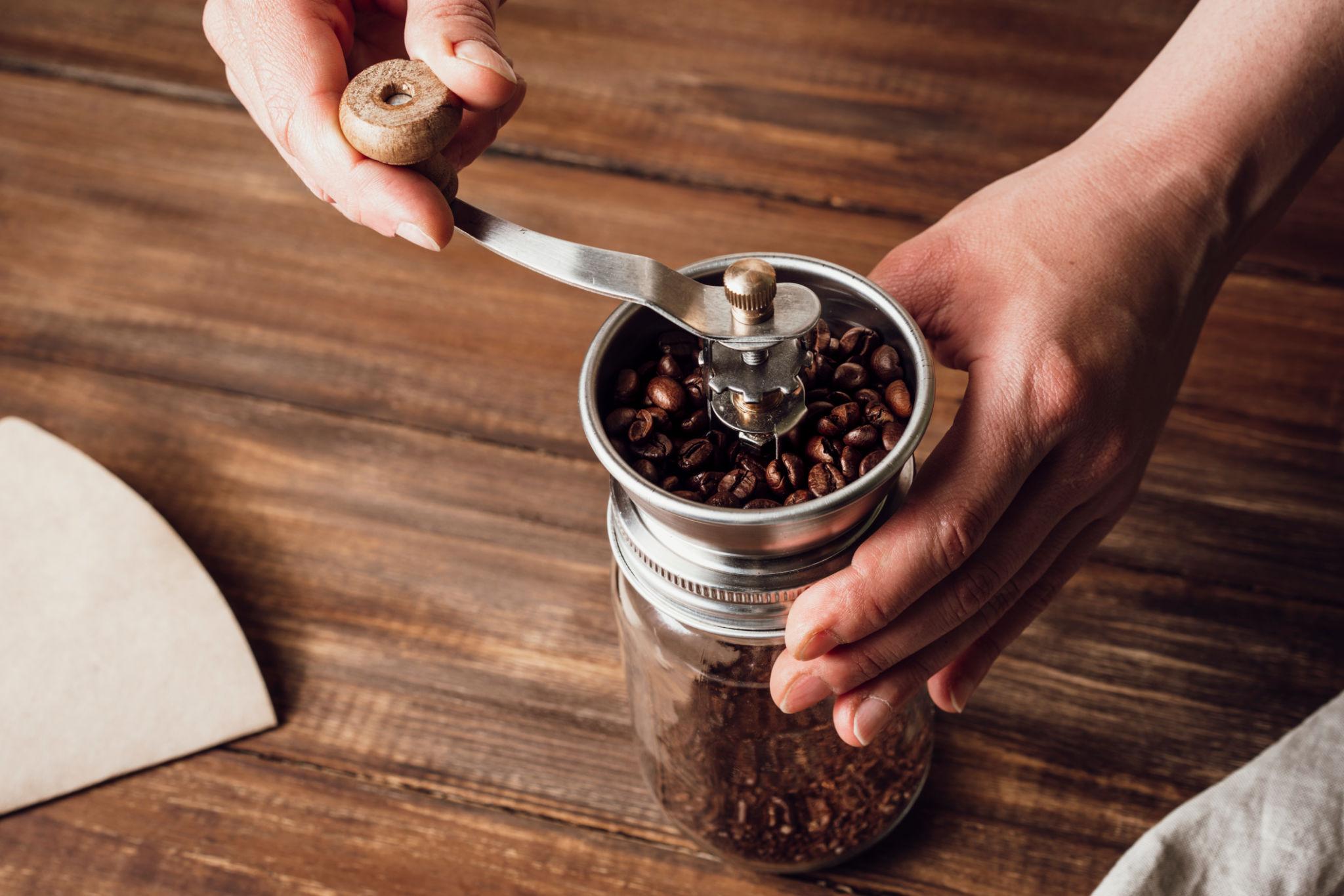
One common question is whether coffee should be brewed immediately after roasting.
The answer depends on the coffee, roast level, brewing method, and personal preference.
Freshly roasted coffee often benefits from a resting period that allows some carbon dioxide to escape.
For example:
-
Espresso: May benefit from additional resting time to achieve more consistent extraction.
-
Pour-over: Can be brewed after an appropriate resting period, depending on the coffee and roast profile.
-
Vietnamese phin: Brewing results can also change as the coffee rests and releases gas.
There is no single resting period that works for every coffee.
A practical approach is to follow the roaster's brewing recommendations and experiment with different resting periods to find the flavor profile you prefer.
The important point is that freshly roasted does not always mean ready to brew immediately.
5. How to Identify Freshly Roasted Coffee
When purchasing roasted coffee, consider several factors rather than relying on the expiry date alone.
Check the Roast Date
Look for a clearly printed roast date on the packaging.
This allows you to understand when the coffee was produced and compare different batches.
Check the Packaging
Coffee packaging should help protect the beans from oxygen, moisture, light, and other environmental factors.
For whole-bean roasted coffee, bags with a one-way degassing valve are commonly used.
The valve allows excess gas to escape while helping limit air from entering through the valve.
Check the Aroma
When opening a coffee bag, pay attention to its fragrance.
Depending on the coffee's origin, processing method, and roast profile, you may notice chocolate, nuts, caramel, fruit, or floral notes.
Aroma is a useful sensory indicator, although it should not be the only way to assess coffee quality.
Check the Storage Conditions
Even good coffee can lose quality faster when stored improperly.
Avoid keeping coffee in places exposed to direct sunlight, excessive heat, moisture, or frequent air exposure.
6. Whole Beans vs. Ground Coffee: Which Stays Fresh Longer?
If you want to preserve coffee aroma, whole beans are generally a better choice than pre-ground coffee.
Grinding breaks the beans into smaller particles and exposes much more surface area to oxygen.
This accelerates the loss of carbon dioxide and aromatic compounds.
Here is a simple comparison:
| Whole-bean coffee | Ground coffee |
|---|---|
| Retains its original structure | Has a larger exposed surface area |
| Releases gas gradually | Releases gas more quickly |
| Allows grinding just before brewing | Convenient for quick preparation |
| Generally preserves aroma better during storage | Generally loses aroma faster |
For the best brewing experience, purchase whole beans when possible and grind only the amount needed for each brewing session.
For cafés and businesses, the choice should also consider equipment, preparation speed, production volume, and customer expectations.
7. How to Store Roasted Coffee Properly
Proper storage helps preserve coffee quality for longer.
Follow these practical recommendations:
Keep Coffee in an Airtight Package
After opening a bag, close it securely to reduce unnecessary exposure to oxygen.
If the original package has a reliable resealable closure, use it.
Store Coffee in a Cool, Dry Place
Keep coffee away from direct sunlight, ovens, heat sources, and humid areas.
Avoid Frequent Exposure to Air
Open the package only when necessary and reseal it immediately after use.
Buy According to Your Consumption
Avoid purchasing more coffee than you can reasonably use within your preferred quality window.
For cafés, ordering according to actual sales volume can help reduce long storage periods and unnecessary inventory.
Grind Before Brewing
Grinding coffee just before preparation helps retain more of its aroma compared with grinding large quantities in advance.
8. Why Roast Date Matters for Cafés and Wholesale Buyers
For coffee shops and wholesale customers, the roast date is more than a piece of information printed on a bag.
It can support better purchasing and inventory management.
Better inventory planning
Knowing when coffee was roasted helps businesses organize stock and prioritize older batches when appropriate.
More consistent brewing
Coffee changes as it rests. Tracking roast dates helps baristas understand differences between batches and adjust brewing parameters when necessary.
Better customer experience
Customers increasingly want to understand what they are drinking, including the coffee's origin, processing method, roast profile, and production date.
More transparent sourcing
Clear product information helps build trust between suppliers, cafés, and end customers.
For businesses purchasing coffee in larger quantities, it is also important to discuss production schedules, packaging, storage conditions, and delivery arrangements with the supplier.
9. Questions to Ask Before Buying Roasted Coffee
Before placing an order, consider asking your supplier:
-
What is the roast date of the coffee?
-
What is the recommended resting period before brewing?
-
Is the coffee available as whole beans or ground coffee?
-
What packaging is used to protect the coffee?
-
What are the recommended storage conditions?
-
Can the supplier maintain consistent quality across different batches?
These questions can help you evaluate a coffee supplier beyond the purchase price.
Conclusion: Look Beyond the Expiry Date
The expiry date tells you about the product's stated shelf life, but the roast date gives you a clearer picture of when the coffee was produced.
Understanding degassing, aroma loss, storage conditions, and resting time can help you make better decisions when buying and brewing coffee.
Whether you are enjoying coffee at home, operating a café, or purchasing beans for wholesale, paying attention to the roast date is a simple step toward a better coffee experience.
At Cầu Đất Bean, we believe that coffee quality starts with carefully selected beans and continues through every stage of processing, roasting, packaging, and storage.
Discover Vietnamese Coffee with Cầu Đất Bean
Looking for Vietnamese Arabica, Robusta, or coffee blends for your café, roasting business, or wholesale requirements?
Cầu Đất Bean offers coffee from Vietnam's highland growing regions, including Cầu Đất, Đà Lạt.
Contact our team to explore available products, specifications, samples, and wholesale options.
Try before you buy.
CAU DAT BEAN
-
Showroom: 82B Trương Công Định, Phường Xuân Hương, Đà Lạt, Lâm Đồng, Vietnam
-
Phone / WhatsApp: +84 926 915 849
-
Email: caudatbean@gmail.com
-
Website: https://caudatcoffee.com.vn


 Group4, Cau Dat Village, Xuan Truong commune, Da Lat City, Lam Dong Province, Vietnam
 +84 783 472 234
 caudatbean@gmail.com
 www.caudatbean.com