
Coffee Cupping Process: A Beginner’s Guide to Tasting Coffee
Have you ever wondered how coffee professionals compare different coffee beans and identify flavors such as citrus, chocolate, berries, or flowers?
One of the most important methods used in the specialty coffee industry is called coffee cupping.
Coffee cupping is a structured way of tasting coffee that helps professionals evaluate aroma, flavor, acidity, sweetness, body, aftertaste, and overall quality.
It is also a simple and interesting way for coffee lovers to learn more about the coffee they drink.
What Is Coffee Cupping?
Coffee cupping is a standardized coffee tasting method used to evaluate and compare coffee.
Unlike normal coffee brewing, cupping is designed to minimize variables and allow the characteristics of the coffee itself to stand out.
Coffee professionals use cupping to:
-
Evaluate green coffee
-
Compare different origins
-
Assess processing methods
-
Identify flavor characteristics
-
Check roast consistency
-
Monitor coffee quality
-
Select coffees for purchasing or roasting
Cupping can be performed by producers, exporters, green coffee buyers, roasters, baristas, and coffee enthusiasts.
Why Is Coffee Cupping Important?
Coffee can taste very different depending on its origin, variety, altitude, processing method, roast level, and brewing technique.
Cupping provides a consistent way to compare coffees under similar conditions.
For example, a coffee from Cau Dat may have a different acidity and aroma profile from a coffee grown in another region. By cupping both coffees using the same process, tasters can better understand those differences.
Cupping is therefore an important tool for quality control and coffee selection.
What Do You Need for Coffee Cupping?
You do not need expensive equipment to start.
A basic cupping setup includes:
-
Fresh coffee beans
-
A coffee grinder
-
Cupping bowls or small cups
-
Hot water
-
A spoon
-
A scale
-
A timer
-
A notebook or cupping form
Using the same equipment and recipe for every coffee helps make comparisons more consistent.
Step 1: Select the Coffee
The first step is choosing the coffees you want to compare.
You might compare:
-
Different origins
-
Different coffee varieties
-
Washed vs. natural processing
-
Light vs. medium roast
-
Different harvest lots
For beginners, comparing two or three coffees at a time is usually easier than tasting many samples.
Step 2: Grind the Coffee
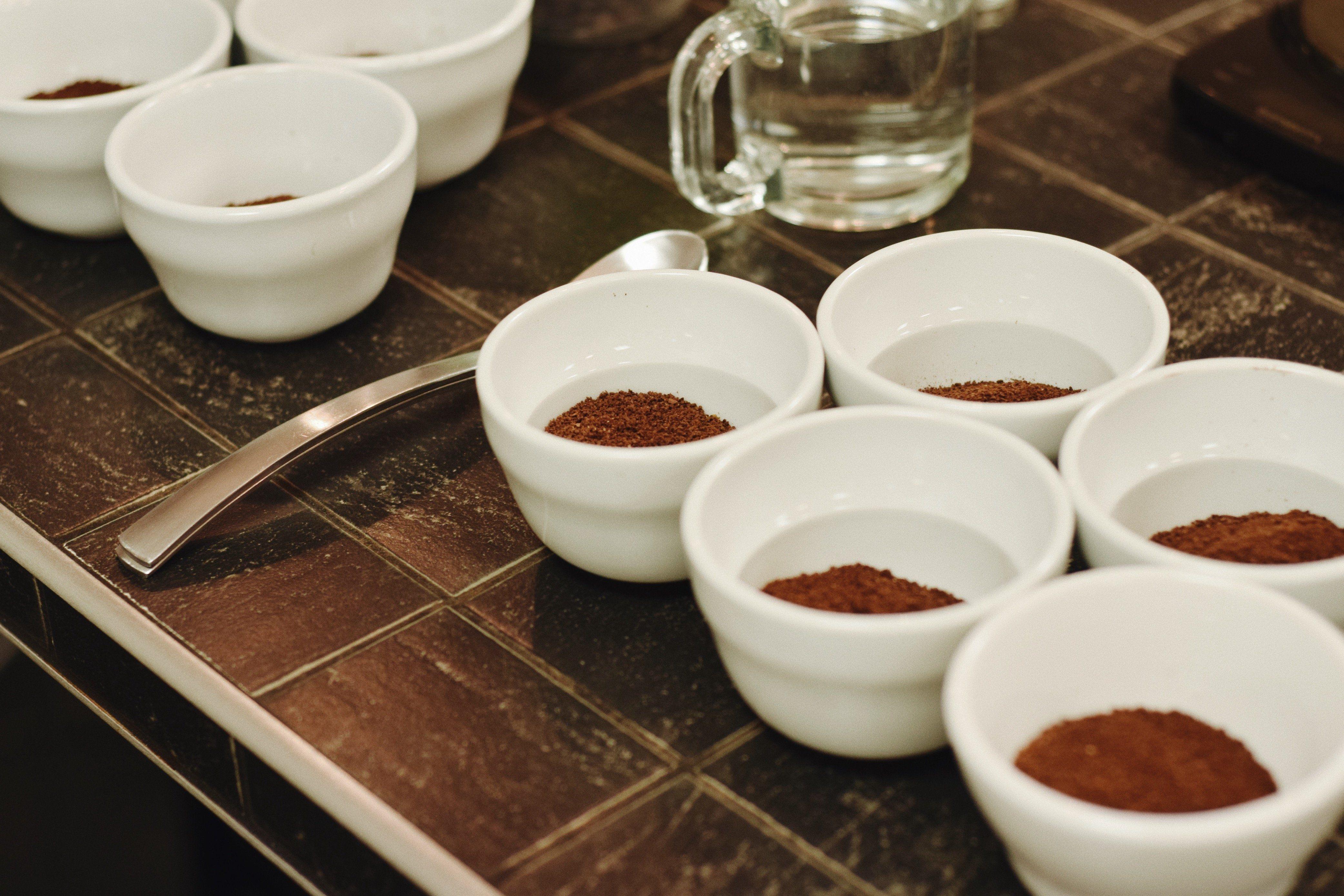
Coffee is ground shortly before cupping.
The grind should be consistent across all samples.
A medium to medium-coarse grind is commonly used for cupping.
Once the coffee is ground, smell the dry grounds.
This is known as evaluating the dry fragrance.
You may notice aromas such as:
-
Chocolate
-
Nuts
-
Citrus
-
Berries
-
Flowers
-
Caramel
-
Spices
Do not worry if you cannot identify specific aromas immediately. Developing your sense of smell takes practice.
Step 3: Smell the Dry Coffee
Before adding water, take a moment to smell the freshly ground coffee.
This first impression can reveal important characteristics.
Try to describe the aroma using simple words.
For example:
Sweet, floral, fruity, nutty, chocolatey, spicy, or earthy.
There are no points for guessing the “correct” word. The goal is to develop your sensory awareness.
Step 4: Add Hot Water
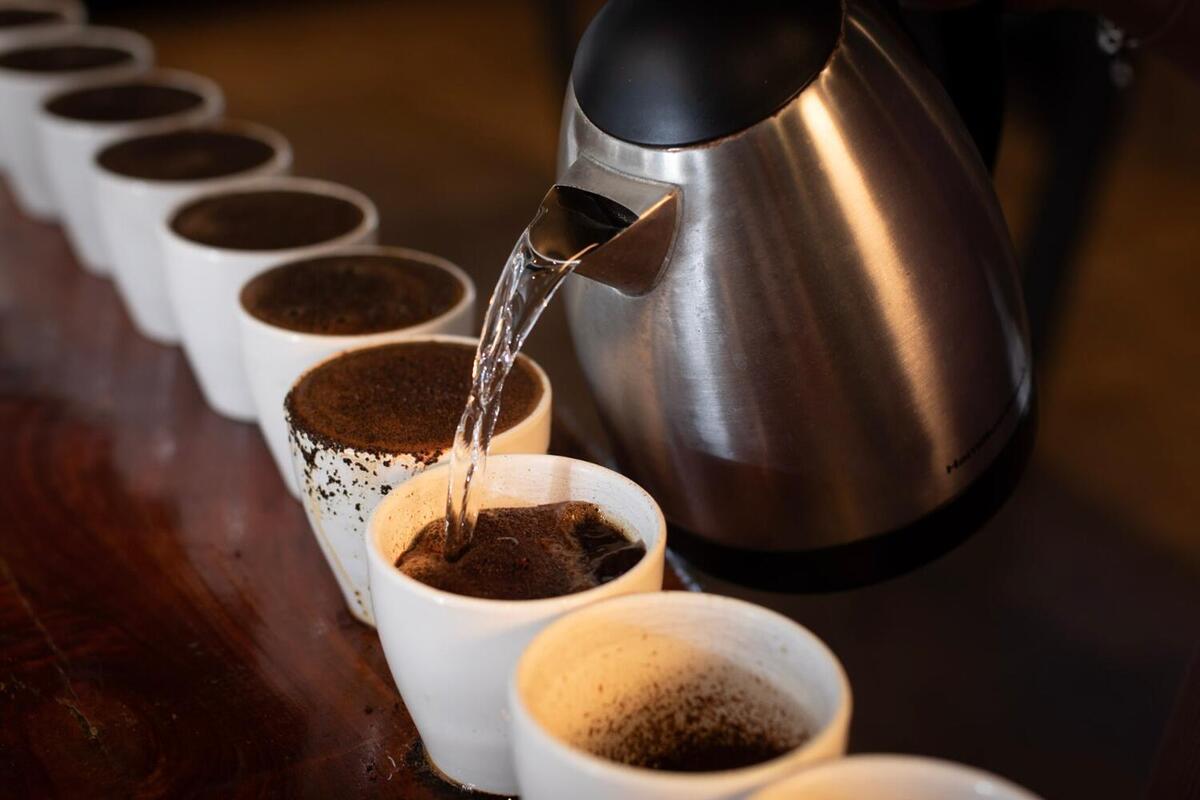
Pour hot water evenly over the coffee grounds.
For a basic cupping session, water around 90–96°C (194–205°F) can be used as a starting point.
Make sure each sample receives approximately the same amount of water.
The coffee grounds will rise to the surface and form a layer known as the crust.
Step 5: Evaluate the Wet Aroma
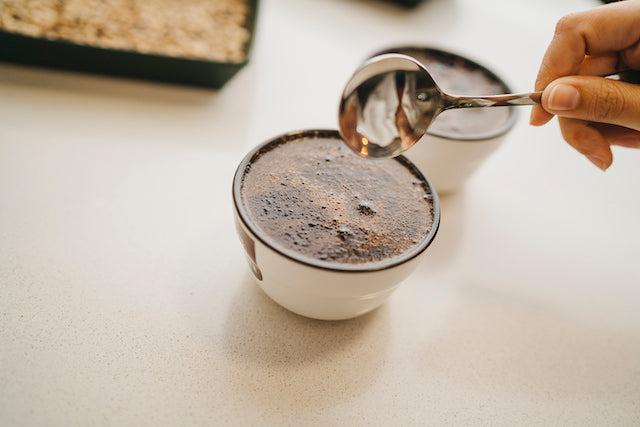
As the coffee begins to brew, the aroma changes.
After several minutes, the crust can be gently broken with a spoon.
This releases a strong burst of aroma.
Lean over the cup and smell carefully as you break the crust.
This is one of the most enjoyable moments of a cupping session because the coffee's aroma can become much more intense.
Step 6: Break the Crust and Clean the Surface
After breaking the crust, remove floating grounds and foam from the surface.
This allows you to taste the coffee more clearly.
The coffee is then allowed to cool.
Unlike regular coffee drinking, cupping usually involves tasting the coffee at different temperatures.
As the coffee cools, different characteristics can become easier to detect.
Step 7: Taste the Coffee
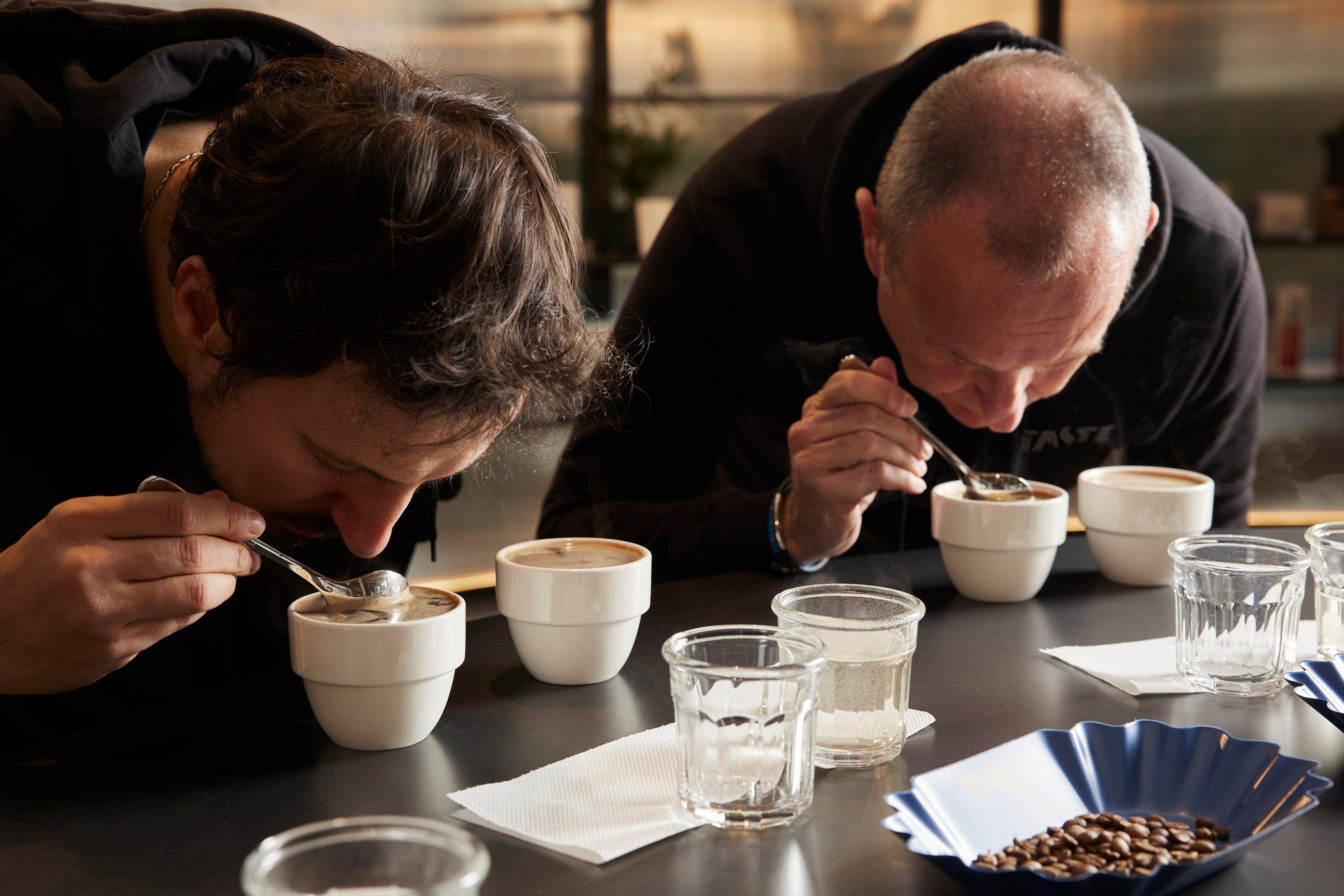
Now comes the most important part.
Use a cupping spoon to take a small amount of coffee and slurp it into your mouth.
Slurping may sound unusual, but it helps spread the coffee across your palate and allows aromatic compounds to reach your nose.
Pay attention to:
-
Sweetness
-
Acidity
-
Flavor
-
Body
-
Aftertaste
-
Balance
Try to compare the coffee with the other samples rather than deciding whether you simply “like” or “dislike” it.
What Do Coffee Tasters Evaluate?
Aroma
Aroma describes what you smell in the coffee.
It can include floral, fruity, nutty, spicy, sweet, or roasted characteristics.
Flavor
Flavor is the combination of taste and aroma that you experience while drinking the coffee.
A specialty coffee might remind you of citrus, berries, chocolate, caramel, or stone fruit.
Acidity
Acidity contributes brightness and liveliness.
Depending on the coffee, acidity may remind you of lemon, orange, apple, berries, or other fruits.
Good acidity should feel balanced rather than harsh.
Sweetness
Sweetness is an important characteristic in specialty coffee.
It can remind you of caramel, honey, brown sugar, ripe fruit, or chocolate.
Body
Body describes the physical sensation of the coffee in your mouth.
It can feel:
-
Light
-
Medium
-
Full
-
Creamy
-
Silky
-
Heavy
Aftertaste
Aftertaste is the flavor that remains after you swallow or spit out the coffee.
A high-quality coffee can have a pleasant and persistent finish.
How Is Coffee Scored?
Professional coffee evaluation can use structured scoring systems.
Traditionally, specialty coffee has often been evaluated using standardized forms that assign scores to characteristics such as:
-
Fragrance and aroma
-
Flavor
-
Aftertaste
-
Acidity
-
Body
-
Balance
-
Uniformity
-
Clean cup
-
Sweetness
-
Overall impression
The exact scoring system can vary depending on the organization, purpose, and evaluation protocol.
The goal is to create a consistent framework for comparing coffee quality.
Coffee Cupping vs. Regular Coffee Brewing
Cupping is different from making your everyday cup of coffee.
Regular Brewing
You usually brew coffee specifically to drink and enjoy.
Variables such as grind size, brewing time, water temperature, and recipe can be adjusted to improve the final cup.
Coffee Cupping
Cupping is designed primarily for evaluation and comparison.
The process uses consistent conditions so that differences between coffees become easier to identify.
Neither method is better. They simply serve different purposes.
Can You Cup Coffee at Home?
Absolutely.
You can create a simple home cupping session using basic kitchen equipment.
Choose two or three different coffees and prepare them using the same:
-
Coffee dose
-
Grind size
-
Water temperature
-
Water ratio
-
Brewing time
Taste them side by side and write down your observations.
Start with broad descriptions such as:
sweet, bright, fruity, nutty, chocolatey, light, full, clean, or bitter.
As you practice, your vocabulary and sensory awareness will gradually improve.
Why Cupping Matters for Specialty Coffee
Cupping connects the entire coffee journey.
A coffee begins with a variety and growing environment. It is then harvested, processed, dried, stored, roasted, and finally tasted.
Cupping allows producers and coffee professionals to understand how those decisions affect the final cup.
For specialty coffee, this connection between origin, processing, roasting, and flavor is essential.
Discover the Flavors of Vietnamese Coffee
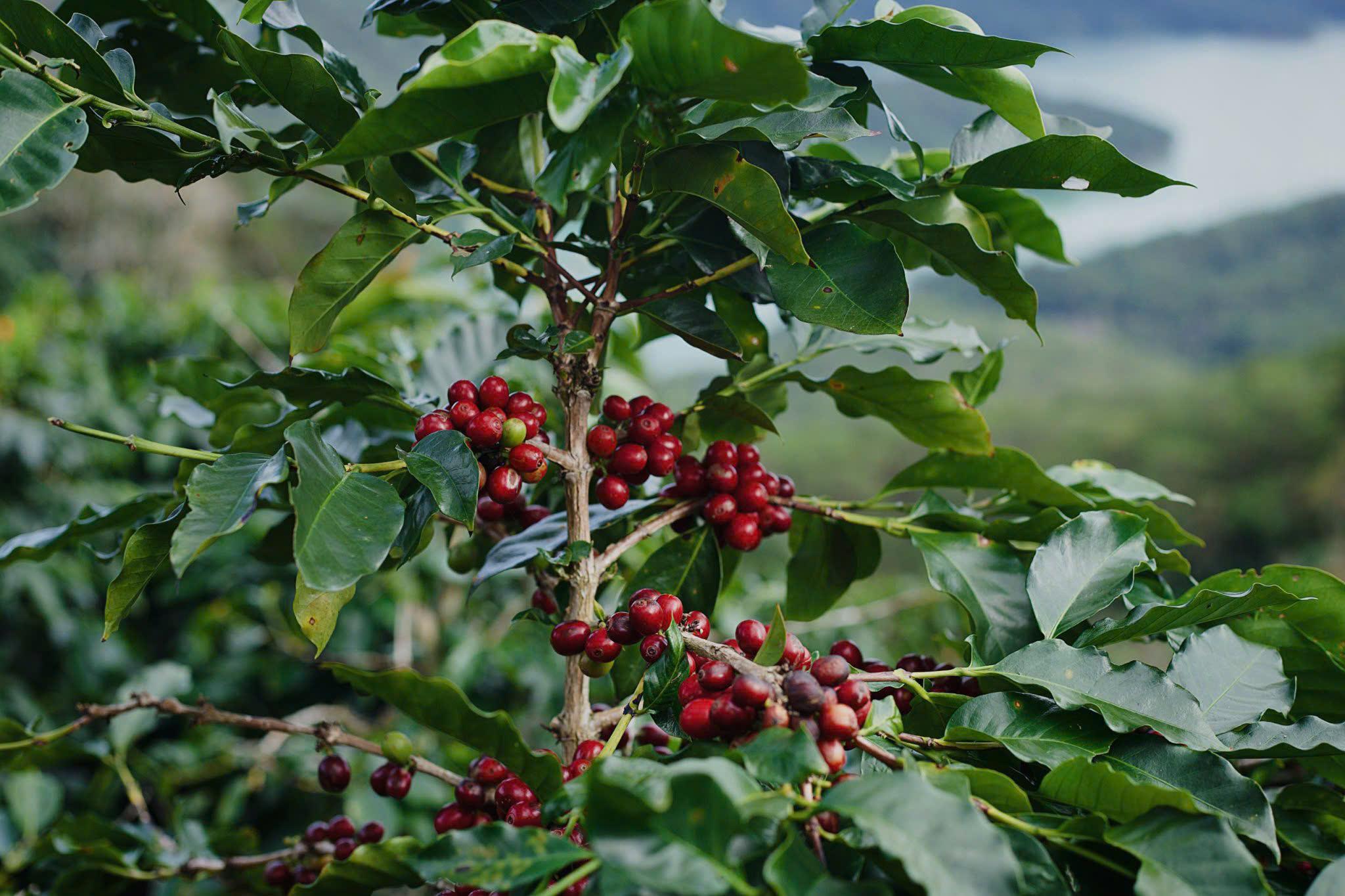
Vietnam is famous for its coffee production, but the country's coffee landscape is much more diverse than many people realize.
Highland regions such as Da Lat and Cau Dat are known for Arabica production, while other areas are important for Robusta.
Through cupping, the differences between Vietnamese coffee origins, varieties, and processing methods become easier to appreciate.
At Cau Dat Bean, we focus on carefully selected Vietnamese coffee from the highlands of Da Lat, including Arabica from the Cau Dat growing region.
We believe tasting is one of the best ways to understand coffee.
Visit our showroom to explore different coffees and discover the flavors behind Vietnamese coffee.
Cau Dat Bean Showroom
📍 82B Truong Cong Dinh Street, Da Lat, Lam Dong, Vietnam
📞 +84 926 915 849
Final Thoughts
Coffee cupping may look technical at first, but the basic idea is simple:
Taste, compare, and learn.
You do not need to be a professional coffee buyer or Q Grader to enjoy the process.
With practice, you can begin to recognize differences in aroma, acidity, sweetness, body, and aftertaste.
The more coffees you taste, the easier it becomes to understand what makes each coffee unique.
And that is one of the most enjoyable parts of exploring specialty coffee.
Frequently Asked Questions
What is coffee cupping?
Coffee cupping is a structured method of tasting and evaluating coffee. It is widely used to compare coffee quality, origin, processing methods, and flavor characteristics.
Why do coffee professionals cup coffee?
Professionals use cupping to evaluate green coffee, compare samples, monitor quality, assess processing, and make purchasing or roasting decisions.
What temperature is used for coffee cupping?
Around 90–96°C (194–205°F) is a useful starting range for the brewing water. Coffee is then tasted as it cools because different flavors become more noticeable at different temperatures.
Why do people slurp coffee during cupping?
Slurping helps spread the coffee across the palate and allows aromatic compounds to reach the nose, making it easier to evaluate flavor and aroma.
Can I cup coffee at home?
Yes. You can perform a simple cupping session using coffee beans, a grinder, cups, hot water, a spoon, a scale, and a timer.
What should I look for when cupping coffee?
Start by paying attention to aroma, flavor, acidity, sweetness, body, aftertaste, and balance. You can then develop more specific tasting notes with practice.
Is coffee cupping the same as coffee tasting?
They are closely related, but cupping usually refers to a more standardized method designed for systematic evaluation and comparison.


 Group4, Cau Dat Village, Xuan Truong commune, Da Lat City, Lam Dong Province, Vietnam
 +84 783 472 234
 caudatbean@gmail.com
  www.caudatbean.com